Precision-engineered cooling components designed to operate under harsh thermal environments. Fully tested and compliant with Japan industrial quality specifications.
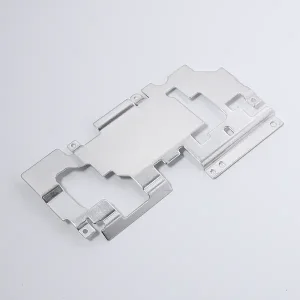
Engineered for structural integration in automotive converter assemblies requiring minimal thermal resistance.
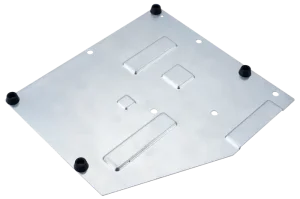
Extruded high-purity aluminum heatsink configuration optimized for 5G network transceiver units.
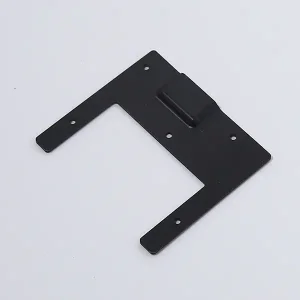
Liquid-cooled channel design machined to micro-tolerances for high-power industrial IGBT modules.
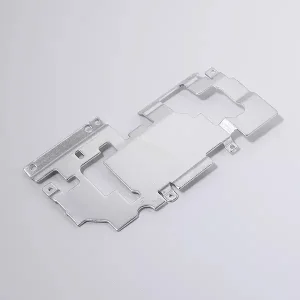
Optimized flow paths and premium alloy construction offering massive thermal dissipation efficiency.
The manufacturing landscape in Japan—renowned for automotive giants like Toyota, Nissan, and Honda, alongside industrial electronics pioneers in Osaka, Kyoto, and Nagoya—is experiencing a monumental shift towards high-voltage electrification and ultra-dense telecommunication layouts. The thermal management of these next-generation setups is no longer just about standard air cooling; it relies heavily on high-precision cooling aluminum plates (liquid cold plates).
Japanese OEMs enforce extremely rigid tolerances (often requiring surface flatness down to 0.05mm) to ensure perfect thermal interface material (TIM) contact, eliminating air pockets that would otherwise lead to localized thermal runaway. Whether it's battery pack cooling plates for passenger EVs, cooling profiles for high-speed railway converters (Shinkansen networks), or server rack liquid cold plates in Tokyo's hyperscale datacenters, the demand for high-performance and lightweight thermal components is soaring.
Technical Insight: Liquid cold plates built with vacuum brazed or Friction Stir Welded (FSW) internal channels offer heat transfer coefficients up to 10 times higher than natural convection fins, making them a necessity for silicon carbide (SiC) power modules.

A leading high-tech enterprise established in 2005, specializing in the engineering, design, and manufacturing of high-integrity electronic connectors, thermal management systems, and radiator components.
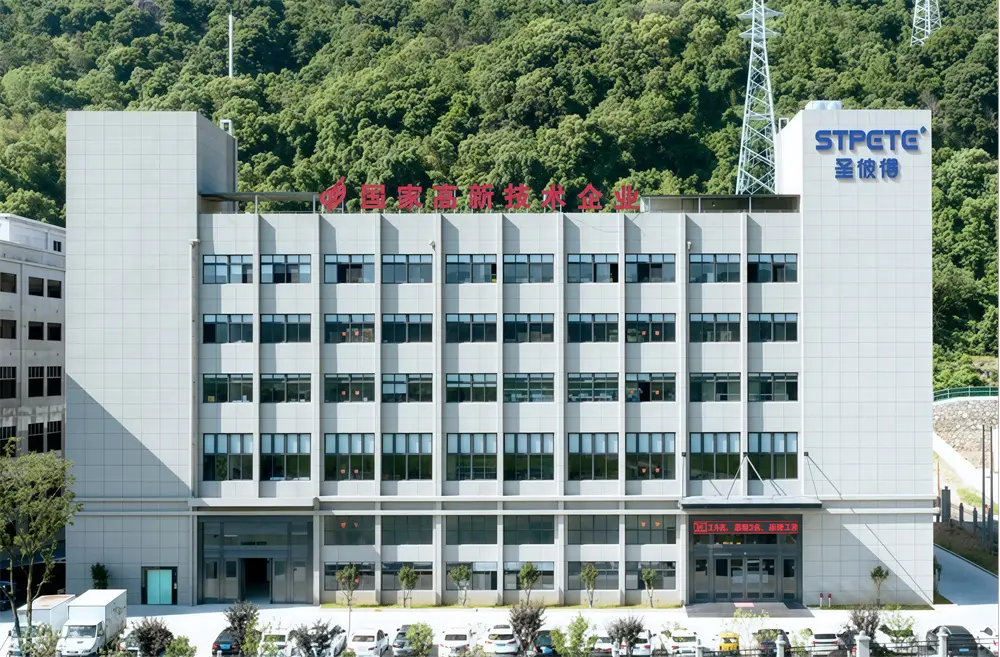
For more than two decades, Wenzhou Stpete Electronics has established an elite standing in both domestic and international markets. We are proud to maintain strategic supply partnerships with elite technological icons such as Huawei and Hisense. Our quality-first mindset is certified under rigorous international standards, including ISO 9001, ISO 14001, and ISO 45001.
Our workshop is fully outfitted with modern industrial infrastructure: high-speed precision punching machines, multi-axis CNC milling centers, automated plastic injection lines, and advanced material-testing labs. This combination of machinery enables us to produce everything from standard RF terminals and networks jacks to highly intricate custom liquid-cooling radiators and multi-pin connector housings with micrometric precision.
Procurement teams in Japan often face a dilemma: choosing domestic Japanese fabricators guarantees exceptional engineering quality, but at the cost of slow lead times, high tooling costs, and limited volume scaling. Conversely, sourcing from non-verified suppliers introduces quality risks. Wenzhou Stpete Electronics bridges this gap by offering a hybridized solution:
By shifting volume manufacturing to our highly automated facility in China while keeping close coordination with Japanese technical standards, our clients realize cost savings of 25–40% without compromising on the quality and performance of their thermal plates.

Over 30 technical R&D personnel drive our innovation. With an annual R&D investment exceeding 15 million RMB, we actively maintain over 21 patents in structural electronic connection and thermal dissipation fields.
Quality is our core asset. From raw materials selection through processing to final inspection, we test every piece for durability, precision, safety, and performance validation.

Leveraging insert molding, high-precision stamping, CNC machining, and automated product assembly. Constant modernization of our production line maintains our competitive scale.
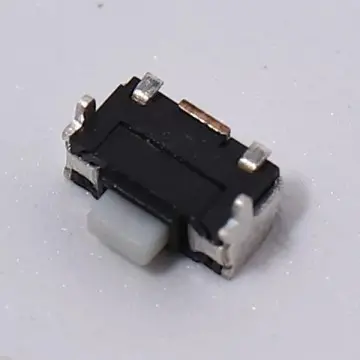
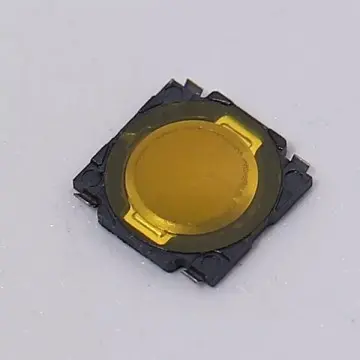
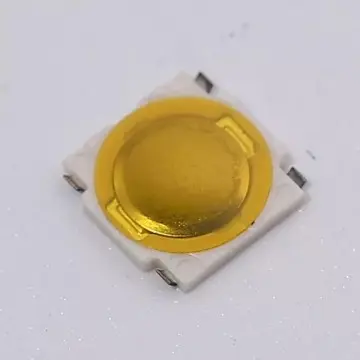
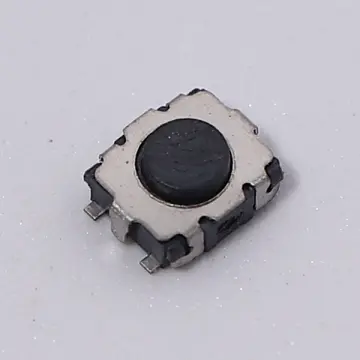
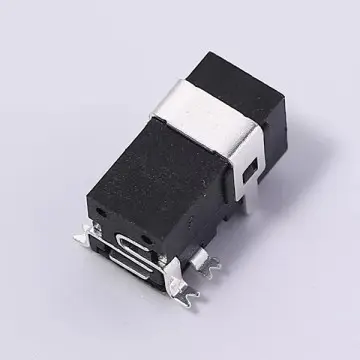
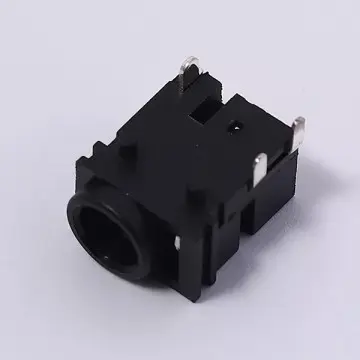
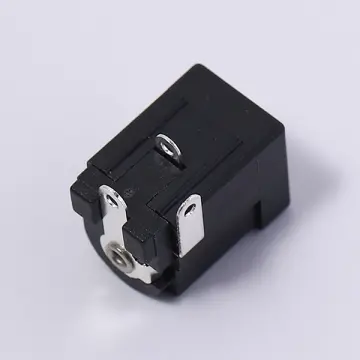
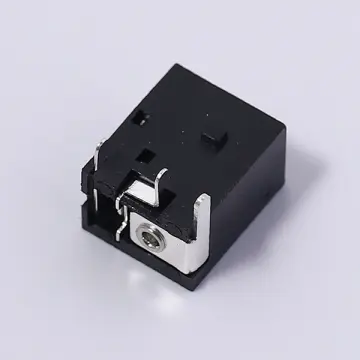
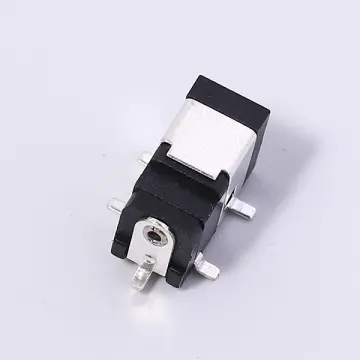
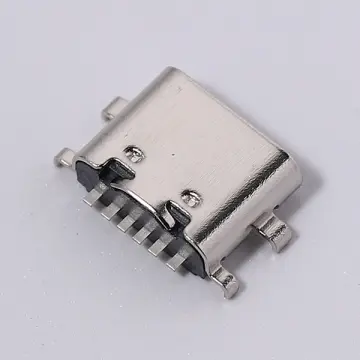
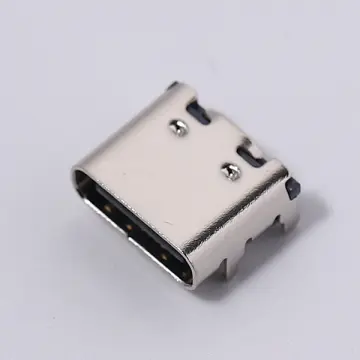
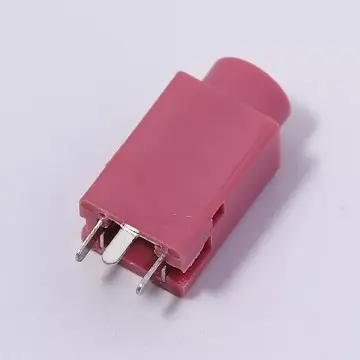
Thermal systems require stable physical and electrical connectivity. Along with our cooling plates, we produce a comprehensive catalog of interface switches, connectors, and power inputs.
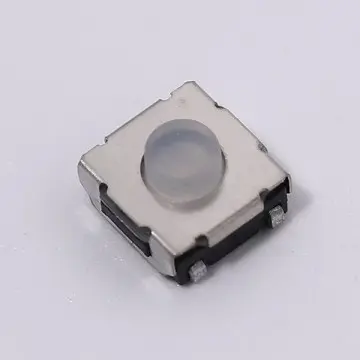
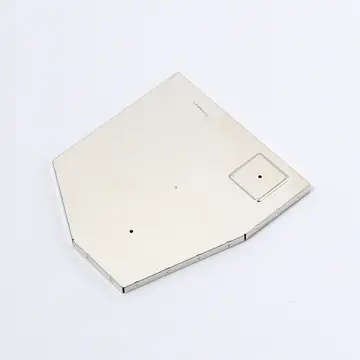
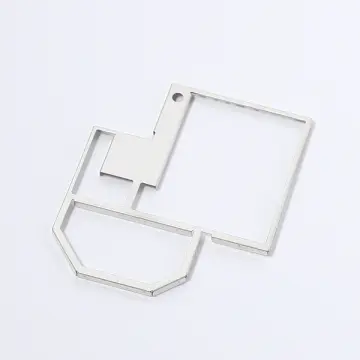
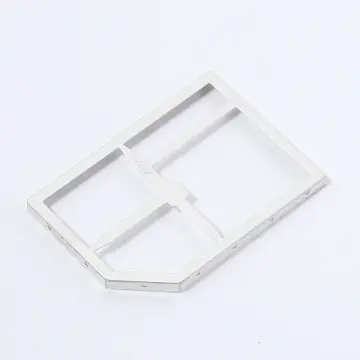
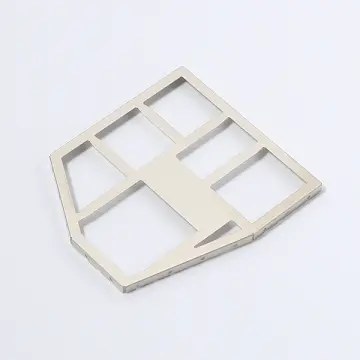
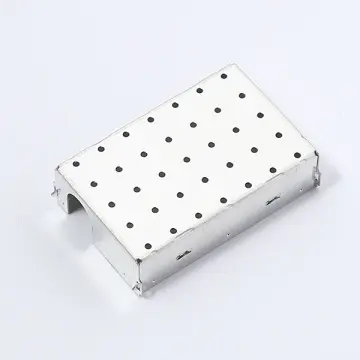
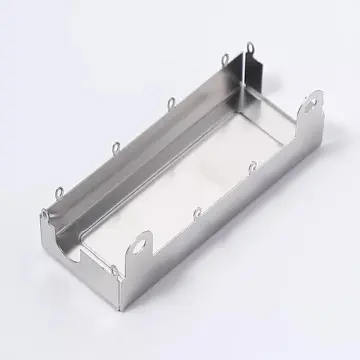
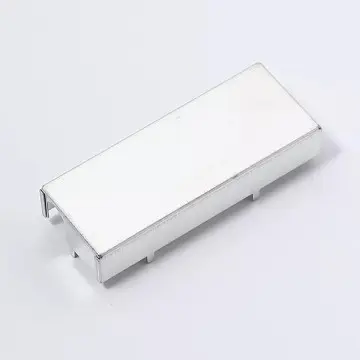
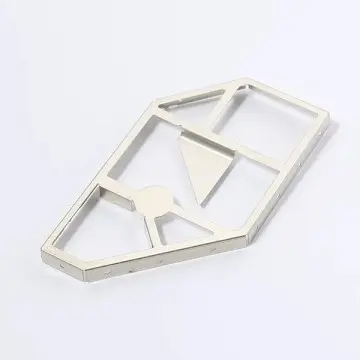
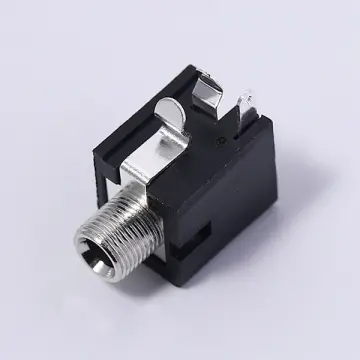
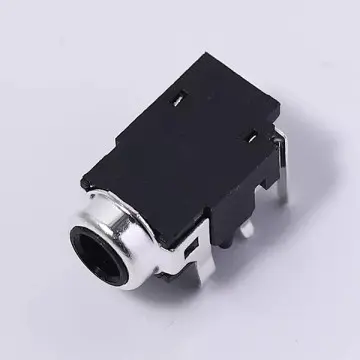
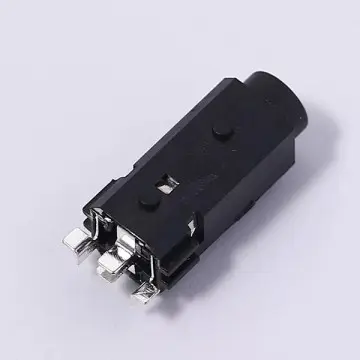
How physical characteristics and geometric channel precision dictate thermal dissipation efficiency in extreme industrial use-cases.
Electric vehicle battery compartments generate massive heat fluxes during rapid charging and heavy deceleration cycles. Aluminum cooling plates, particularly those utilizing 3003-series clad alloys brazed together, are embedded directly beneath the cells. Glycol-water coolant routes heat out of the modules. We produce high-flatness baseplates that interface with power semiconductor packages to minimize contact resistance.
Modern radio heads (RRH) mounted on telecom towers operate in sealed environments without active fans. Heat must transfer efficiently from internal processing chips to the aluminum outer housing. Our high-conductivity extruded profiles and RF network connectors are customized to meet telecom specifications, ensuring long-term IP67 weather-proofing and efficient heat transfer.
High-speed manufacturing plants in Kyoto and Nagoya depend on heavy industrial robots. The servo controllers drive motor amplifiers in close proximity. Heavy duty cooling plates combined with rugged PCB-mount switches protect the electronic integrity from vibration-induced micro-arcs, maintaining uninterrupted automated output.
HPC centers are shifting from traditional air handling units to direct-to-chip liquid cooling systems. A custom-milled copper or aluminum cold plate is clamped directly to the CPU/GPU die. By minimizing thermal path resistance, server racks achieve power usage effectiveness (PUE) ratios below 1.2, reducing long-term energy consumption.
At Wenzhou Stpete Electronics, we firmly believe that technological innovation is fueled by a united workforce. Every summer, our company organizes outdoor team-building challenges to build collaboration, trust, and creative problem-solving skills outside the office environment.
These exercises encourage our engineers, production supervisors, and logistics managers to coordinate smoothly as a team. This collaborative focus translates directly to our customer projects—helping us communicate effectively, resolve complex engineering challenges, and ensure prompt deliveries for our partners across Japan and Europe.
Technical details and material parameters for design engineers and procurement managers.
For liquid cold plates, AA6063 and AA6061 are primary choices for extrusion and CNC milling due to their high thermal conductivity (~200 W/m·K) and robust structural strength. For multi-channel brazed assemblies, AA3003 is preferred due to its superior corrosion resistance and weldability, making it ideal for internal liquid circulation pathways.
We perform 100% leak testing on liquid cold plates. Every module undergoes pressure decay testing or highly sensitive helium mass spectrometer leak detection. We check for micro-voids at joints or welded sections down to leak rates of 1x10^-6 mbar·l/s, ensuring leak-free performance over long operating lifetimes.
Standard options include clear/black anodizing, nickel plating, or chromate conversion coatings (RoHS compliant). Anodizing increases corrosion and scratch resistance, while nickel plating provides electrical conductivity and allows soldering. For EV applications, specialized dielectric coatings are also available to ensure high voltage insulation.
Simple extruded plates can be sampled within 7–10 working days. Complex machined or brazed cold plates involving prototype tooling typically take 15–20 days. Once approved, mass production runs are delivered to Japan ports (such as Tokyo, Yokohama, or Osaka) within 3–4 weeks via ocean freight or 3-5 days via air transport.
Precision-engineered electronic components, connectors, and tactical switches built for compatibility with modern industrial chassis assemblies.
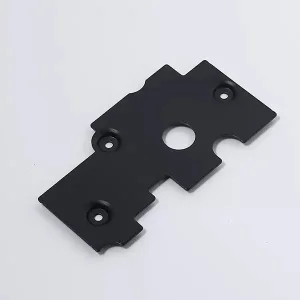
High fin-density extruded profile optimized for structural power supply applications.
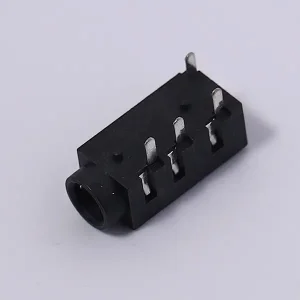
Advanced flow design for active liquid-cooled inverter chassis assemblies.
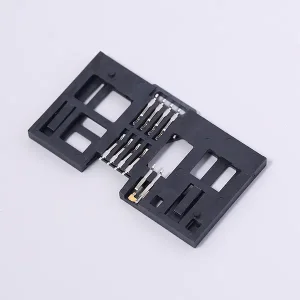
Precision-stamped connector housing designed for robust integration into data modules.
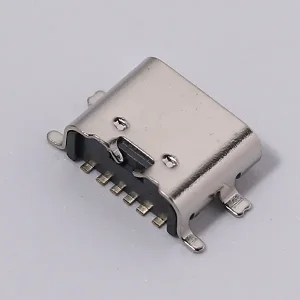
Engineered to withstand elevated temperatures under continuous power loads.
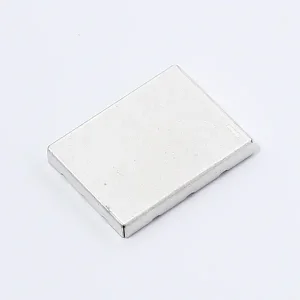
Gold-plated contacts ensure low contact resistance and long lifecycle operation.
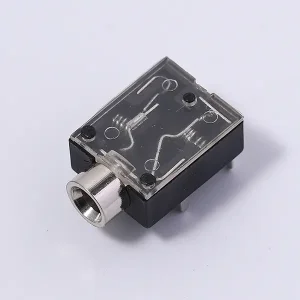
Robust mechanical housing built for clean audio signal feeds in control desks.
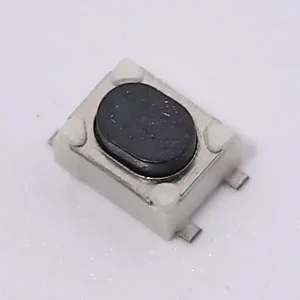
Durable snap-action switch rated for high-cycle industrial automation panels.
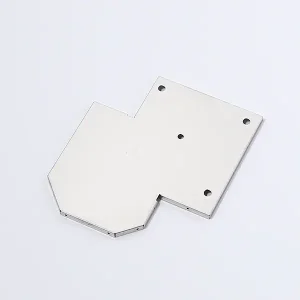
Optimized shielding effectiveness to prevent EMI in complex processing units.
Whether you require custom prototype development or high-volume manufacturing, our thermal design experts are ready to assist. Contact us to receive engineering support and a detailed quotation within 24 hours.
Send Inquiry Now Stpete Electronics