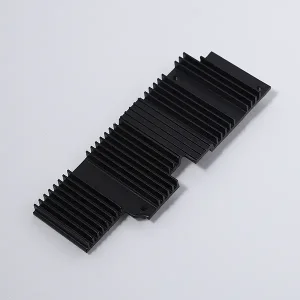
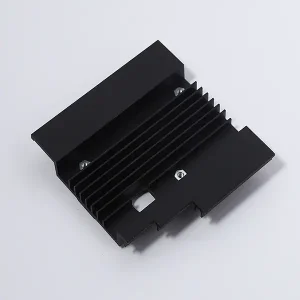
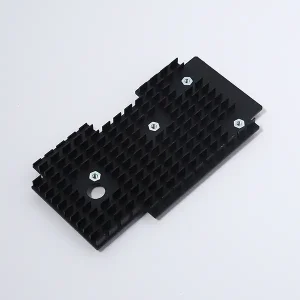
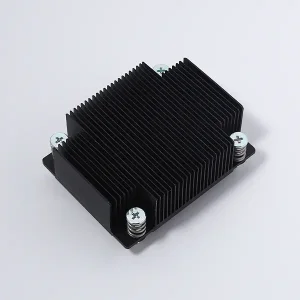
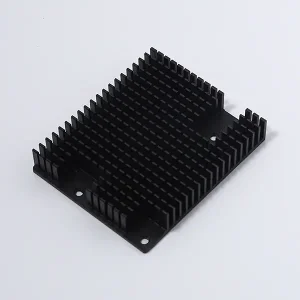
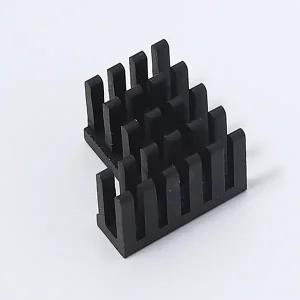
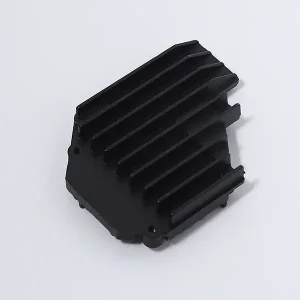
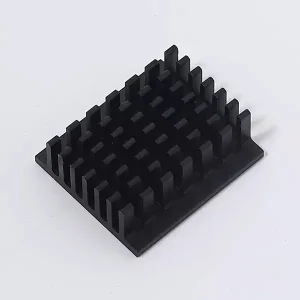
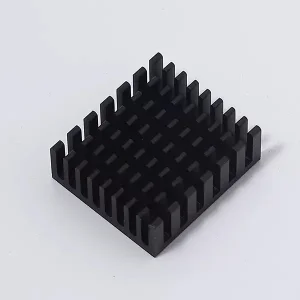
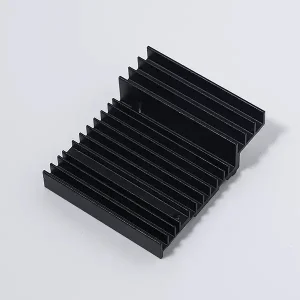
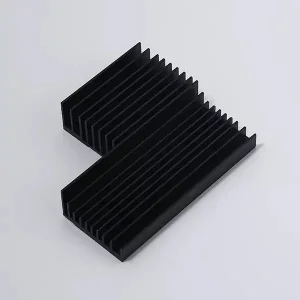
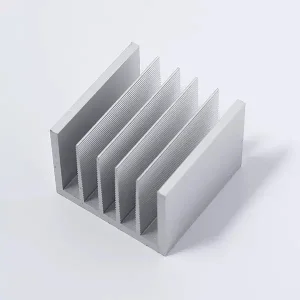
High-conductivity aluminum extruded profiles customized to withstand Central Asia's volatile continental climate and extreme thermal load conditions.
As the largest economy in Central Asia, Kazakhstan is undergoing a massive structural transformation. Driven by the "Digital Kazakhstan" national program and the extensive development of green energy infrastructure across regions like Almaty, Karaganda, and Nur-Sultan, the demand for precision electronic cooling has skyrocketed.
Aluminum extruded heatsinks act as critical thermal management elements in heavy-duty machinery, high-voltage substations, telecommunication base stations, and localized photovoltaic (PV) power generation arrays. In Kazakhstan's continental climate, electronic systems must endure extreme temperature fluctuations—ranging from -40°C in winter to +40°C in summer. Under these demanding conditions, basic thermal designs fail, necessitating advanced engineering expertise and high-conductivity materials.

The convergence of global electrification, 5G deployment, and AI data center integration is reshaping heat dissipation standards.
Standard extrusion technology caps aspect ratios at 8:1. Our advanced heavy press lines deliver fin aspect ratios exceeding 30:1, allowing max surface area inside constrained chassis volumes, essential for industrial variable-frequency drives (VFD).
We leverage high-purity AL6063-T5 and AL6060 alloys with meticulously controlled magnesium and silicon ratios, achieving thermal conductivity rates upwards of 200-209 W/(m·K) to optimize heat transfer efficiency.
Custom surface treatments—including architectural hard anodizing and chemical conversion coatings—provide superior corrosion resistance against saline-alkali environments common in western Kazakhstan oil fields.
Established in 2005, Wenzhou Stpete Electronics Technology Co., Ltd. is a high-tech enterprise dedicated to the design, production, and distribution of premium electronic connectors and high-precision heat dissipation systems.
Our facilities are equipped with heavy industrial extrusion lines, precision CNC machining centers, high-tonnage stamping machines, and automated surface treatment systems. Over nearly two decades of growth, we have earned a stellar reputation for delivering technical excellence. We operate as a trusted strategic partner for tier-1 telecommunication and consumer electronics companies globally, including brands like Huawei and Hisense.
Our commitment to rigorous quality control guarantees that every extruded profile shipped to Almaty, Astana, or Shymkent meets international CE and ISO certification standards.
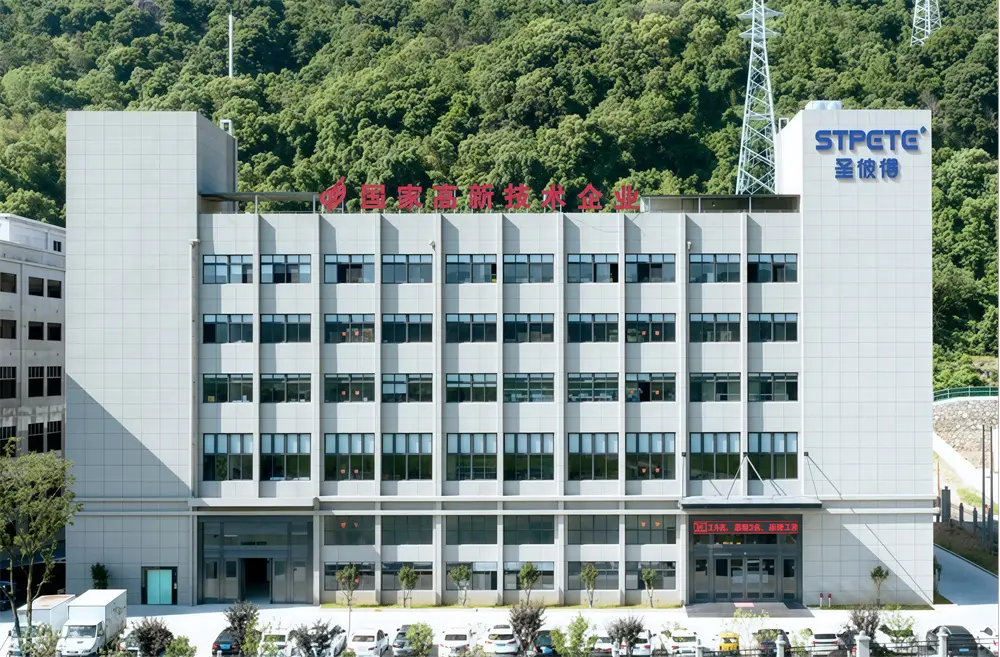

Quality control is the bedrock of our company culture. Our quality management framework covers the entire lifecycle of production, from initial raw material selection to extrusion, CNC machining, surface finishing, and packaging.
Our testing labs are equipped with high-precision optical inspection machines, coordinate measuring machines (CMM), thermal resistance simulation testers, and salt-spray environmental chamber test beds. These tools ensure that we can guarantee long-term reliability and precise dimensional tolerances (up to ±0.05mm) for all exported products.
Why leading engineers and industrial buyers in Kazakhstan choose Wenzhou Stpete as their trusted manufacturing partner.
With an annual R&D investment of over 15 million RMB, our design team works with advanced finite element analysis (FEA) software. We simulate thermal and airflow conditions to optimize heatsink performance before manufacturing begins.
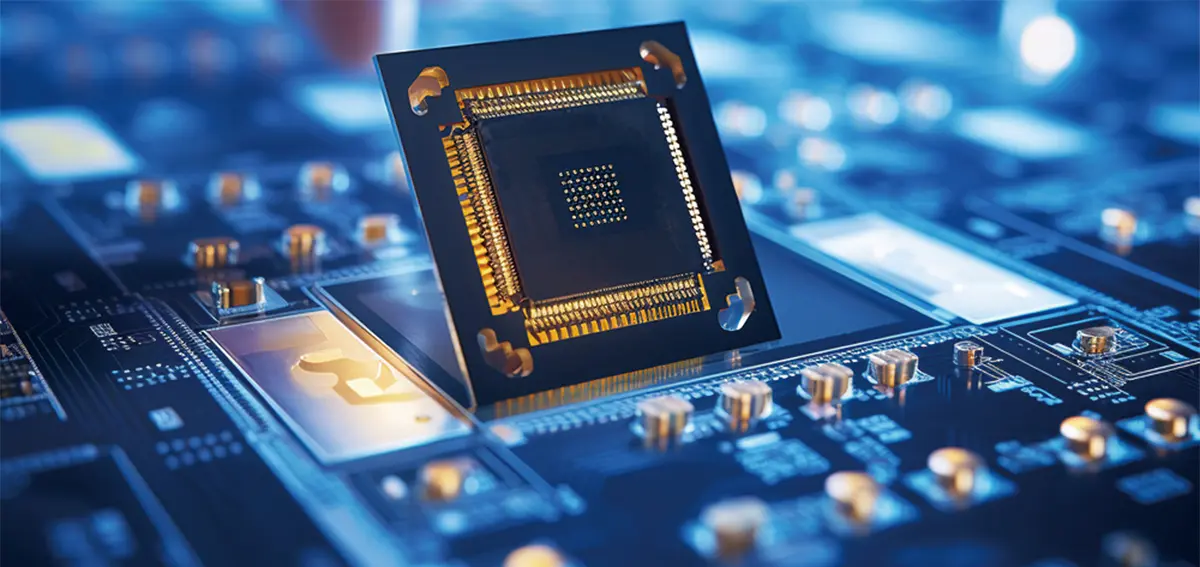
Every step of our process—from incoming material inspection to visual and dimensional checks on the production line—is fully documented. This ensures complete traceability for every batch of heatsinks we deliver.
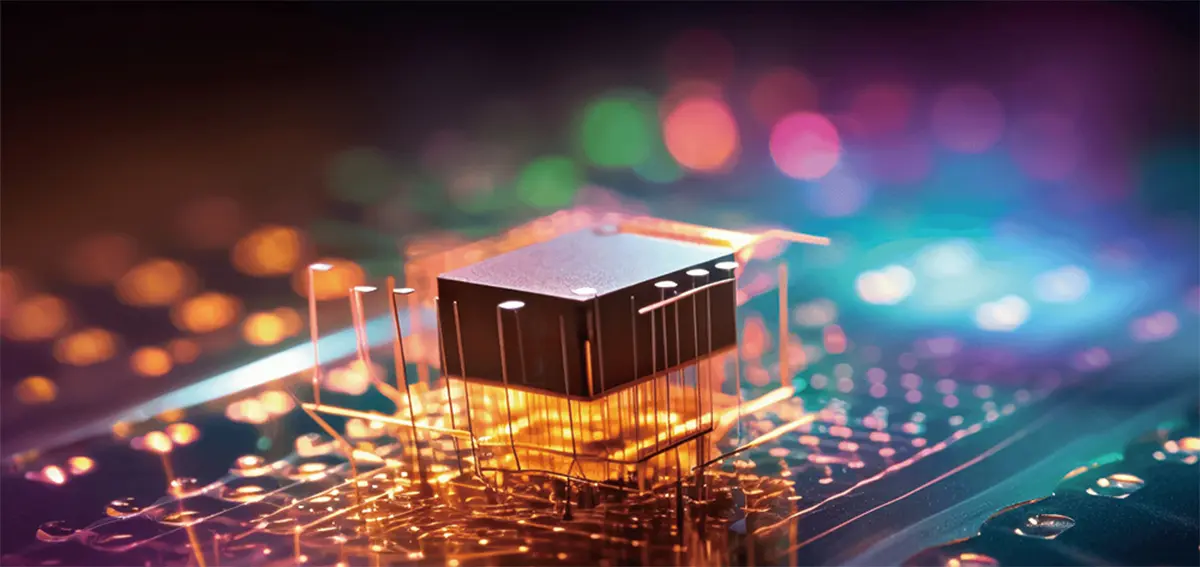
We utilize automated insert molding, precise CNC multi-axis milling, and high-speed stamping presses. Our production lines run continuously, allowing us to maintain stable, short lead times for high-volume orders.

Providing technical, engineered solutions designed to support major industries across Kazakhstan.
Kazakhstan's national grid is modernizing its high-voltage substations to improve transmission efficiency and integrate renewable energy sources. This transition relies heavily on insulated-gate bipolar transistors (IGBTs) and high-power thyristors, which generate massive heat loads in small spaces. Our custom-engineered extruded aluminum heatsinks provide the large surface areas and low thermal resistance required to ensure continuous operation, preventing grid failures and reducing costly maintenance downtime.
Serving as a crucial link in the Belt and Road Initiative, Kazakhstan's rail network operates under extreme environmental stress. Locomotives pulling heavy freight across the country require cooling solutions for their propulsion converters and auxiliary power systems. Our heavy-duty extruded heatsinks are designed to withstand constant mechanical vibration, shock loads, and abrasive airborne dust, maintaining long-term cooling efficiency.
Expanding high-speed network coverage across Kazakhstan's vast geography requires deploying remote base stations and telemetry towers. These outdoor installations must operate reliably without active, high-maintenance cooling fans. Our natural convection passive heatsinks are designed to dissipate heat from transceivers and power supplies, offering zero-maintenance cooling that stands up to rain, snow, and extreme temperature swings.
Explore our complete catalog of certified heatsink solutions, optimized for industrial export and ready for integration into your next project.
Pioneering tomorrow's thermal management paradigms for complex industrial deployments.
As micro-electronic packaging densities increase, conventional extrusion limits are being pushed to their physical boundaries. Wenzhou Stpete is actively developing micro-deformation extrusion techniques. This approach utilizes ultra-fine alloy crystals to generate micro-grooved structures along fin surfaces, enhancing air-side convective heat transfer without expanding the overall size of the component.
To exceed the thermal conductivity limit of standard aluminum alloys, our R&D department is testing new composite materials. By integrating carbon nanotubes and silicon carbide particles into the aluminum melt during extrusion, we aim to increase thermal conductivity past 250 W/(m·K), providing a highly efficient alternative to costly copper inlays.
High-performance computing and heavy industrial power systems are shifting toward hybrid thermal designs. We are developing extruded profiles featuring integrated liquid cooling channels. This hybrid approach combines the reliability of passive air cooling with the high thermal capacity of active liquid loops, offering a versatile cooling solution for demanding environments.
Get detailed answers to common engineering and logistics questions from our technical specialists.
 Stpete Electronics