Engineered to comply with stringent European directives, optimized for aerospace, wind power, and smart logistics systems.
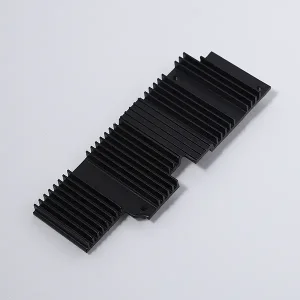
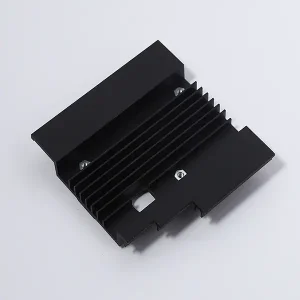
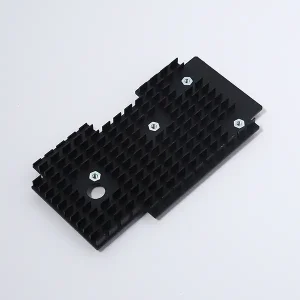
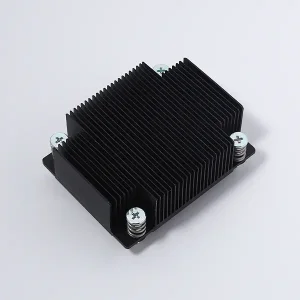
Hamburg, serving as Europe's leading logistics gateway and Germany's premier green technology and industrial innovation hub, is undergoing a massive shift toward automation and carbon-neutral infrastructure. With key players in wind energy technology, aviation components, electric vehicle infrastructure, and advanced maritime systems, the demand for highly specialized thermal dissipation solutions is growing exponentially. Aluminum extruded heatsinks serve as the physical backbone for these high-power electronic systems.
High-efficiency components like IGBT modules, industrial converters, and EV fast-charging units require thermal dissipation units capable of enduring challenging harbor climates and extreme temperature fluctuations. The marine and offshore sectors surrounding the Hamburg metropolitan area demand high-performance heatsinks offering specialized corrosion resistance, excellent mechanical durability, and strict conformance to European environmental standards.

How Wenzhou Stpete Electronics drives thermal performance limits through metal composition optimization and innovative manufacturing processes.
Utilizing high-grade AL6063 and AL6061 alloys, we optimize heat dissipation via precise control of the magnesium-silicide phase distribution. This allows us to achieve a balance between mechanical tensile strength and high thermal conductivity (exceeding 200 W/m·K).
Leveraging high-pressure extrusion dies, we successfully push aspect ratios past 15:1. This maximizes the effective surface area without raising the overall system volume, which is essential for high-density electronic assemblies.
Our anodization processes create protective, thermally conductive oxide layers that resist saline-rich maritime corrosion in Hamburg, and optimize radiation heat loss under low air-flow conditions.
Wenzhou Stpete Electronics Technology Co., Ltd. is a high-tech manufacturer specialized in development, production, and sales of heat sinks and electronic connectors.
Wenzhou Stpete Electronics Technology CO., LTD, established in 2005, operates a comprehensive manufacturing ecosystem designed for high precision. Our facilities are equipped to manufacture a wide array of products including RF terminals, FCB network jacks, DC outlets, USB sockets, AV pin jack boards, and specialized heat sinks. Our CNC manufacturing facilities, high-performance punching lines, and automated packaging equipment allow us to meet strict dimensional tolerances and scale production seamlessly.
Guided by technical innovation, our quality control practices oversee every step of production. From the inspection of raw materials to automated optical inspection of finished assemblies, we prioritize precision and performance. Over our 20-year history, we have established close partnerships with leading telecom brands such as Huawei and Hisense, providing robust heat dissipation components and connector modules for high-reliability systems.
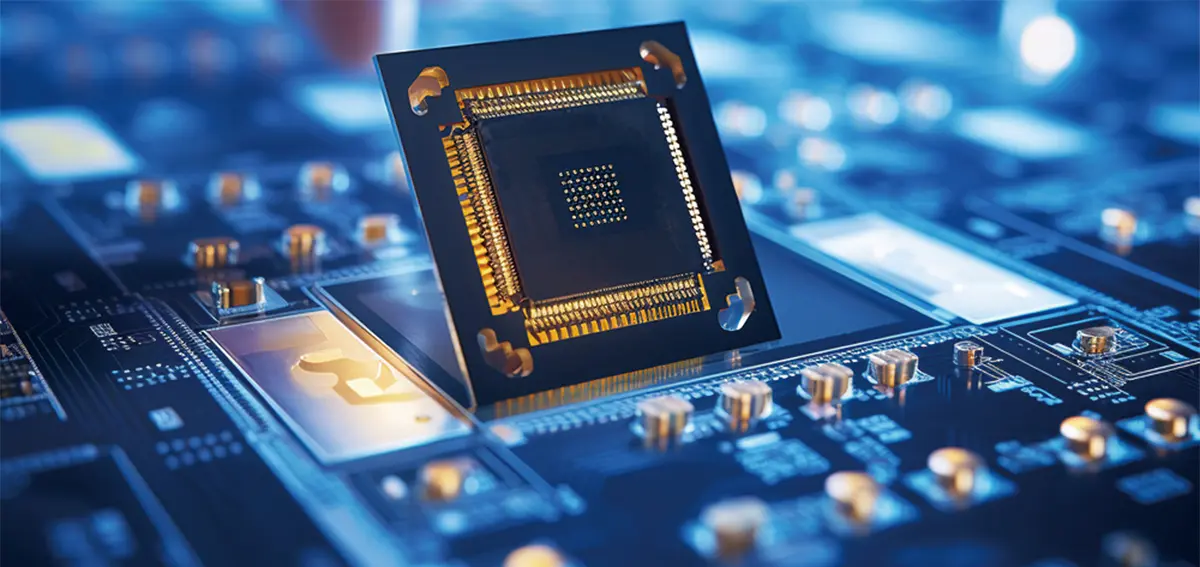
Our team includes over 30 technical R&D specialists. We direct an annual R&D budget exceeding 15 million RMB into developing materials, micro-channel structures, and specialized surface technologies.
Quality and safety guide our manufacturing. Our factory operates under ISO 9001, ISO 14001, and ISO 45001 management systems, providing traceable material and production workflows.

Our automated processes cover insert molding, high-precision stamping, and assembly. This keeps our production lines responsive and supports the shipping timelines required by our global partners.
For procurement managers and thermal engineers in Hamburg, supply chain reliability is just as critical as manufacturing precision. We recognize that compliance with European Union directives and German national standards is a prerequisite for project approval. Because of this, Wenzhou Stpete Electronics maintains strict quality controls to ensure all shipments meet the necessary specifications.
All raw aluminum extrusions we produce adhere to DIN EN 755 (aluminum and aluminum alloys extruded rods/bars, tubes, and profiles) to guarantee predictable mechanical properties and thermal behavior. We support compliance audits by offering full raw material chemical composition analyses and spectrometry documentation for every batch shipped to the EU.
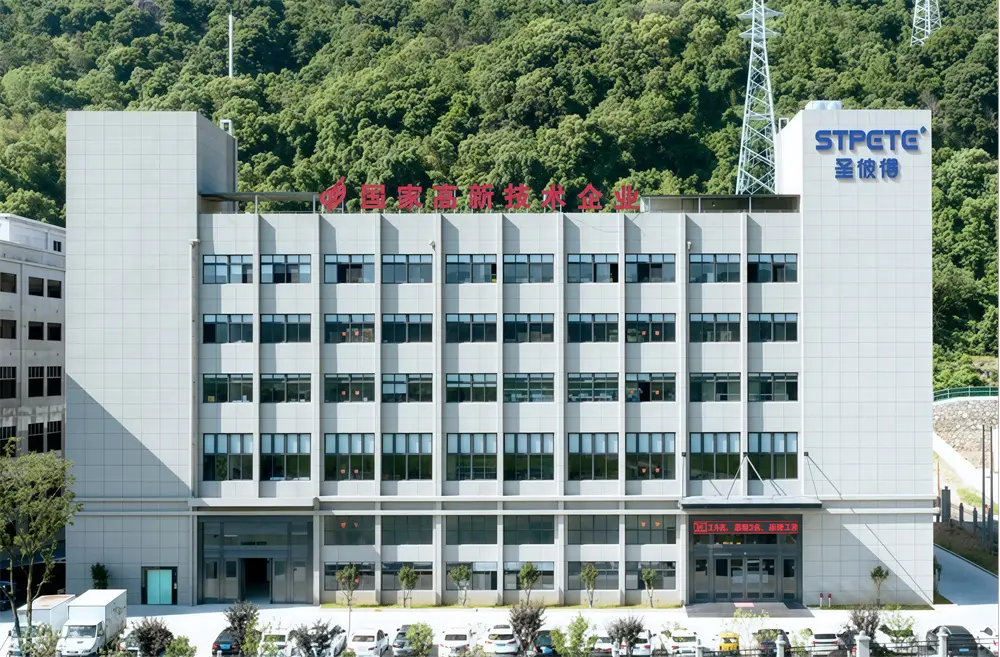

At Wenzhou Stpete Electronics, we believe that high-quality manufacturing relies on strong collaboration and communication. To strengthen team cohesion, we organize regular training programs and outdoor team-building activities in scenic settings. These initiatives help our engineering, quality assurance, and international sales departments work closely together to address customer requirements.
This teamwork helps us resolve engineering problems quickly and keep project communication clear. Whether we are discussing technical design adjustments with engineers in Hamburg or coordinating production runs to meet tight deadlines, our team works together to deliver dependable products on schedule.
When selecting extruded aluminum heatsinks for high-reliability systems, procurement professionals and engineers should focus on key technical metrics. General approximations are often insufficient when designing for demanding environments like offshore wind systems or automated port infrastructure. Below is a checklist of critical specifications for custom heatsink designs:
While 6000-series aluminum is the industry standard for extrusion, the choice between 6063 and 6061 is significant. Alloy 6063 provides higher thermal conductivity (approximately 200-220 W/m·K) and is well-suited for intricate fin designs. Alloy 6061, though slightly lower in thermal conductivity (around 160-180 W/m·K), offers superior mechanical yield strength and structural integrity, making it the preferred choice for structural enclosures.
Forced-convection systems benefit from higher fin density to maximize heat transfer surface area. However, thin, tall fins are difficult to extrude. Our standard extrusion capability covers fin aspect ratios up to 15:1. For designs requiring higher ratios, we utilize advanced friction stir welding (FSW) or bonded-fin manufacturing techniques.
The contact interface between the heat source (e.g., an IGBT module) and the heatsink base plate is a primary source of thermal resistance. We specify a base flatness tolerance of 0.05 mm per 100 mm to ensure uniform contact. Our CNC fly-cutting and face-milling processes achieve surface roughness values (Ra) below 0.8 µm, minimizing the need for thick thermal interface materials.
To withstand the humid and saline environment in the Port of Hamburg, raw aluminum must be treated. Clear or black anodizing increases surface emissivity (improving radiative cooling) while forming a robust, corrosion-resistant aluminum oxide layer. Clear chemical conversion coatings are also available for applications requiring electrical grounding across the assembly.
Answers to technical and logistics questions regarding extruded heatsink manufacturing and supply to Germany.
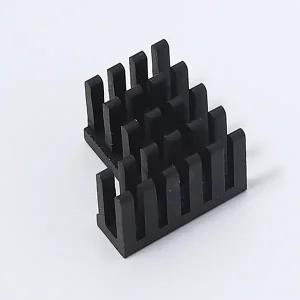
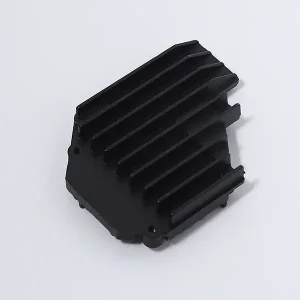
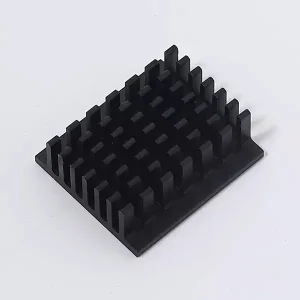
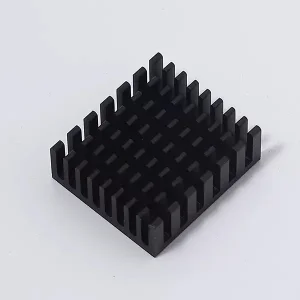
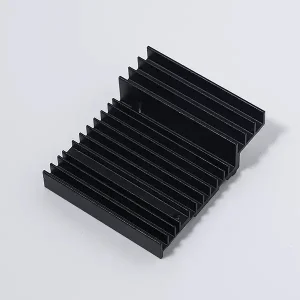
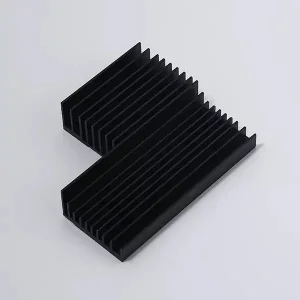
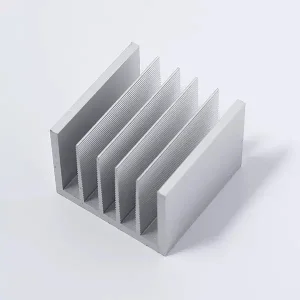
Explore our diverse product configurations designed to meet varied heat dissipation requirements across international markets.
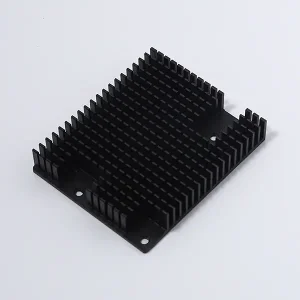
 Stpete Electronics