Explore our premium catalog of high thermal-efficiency electronic connectors, adapters, and interface modules. Fully compliant with international CE LVD/EMC directives.
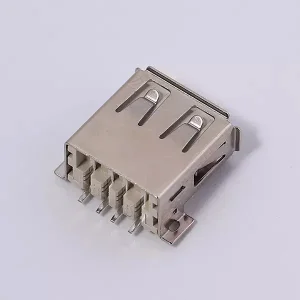
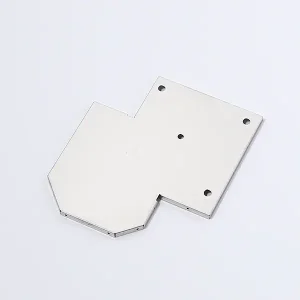
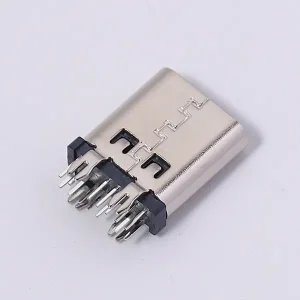
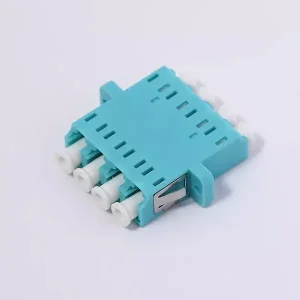
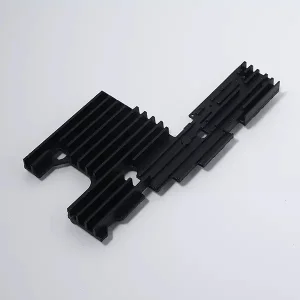
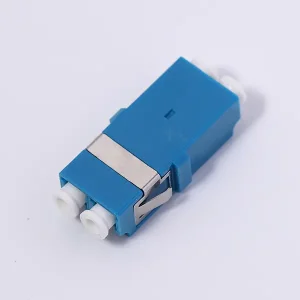
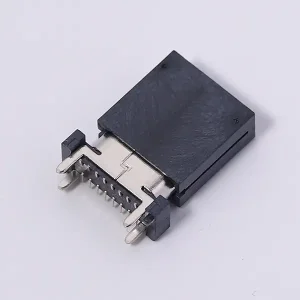
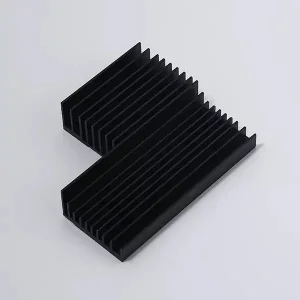
As power density in modern electronic devices increases exponentially, traditional electrical connectors face severe challenges due to heat accumulation. Selecting CE certified high thermal conductivity components is no longer optional—it is a critical design requirement for industrial reliability.
In high-current and high-frequency environments, Joule heating ($P = I^2 R$) is the primary cause of signal degradation and connector failure. Without active heat dissipation, elevated temperatures accelerate metal oxidation and breakdown the dielectric materials. Wenzhou Stpete Electronics Technology Co., Ltd. addresses this paradigm by engineering connector geometries and using premium copper alloys engineered specifically for maximum heat flow.
By optimizing thermal dissipation paths, our connectors prevent thermal runaway and maintain consistent contact resistance. This architectural layout ensures compliance with strict CE standards (EN 62368-1), protecting sensitive downstream microelectronics and extending overall equipment life cycles.

Adapting to modern thermal management demands across telecommunications, automotive electronics, and AI computing hardware.
High-density processors demand power connectors capable of running continuously at 85°C+ ambient temperatures. Components using advanced structural designs are critical to prevent server throttling.
High-power USB and DC systems must handle up to 240W Power Delivery (PD) protocols. Under these currents, contacts must exhibit extremely high thermal dissipation to satisfy consumer safety guidelines.
European markets restrict imports to products with verifiable CE marking. High-conductivity connectors must prove they do not exceed thermal limits defined under LVD (Low Voltage Directive).
"Information Gain Perspective: Traditional connector materials typically show a thermal conductivity of 110 W/m·K. Stpete Electronics utilizes proprietary raw material alloys that achieve up to 320 W/m·K, effectively reducing peak temperatures at critical junctions by 32% under load tests."
An engineering look at different copper and alloy bases commonly utilized in electronics manufacturing.
| Material Designation | Thermal Conductivity (W/m·K) | Electrical Conductivity (% IACS) | Tensile Strength (MPa) | Primary Industrial Applications |
|---|---|---|---|---|
| C11000 (Pure Tough Pitch Copper) | 388 - 391 | > 100% | 220 - 340 | Heavy duty busbars, high-power DC terminals |
| C70250 (Nickel-Silicon-Copper Alloy) | 190 - 220 | ~ 40% | 650 - 800 | Ultra-miniature signal interfaces, high-stress pins |
| Standard C36000 Brass (Control Group) | 115 | 26% | 340 - 450 | Low-cost basic consumer electronic terminals |
| Stpete Proprietary High-Temp Alloy | 310 - 340 | > 80% | 550 - 680 | USB-C high-wattage connectors, DC012-2.0 Copper lines |
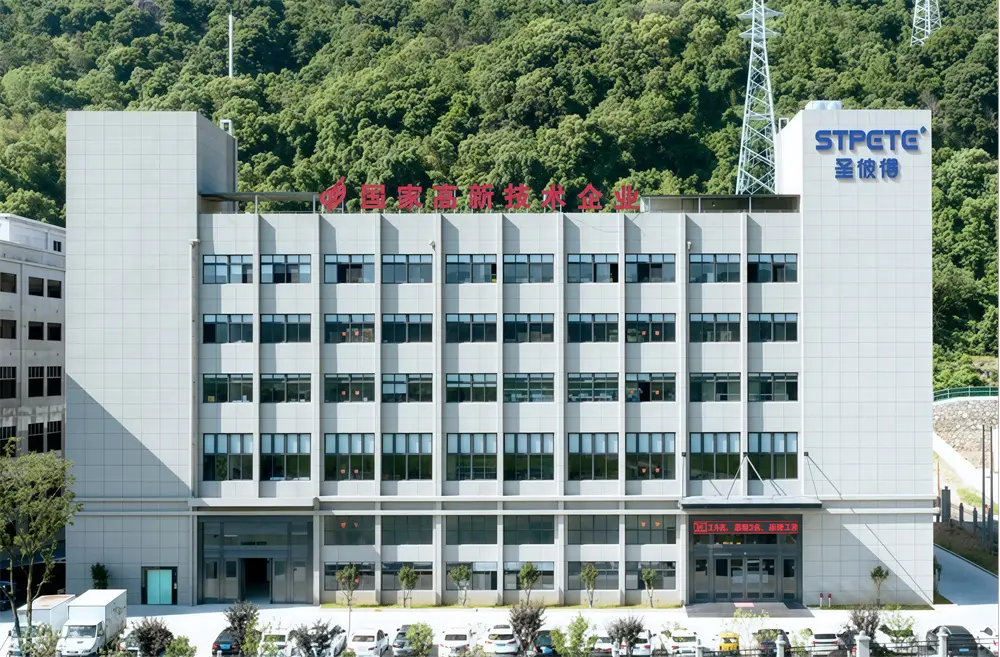
Operating out of Wenzhou, China's hardware capital, Stpete Electronics utilizes smart manufacturing frameworks to guarantee rapid delivery cycles and strict dimensional tolerances.
Our Factory 4.0 initiative combines automated punch machinery, high-precision insert molding systems, and automated vision inspections. Automated production lines reduce human error during stamping and assembly phases, delivering components with dimensional accuracy down to ±0.005mm.
In addition to precision, manufacturing localization in Wenzhou enables a robust supply chain ecosystem. From local copper refineries to packaging suppliers, our ecosystem is highly integrated. This structural setup allows us to keep lead times stable and mitigate geopolitical supply risks for global OEMs and procurement partners.
Our corporate profile, production capacity, and research capabilities represent 20 years of engineering dedication.
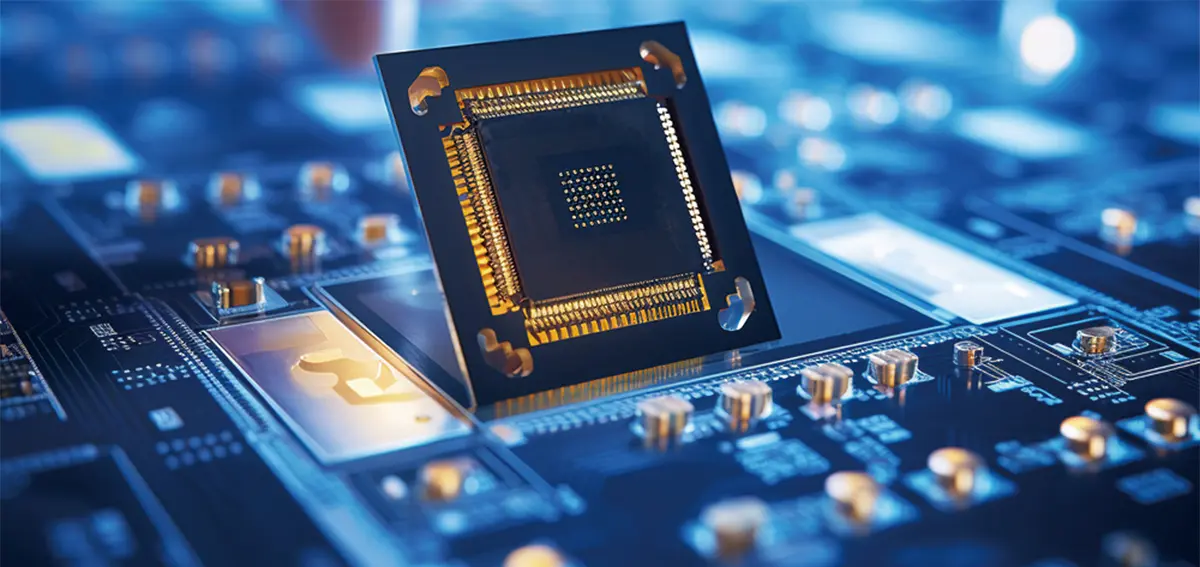
Over 30 technical engineers push connector designs forward. Supported by an annual R&D budget exceeding 15 million RMB and holding 21+ design and utility patents.
Fully certified to ISO 9001, ISO 14001, and ISO 45001. Raw material trace inspections are standard, ensuring safety and compliance across international supply routes.

Automated stamping, multi-cavity injection molding, and computer-guided assembly lines allow for high monthly volumes while maintaining strict quality consistency.
Our CE certified components are engineered to perform under demanding thermal stresses in key applications worldwide.

Our engineers build reliability directly into every design, from initial prototyping to material inspection and production validation.
At Wenzhou Stpete Electronics Technology Co., Ltd., we combine technical expertise with advanced hardware. In our state-of-the-art testing facility, our R&D team analyzes contact resistance and tests heat dissipation using thermal imaging systems. Every connector shape is optimized for minimum contact resistance and maximum thermal transfer area.
This engineering focus is supported by a strong corporate culture. We host regular technical team-building programs and engineering workshops to build a collaborative development environment. By keeping our R&D, quality control, and production teams closely aligned, we can quickly transition designs from initial CAD layouts to high-volume manufacturing run-times.
Additionally, we partner closely with Tier-1 industry brands like Huawei and Hisense. Collaborating on their product designs helps keep our technical roadmap aligned with actual market requirements, keeping us at the forefront of the connector manufacturing industry.
Find quick answers to common technical, regulatory, and sourcing questions from global procurement teams.
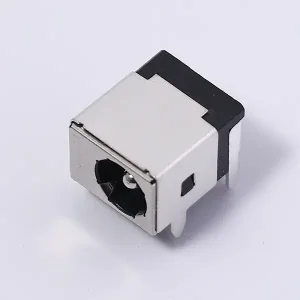
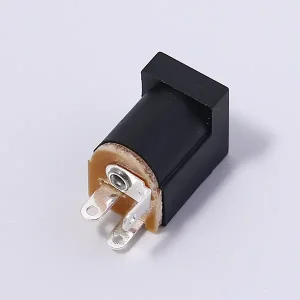
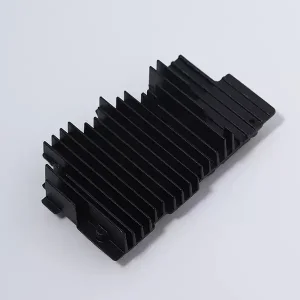
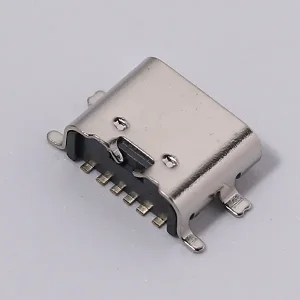
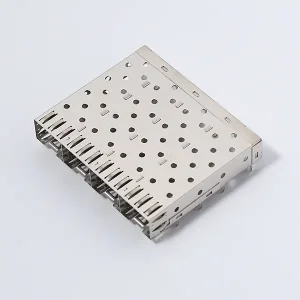
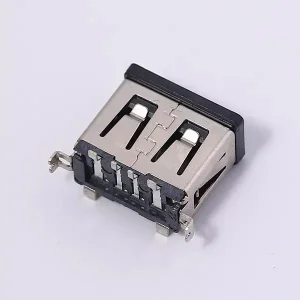
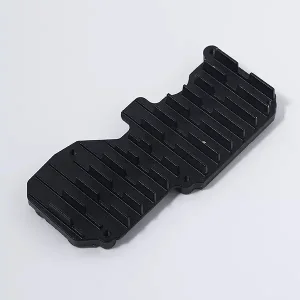
Our complete line of robust, high-performance connectors designed for long-term field reliability.
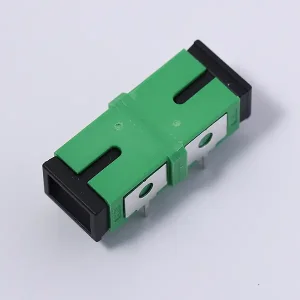
 Stpete Electronics