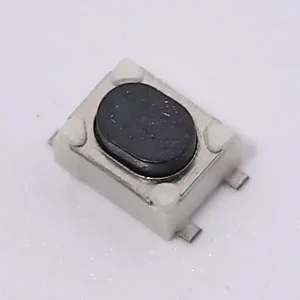
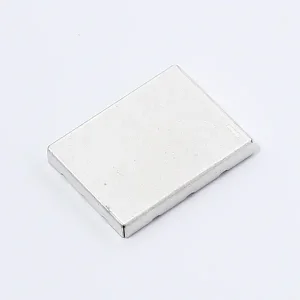
The global electronic architecture is witnessing a rapid convergence towards unified connectivity, ultra-fast power delivery, and micro-miniaturization. In this transformation, the design of PC adapters and connector components has transitioned from simple physical plugs to complex power negotiation hubs. Modern power adapters are no longer passive conduits; they are intelligent subsystems containing advanced semiconductors, specialized DC power outlets, tactile switches, and high-frequency connectors.
As corporate IT departments, industrial control stations, and high-performance computing centers upgrade their systems, the quality of discrete components dictates system uptime. A single failed power jack or a degraded signal path inside a tactile switch can lead to thermal shutdown or fatal power fluctuations. Consequently, the sourcing strategy for international buyers must prioritize companies with vertically integrated engineering, capable of maintaining tight tolerances across massive production batches.
"Innovation in power delivery must be backed by absolute connection integrity. Modern PC adapters demand zero-defect precision at the connector level to ensure steady thermal dissipation under maximum electrical loads."

To access Western markets, power adapter configurations must carry valid CE, UL, RoHS, and FCC markings. Buyers look for suppliers who systematically test insulation resistance, flame-retardant properties of polymers, and lead-free compliance at every production cycle.
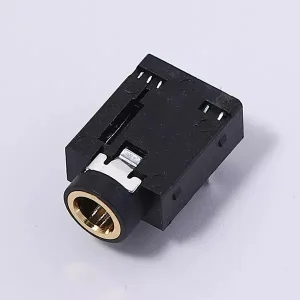
Power cords and plugs suffer daily physical wear. The internal DC socket, headphone jack, and network interface pins must support over 5,000 insertion and extraction cycles without physical deformation or substantial loss of contact resistance.
High wattage operations require materials with high heat resistance (such as LCP or Nylon 9T polymers) and premium metal alloys (like phosphorus bronze and silver plating) to avoid contact-point heating and potential localized fire risks.
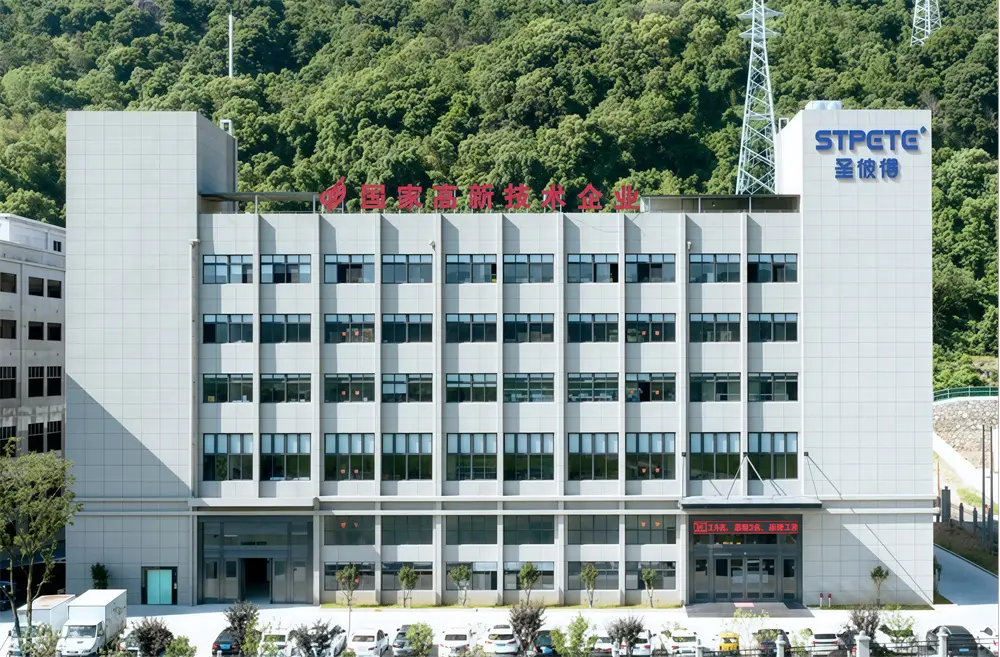
The manufacturing cluster of Wenzhou has evolved into a global powerhouse for high-precision components. Modern electronics factories operate under the "Factory 4.0" paradigm, combining automated assembly lines, high-speed progressive die-stamping, and real-time vision inspection systems. This level of automation prevents minor flaws in terminal plating or metal alignment, ensuring consistency across millions of units.
For PC adapters, specialized switch elements, and connectivity terminals, Stpete Electronics utilizes automated assembly lines to minimize human handling. By performing plastic injection moulding, metal stamping, and assembly in-house, we eliminate intermediate transport delays and quality drift, guaranteeing robust logistics resilience for international clients.
Established in 2005, Wenzhou Stpete Electronics Technology Co., Ltd. is a high-tech enterprise specialized in the research, development, production, and sales of electronic connectors. Over the past two decades, the company has cultivated a reputation as a trusted manufacturing partner for major tech conglomerates like Huawei and Hisense, demonstrating compliance with Tier-1 engineering standards.

Our facility houses advanced production machinery, including high-level stamping presses, automated assembly modules, and multi-axis CNC machines. We design and build our own progressive dies, enabling rapid prototyping for customized OEM/ODM connector specifications. With an annual R&D investment exceeding 15 million yuan, our technical staff continuously optimizes connector geometries to handle higher data bandwidth and power throughput.
Quality assurance is backed by certified ISO 9001, ISO 14001, and OHSAS 18001 management systems. Every piece of raw material undergoes spectral analysis for RoHS compliance before entering production, ensuring safety and compliance across global markets.
Our team includes 30+ technical R&D personnel focused on developing connectors with low contact resistance and high mechanical durability. We maintain an annual R&D investment of 15 million+ yuan, securing 21+ patents for specialized connector components.
Quality at Stpete is built in from the start. From the selection of raw copper alloys and plastic resins to final testing for insulation resistance and mechanical wear, our processes are tightly controlled. We employ salt spray tests, insertion force testers, and reflow simulation ovens to guarantee stable field performance.
Leveraging advanced insert molding and automated assembly machinery, we ensure high repeatability and large-volume output. We actively upgrade our manufacturing tools to lower cycle times and expand our custom packaging capabilities (tape-and-reel, tray, tube) to align with clients' SMT lines.
Stpete’s component portfolio serves diverse industries, ranging from consumer peripherals to infrastructure-grade network devices. Each application demands tailored electrical performance and physical configurations:
High-definition AV systems require stable, interference-free signal transmission. Our AV pin jack boards and RF terminals provide shielding and low signal attenuation, ensuring clear signal paths for displays and audio receivers.
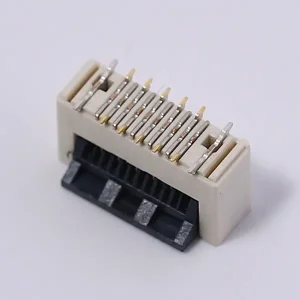
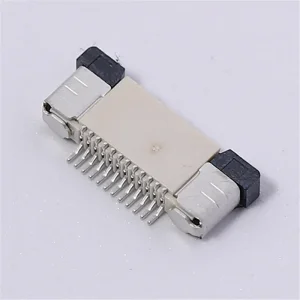
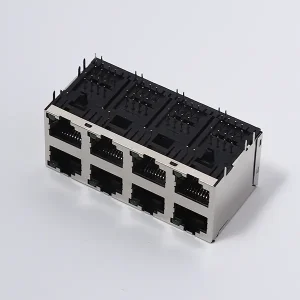
Servers, routers, and data communication hubs depend on reliable connection points. Our FCB network jacks and specialized high-pin count connectors support high data rates and maintain signal integrity in challenging thermal conditions.
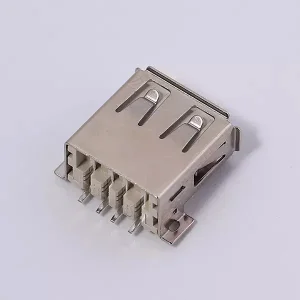
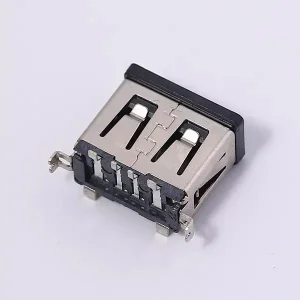
For PC adapters and external power supply units (PSUs), DC power outlets and USB Type-C sockets handle steady currents and high wattage. They must maintain low contact resistance to prevent overheating and ensure efficient power transfer.
Our close collaboration with brands like Huawei and Hisense guides our engineering processes, helping us refine product tolerances and test procedures to align with high-tier consumer and enterprise standards.
 Stpete Electronics