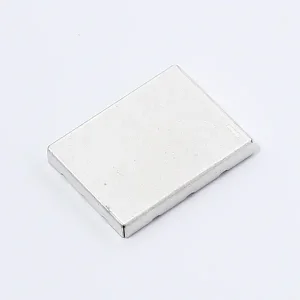
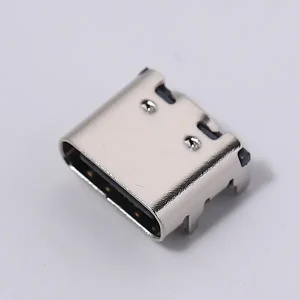
Premium components manufactured under ISO 9001 quality controls for industrial, automotive, and telecommunications applications.
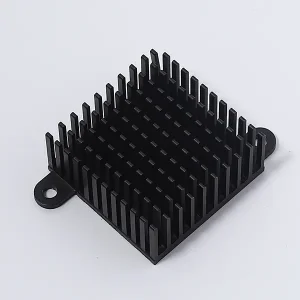
In the contemporary landscape of high-speed computation, telecommunications, and power conversion, thermal management has transitioned from a supporting design consideration to a critical performance bottleneck. As silicon integration density increases and form factors shrink, dissipating thermal energy efficiently is crucial. Aluminum performance heat sinks stand at the center of this engineering challenge, offering an optimal balance of thermal conductivity, structural integrity, weight efficiency, and manufacturing cost-effectiveness.
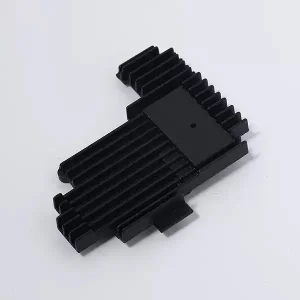
As a leading high-tech enterprise, Wenzhou Stpete Electronics Technology Co., Ltd. (established in 2005) has integrated thermal design engineering directly into its electronic connector ecosystems. High-speed connectors, such as modern USB Type-C arrays, RF terminals, and high-frequency communication ports, generate localized thermal loads that demand advanced dissipation methods. By designing, simulating, and exporting high-performance aluminum heat sinks and radiators, we provide end-to-end thermal solutions that guarantee continuous operations under high load cycles.

We are a high-tech enterprise specialized in the development, production, and sales of electronic connectors and customized thermal dissipation solutions. Over the past two decades, we have established a strong reputation among domestic and international clients for our commitment to product quality and reliable trade services.
Equipped with precision CNC machining, stamping, and automated testing tools to ensure consistent quality in every unit.
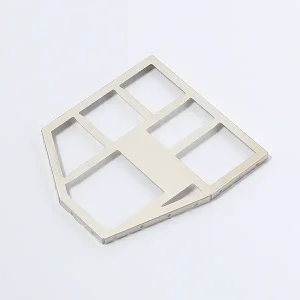
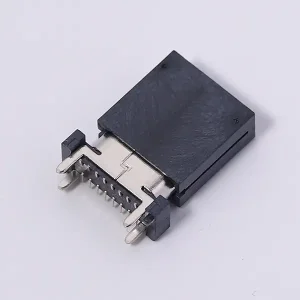
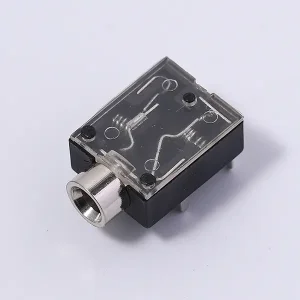
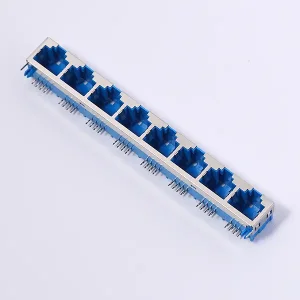
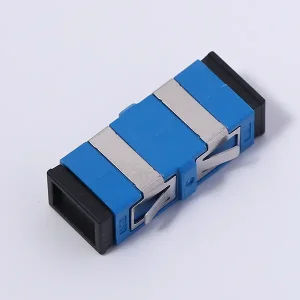
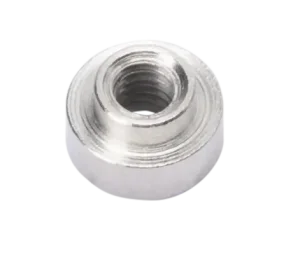
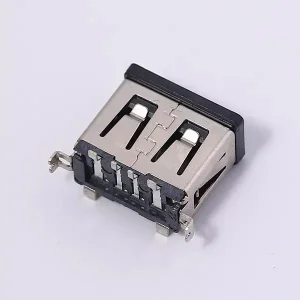
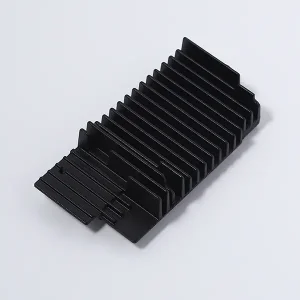
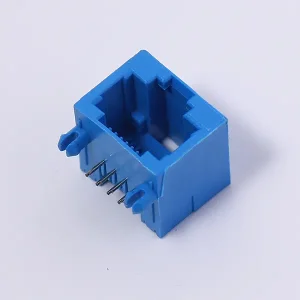
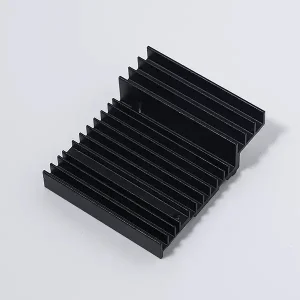
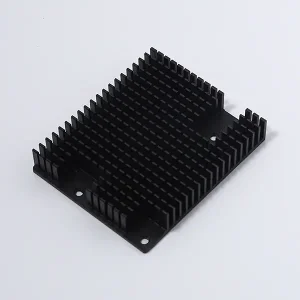
Our production facilities host a complete suite of manufacturing and testing machinery. This allows us to produce high-precision IF Radio-Frequency Terminals, FCB Network Jacks, DC Power Outlets, USB Sockets, AV Pin Jack Boards, and Radiators (Heat Sinks). By leveraging advanced punching equipment and multi-axis CNC machines, we ensure micro-tolerances are maintained across high-volume production runs.
Backed by over 30 technical R&D personnel, we dedicate an annual investment exceeding 15 million RMB to push the boundaries of product efficiency, holding 21+ active research and development patents.
Our quality control starts at raw material procurement and continues through processing to final inspections. We operate in compliance with ISO 9001, ISO 14001, and ISO 45001 (18001) guidelines, collaborating closely with industry leaders like Huawei and Hisense.
By using automated insert molding and streamlined component assembly, we supply global markets with heat sinks and high-precision connector configurations engineered for high reliability.
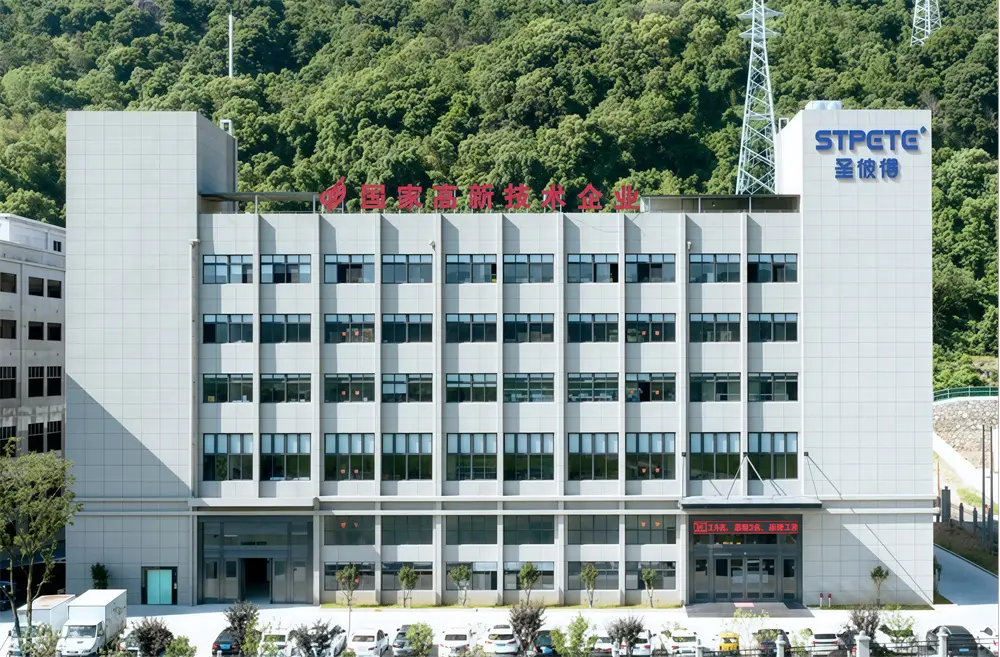
Understanding the supply chain, metallurgical, and technological advantages that make Wenzhou a global hub.
China's industrial manufacturing clusters, particularly in Wenzhou and the wider Zhejiang region, offer unparalleled structural advantages for global procurement departments. When sourcing aluminum performance heat sinks, these advantages map directly to project success, quality reliability, and cost optimization:
Customized thermal architectures engineered for harsh operating environments.
5G remote radio heads (RRH) and base stations run hot due to high data throughput. Our high-performance heat sinks, integrated with low-resistance RF connectors, provide stable heat dissipation for outdoor enclosures exposed to solar radiation.
Electric vehicle components, such as on-board chargers (OBC) and battery management systems (BMS), operate under high vibration and thermal stress. Our cold-forged and precision-stamped heat sinks maintain contact with thermal interface materials to protect these systems.
Solar inverters and wind-turbine converters convert high electrical currents, generating significant heat. Our high-aspect-ratio extruded profiles help control junction temperatures, protecting IGBT modules from thermal cycling failures.

At Stpete Electronics, we believe that technological innovation is built on team collaboration. To strengthen cohesion and foster trust, we regularly organize outdoor team-building activities in natural settings. These events allow our engineering, quality control, and management teams to connect and build professional relationships outside the office.
These activities encourage individuals to step out of their comfort zones, build trust, and align on a common goal. This culture directly benefits our global clients, translating to responsive communication, unified quality standards, and efficient technical problem-solving.
Essential checkpoints to consider when qualifying high-performance aluminum radiator and heat sink suppliers.
Global procurement teams must balance unit costs against technical compliance when choosing a thermal component supplier. Below is an overview of the key evaluation metrics we use to support foreign procurement initiatives:
As silicon chips push past 300W TDP, traditional extrusion profiles are reaching their physical limits. The industry is moving toward hybrid thermal architectures that combine multiple manufacturing methods:
Skived fin technology uses a specialized cutting tool to shave fins directly from a solid block of aluminum or copper. This avoids the interface thermal resistance associated with bonded or brazed fins, allowing for thinner fins and higher density, which maximizes the available surface area within compact spaces.
By embedding copper heat pipes or vapor chambers directly into the base of an aluminum extrusion, engineers can spread heat laterally. The aluminum fins handle the secondary dissipation to the passing airflow, combining the high thermal conductivity of copper phase-change tubes with the lightweight properties of aluminum.
Environmental standards, such as RoHS and REACH, are driving demand for "green aluminum" sourced from low-carbon smelting operations or recycled post-industrial scrap. Stpete Electronics works with certified smelters to minimize environmental impact and meet international sustainability standards.
Technical answers to help buyers evaluate aluminum performance heat sinks and thermal systems.
We export internationally, offering standard packaging, custom labeling, and reliable transit options.
 Stpete Electronics