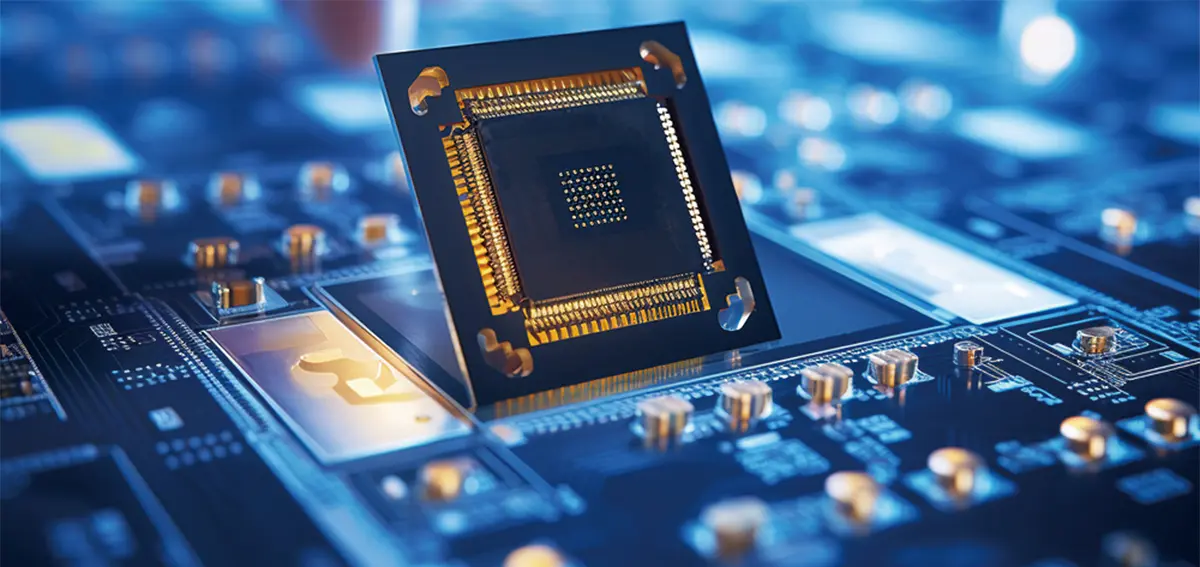
Engineered for exceptional mechanical reliability, signal integrity, and performance under extreme workloads.
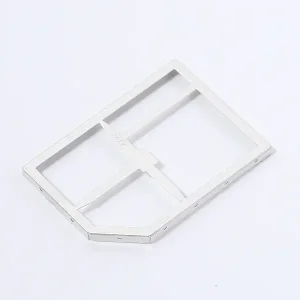
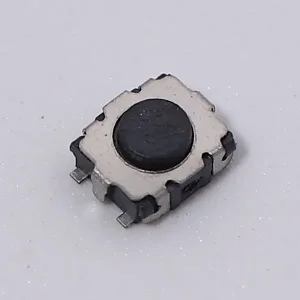
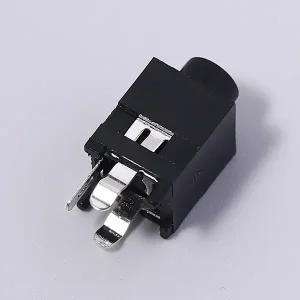
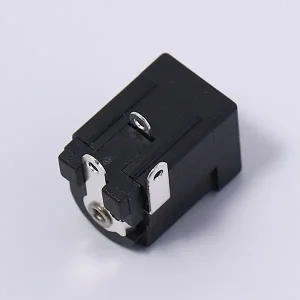

Wenzhou Stpete Electronics Technology CO., LTD was established in 2005. We are a high-tech enterprise specialized in the development, production, and sales of electronic connectors and thermal management solutions. Over the past two decades, we have built an excellent reputation among customers at home and abroad for our high-quality product metrics, engineering design integrity, and efficient, reliable trading services.
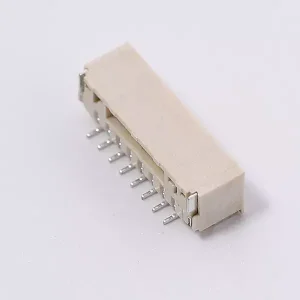
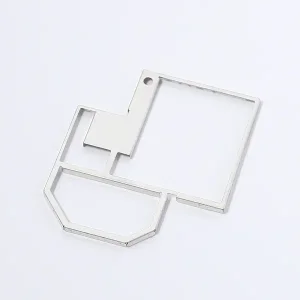
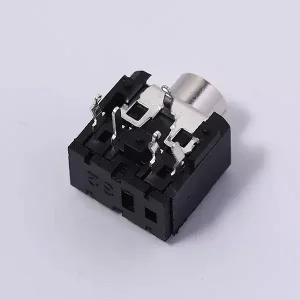
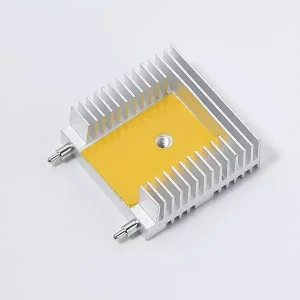
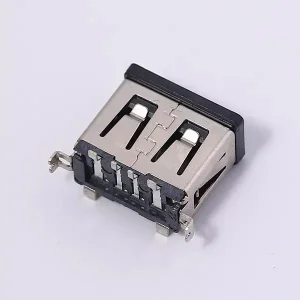
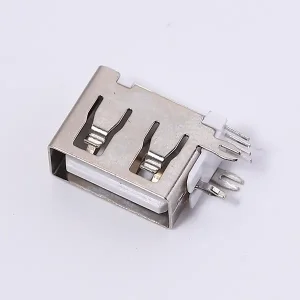
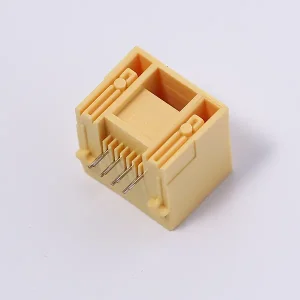
As electronic systems grow more compact and power densities escalate, the need for robust thermal interfaces and structural stability has become paramount. Stpete Electronics addresses this by offering a comprehensive product portfolio, which ranges from advanced radiators (heat sinks) to complex connectors like RJ45 jacks, USB Type-C arrays, tactile switches, and high-frequency RF terminals.
Exploring thermal dynamics, material science advancements, and the transition toward next-generation cooling systems.
In modern electronics, thermal management is no longer a secondary design consideration; it is a critical system bottleneck. High-performance computing, RF amplifiers, and EV power converters generate localized heat fluxes that exceed standard operating limits of silicon components. A well-engineered heat sink represents the physical boundary where thermodynamics meets structural reliability.
While pure copper (Cu) offers exceptional thermal conductivity (~400 W/m·K), its density and weight present structural challenges. Aluminum alloys (Al 6063/6061) remain the industrial standard for extruded heat sinks due to their optimal balance of weight, structural rigidity, and thermal performance (~200 W/m·K). Future trends are utilizing metal matrix composites (MMCs) like AlSiC for specialized high-reliability applications.
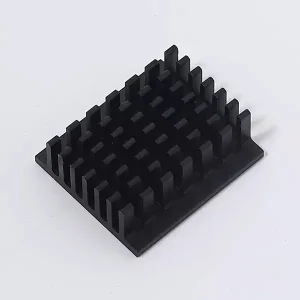
Advancements in tooling allow for ultra-thin fin profiles and increased fin density. Pin-fin arrays, skived fins, and zippered fin configurations are designed to optimize the convective heat transfer coefficient relative to the pressure drop. By utilizing advanced Computational Fluid Dynamics (CFD) modeling, our engineers optimize boundary layer characteristics to enhance heat dissipation in forced-convection configurations.
Passive cooling is increasingly integrated with two-phase heat transfer components. Vapor Chambers (VCs) and Heat Pipes (HPs) are directly embedded in copper bases to quickly distribute highly localized heat loads across the thermal dissipation surface. This approach reduces overall thermal resistance (Rth-case-to-ambient) by up to 40% compared to solid metal bases.
Over the next decade, as silicon substrates migrate to Gallium Nitride (GaN) and Silicon Carbide (SiC), operating temperatures will rise. Our R&D division is actively working on microchannel liquid cooling designs and direct-contact thermal interfaces that eliminate secondary thermal interface materials (TIMs), addressing the fundamental physical limits of heat transfer.
How our high-performance heat sinks and connectors adapt to diverse environments and demanding regulatory frameworks.
With GPUs and TPUs drawing upwards of 700W per chip, data centers in North America and Western Europe require advanced vapor chamber heat sinks. Our products support high-density server rack environments where efficiency and low pressure-drop configurations directly influence PUE (Power Usage Effectiveness) metrics.
In electric vehicles, reliability is non-negotiable. Liquid-cooled and pin-fin structural radiators must withstand constant vibration, wide temperature swings, and chemical exposure. Stpete provides ruggedized, automotive-compliant cooling profiles that optimize the thermals of IGBT and SiC modules.
Outdoor Remote Radio Units (RRUs) are exposed to extreme environments. The heat sinks must act as the chassis itself, relying on natural convection to cool internal RF components. We manufacture highly durable anodized and powder-coated cast radiators that resist saltwater fog, UV exposure, and sand abrasion.
Why Wenzhou Stpete represents the intersection of manufacturing agility, cost efficiency, and world-class technology.
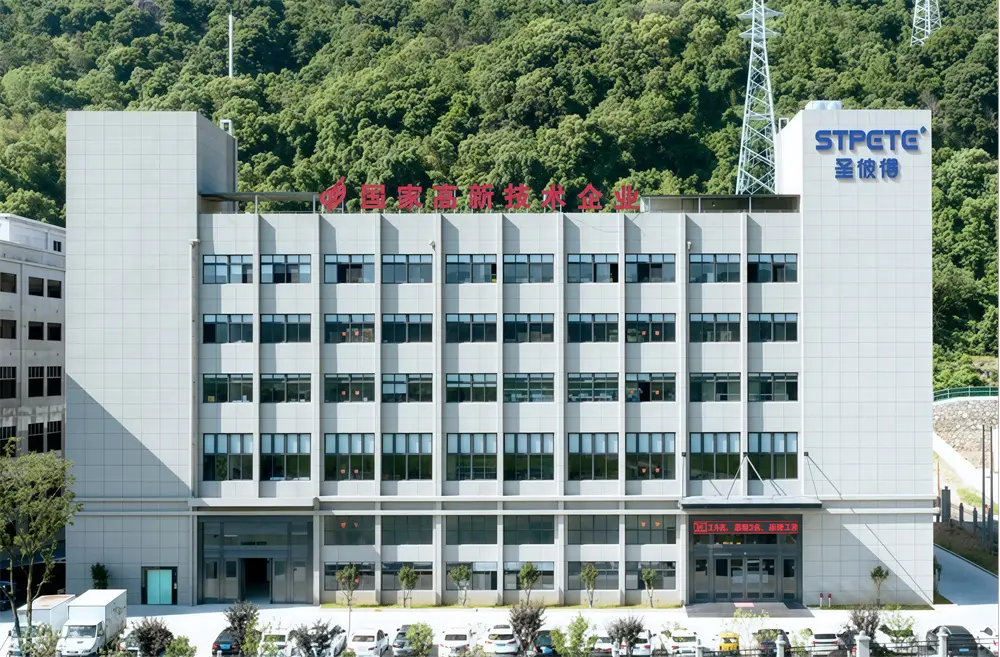
China's industrial manufacturing ecosystem is characterized by deep supply chain integration, offering unparalleled advantages in lead times and material procurement. At Wenzhou Stpete Electronics Technology CO., LTD, we have fully capitalized on this geography to build a resilient, highly automated manufacturing footprint.
Our facility houses advanced equipment to produce high-frequency RF terminals, network jacks, DC outlets, USB configurations, and structural radiators. To maintain high accuracy and consistency, we operate high-level CNC machining centers alongside high-speed punching presses. This enables us to maintain tight dimensional tolerances (+/-0.02mm) across high-volume production runs.
Furthermore, our integrated supply chain means raw material sourcing, mold design, stamping, machining, and surface treatments (anodizing, electroplating, coating) are managed under a single, unified quality management umbrella. This vertical integration reduces cross-organizational friction, guarantees rapid prototype iterations, and protects our global clients from supply chain disruptions.
Our commitment to zero-defect manufacturing and continuous technological innovation.
Our dedicated R&D division has over 30 technical personnel with an annual investment exceeding 15 million RMB. Backed by 21+ research and development patents, we continually push the limits of interconnect and thermal technology, collaborating with top-tier global brands including Huawei and Hisense.
For Stpete, quality is guided by technology and based on safety. From raw material inspection to production processing and final testing, every step is strictly documented. We hold ISO 9001, ISO 14001, and ISO 45001 certificates, employing high-accuracy optical test equipment to prevent factory defects.
Our facility employs insert molding, automated product assembly, and CNC machining technologies. We believe technical innovation is the core engine for growth, which is why we continuously introduce state-of-the-art production equipment to scale manufacturing and lower cost barriers for our clients.

Our company organized an outdoor team-building activity to strengthen cohesion and foster teamwork. The event took place in a picturesque natural setting, providing a perfect backdrop for enhancing team spirit and collaboration.
The activity was designed to promote unity and cooperation among employees. Through challenging and engaging exercises, participants worked together, communicated effectively, and solved problems as a cohesive unit. This event offered our team the chance to connect outside the office environment, building trust and cross-departmental synergy.
Additionally, the outdoor setting offered a refreshing change of scenery, helping to reduce work-related stress and support employee well-being. The team returned to work with renewed energy, enthusiasm, and a shared dedication to quality manufacturing.
Answers to complex engineering queries, material selection parameters, and design guidelines for electronic cooling.
Extruded heat sinks are highly cost-effective and suitable for low to medium power density applications. However, extrusion processes limit fin aspect ratios (typically up to 8:1 or 10:1). Skived fin heat sinks, manufactured by slicing thin layers off solid metal blocks, support much higher fin aspect ratios (up to 25:1) and thinner fin configurations. This design maximizes the surface area within a given volume and eliminates the interface thermal resistance found in bonded or brazed assemblies.
Even highly polished metal surfaces have microscopic air gaps that act as thermal barriers. TIMs (such as thermal grease, pads, phase change materials, or liquid metal) fill these voids to establish a continuous thermal path. The performance of the heat sink relies heavily on the choice of TIM, as high contact resistance can bottleneck even the most efficient radiator geometries.
Our products are manufactured under an ISO 9001 registered quality management system to ensure consistency. In addition, our manufacturing facilities adhere to ISO 14001 environmental standards and ISO 45001 health and safety guidelines. Relevant components are CE certified and fully compliant with RoHS and REACH standards for global export.
Copper-aluminum bonding (often using a copper plate embedded in an aluminum base) utilizes the high thermal conductivity of copper to spread heat away from the dye source, combined with the lightweight, cost-effective dissipation performance of aluminum fins. Proper bonding, such as vacuum brazing or friction stir welding, is necessary to prevent thermal resistance at the bi-metal interface.
Explore our technical portfolio of jacks, connectors, and switches engineered to rigorous quality metrics.
 Stpete Electronics