Explore our top-tier component catalog featuring precision-engineered interface heads, high-speed sockets, tactile switches, and high-frequency RF connectors designed for maximum reliability.
The global interconnect landscape has undergone a monumental shift. The USB Type-C interface, specifically the Type-C interface female head (receptacle), has progressed from a premium consumer electronics option to a mandatory universal interface design standard across massive global industries. This shift has been accelerated by legislative pressures, such as the European Union’s Common Charger Directive, which requires standardized USB-C charging ports for consumer electronic devices, alongside similar mandates taking effect globally.
Today, the USB Type-C female interface represents much more than a convenient, flippable port. It is a highly complex electromechanical structure engineered to handle extreme bandwidth, delivering up to 40Gbps data throughput in USB4 configurations and routing up to 240W of Power Delivery (PD 3.1 Extended Power Range - EPR) through a microscopic 24-pin contact layout. Consequently, sourcing reliable, highly durable Type-C female heads has transitioned from a straightforward hardware procurement task into a mission-critical engineering design priority for OEMs and ODMs worldwide.
“Modern industrial, automotive, and medical devices no longer treat the interface port as an afterthought. It is the primary point of physical contact with the external world, directly impacting system integrity, charge thermal dynamics, and end-user device satisfaction.”
The market demand is booming across multiple industry verticals. Traditional fields like smartphones, tablets, and personal computing have fully standardized the Type-C interface. In parallel, heavy-duty industrial systems, automotive infotainment centers, smart home grids, medical diagnostics, and rugged IoT terminals are rapidly upgrading their connection architectures. These mission-critical systems require custom, robust mechanical properties, specialized shell structures, and ultra-high chemical and thermal resistance to prevent operational downtime and safety hazards.
A powerhouse in high-precision connector engineering since 2005. Backed by solid technical execution, modern manufacturing automation, and strategic industry partnerships.
Years of Engineering Experience
Completed High-End Projects
Professional Technical Employees
Active R&D Patents
With 30+ technical R&D personnel and an annual development investment exceeding 15 Million RMB, we provide customized, application-specific structural designs for global manufacturers.
Operating strictly under certified ISO 9001, ISO 14001, and ISO 18001 frameworks. Every step—from raw material selection to automated optical inspection—is meticulously logged.
Proud regular development partner to market leaders including Huawei and Hisense, delivering premium components that meet rigorous corporate performance standards.
A premium Type-C interface female head must be engineered to withstand rigorous mechanical, electrical, and thermal demands. Below is a comprehensive look at the structural design elements that differentiate consumer-grade receptacles from true industrial-grade ones.


The choice of materials directly impacts the operational lifespan and safety of a Type-C connector. High-quality female heads feature:
| Technical Metric | Standard Consumer Grade | Industrial & Automotive Grade (Stpete Standard) |
|---|---|---|
| Mating Lifespan | 3,000 - 5,000 Cycles | > 10,000 - 20,000 Cycles |
| Operating Temperature | -25°C to +85°C | -40°C to +105°C (Optional up to +125°C) |
| Current Carrying Capacity | 3.0A (Max) | 5.0A Continuous (Supports USB Power Delivery 3.1) |
| Contact Resistance | ≤ 40 mΩ | ≤ 30 mΩ (Initial), Highly Stable |
| Shell Salt Spray Rating | 24 Hours | 48 Hours, 96 Hours (Corrosion-resistant custom coatings) |
As charging standards push limits up to 240W, thermal dissipation within the tiny footprint of a Type-C connector has become a paramount safety factor. High-quality manufacturers incorporate thermal sensing or specialized mechanical gaps within the receptacle body, allowing effective air flow and heat dissipation. Furthermore, minimizing contact resistance prevents local hot-spots that could degrade the surrounding PCB substrate or the connector's internal plastic housing.
The application envelope of the Type-C interface female head spans highly demanding operating environments. Our custom-engineered components are optimized to excel in several key areas:
Automotive grade Type-C modules must endure constant mechanical vibration and extreme temperature shifts. Our connectors are deployed in smart infotainment hubs, dashboard ports, and rear seat passenger charging blocks, meeting stringent VW75174 or USCAR-2 automotive standards.
In clinical medical settings, interface reliability can directly affect patient health. Type-C receptacles used in portable diagnostics, cardiac monitors, and imaging gear feature highly stable gold plating to maintain low, steady contact resistance and prevent signal drift.
Designed to face dust, oil, and humidity, our hybrid SMT+DIP Type-C receptacles are often integrated with secondary silicone sealing gaskets, allowing industrial handhelds and field sensors to achieve IP67/IP68 water and dust ingress protection.
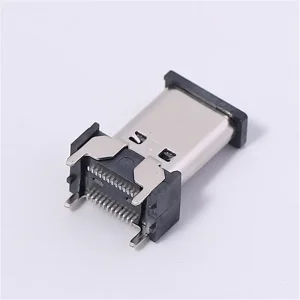
A key engineering consideration is how the connector anchors to the motherboard. Standard SMT (Surface Mount Technology) offers high manufacturing efficiency but can lift or peel from the board under extreme plugging force. To solve this, Stpete Electronics utilizes a hybrid design featuring SMT for the 24 signal pins to maintain precise electrical contact, coupled with through-hole DIP (Dual In-line Package) grounding shell tabs. This hybrid physical layout shifts mechanical stress directly to the PCB core, dramatically reducing pad failure risks during field use.
When sourcing components globally, cost optimization must be balanced with absolute consistency. The Chinese manufacturing ecosystem—exemplified by advanced industrial hubs like Wenzhou—provides unparalleled advantages in the production of high-precision electronic connectors.

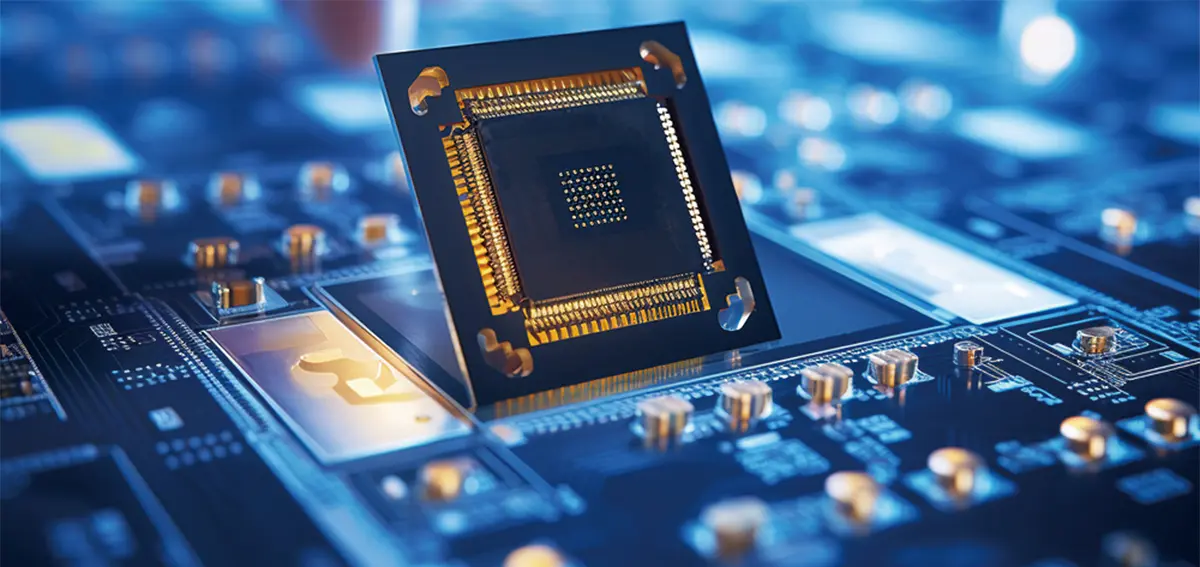
At Wenzhou Stpete Electronics Technology Co., Ltd., we run fully automated assembly lines that integrate progressive metal stamping, high-speed plastic injection molding, contact pin insertion, and automated optical inspection (AOI) into a continuous, high-efficiency workflow. This complete supply-chain integration delivers distinct strategic advantages:
“Our goal is to seamlessly transition from initial CAD design to scale high-speed automated production while keeping coplanarity deviations strictly below 0.08mm across millions of components.”
For procurement professionals, choosing the right Type-C female head supplier involves evaluating clear, technical parameters. Relying strictly on price comparisons often leads to high field failure rates and costly product recalls. Consider the following sourcing checklist:
Ensure your supplier guarantees a pin coplanarity threshold of ≤0.08mm. Higher deviations lead to poor solder joints during surface mounting, resulting in open circuits and field failures.
Verify that contact materials and pin layouts are fully certified to handle high currents (up to 5A) under USB Power Delivery standards, without generating unsafe thermal spikes.
Global compliance requires all components to be fully compliant with RoHS and REACH standards. Settle only for suppliers who provide comprehensive, updated material testing logs.
At Stpete Electronics, we address these technical requirements proactively. Our testing laboratory features advanced x-ray coating thickness analyzers, salt-spray chambers, dynamic mechanical cycling equipment, and custom electrical load setups. This ensures our components arrive at your assembly facilities fully tested and documented, ready for high-yield production.
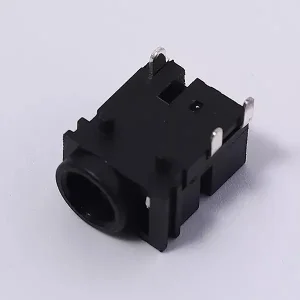
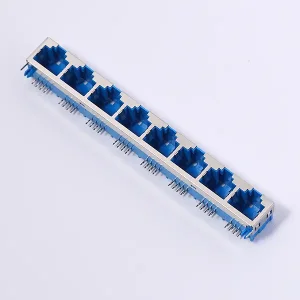
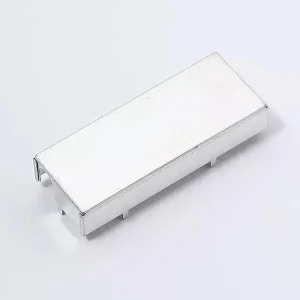
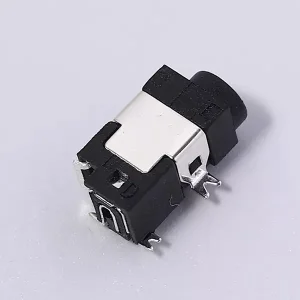
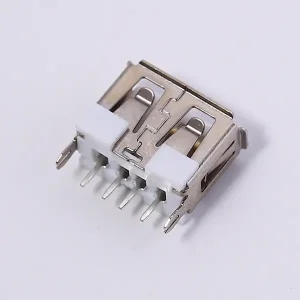
Our extended catalog of certified connectors, headphone jacks, DC power ports, and USB interfaces built for longevity, precision, and reliable connection lifecycles.
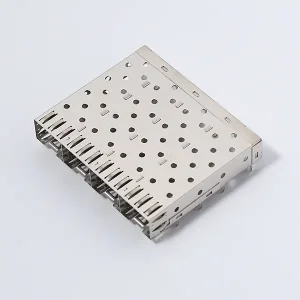
As we look to the horizon of hardware engineering, the technical benchmarks for the Type-C interface are climbing to unprecedented heights. The industry is actively shifting towards USB4 specifications, pushing bandwidth capabilities up to 40Gbps and 80Gbps (USB4 Version 2.0). These data rates demand ultra-precise impedance matching and strict cross-talk isolation within the female head housing. Any minor geometric misalignment of the 24 internal contact pins will lead to signal attenuation, packet drops, and device failure.
Simultaneously, the widespread adoption of EPR (Extended Power Range), which increases maximum power delivery capacity to 48V/5A (240W), presents challenging thermal design considerations. Sourcing directors must verify that high-power ports feature high-grade contact materials and advanced safety safeguards. This includes integrated thermal throttling components and specialized contact point geometry to prevent electric arcing during insertion and extraction under heavy electrical load.

To address these requirements, Stpete Electronics invests over 15 Million RMB annually in R&D to test next-generation connection configurations. Our dedicated team works closely with leading partners like Huawei and Hisense to pioneer low-loss, high-thermal threshold connectors. By utilizing state-of-the-art CNC tools, high-speed stamping, and advanced automation, we continuously push the performance limits of our interconnect components.
Operational excellence is built on strong team synergy. At Wenzhou Stpete Electronics Technology Co., Ltd., we believe technical innovation is fueled by a collaborative, motivated workforce. Every department—from R&D and automated assembly to quality assurance—operates as a cohesive team focused on precision engineering.
To strengthen collaboration and alignment across departments, our company hosts regular team-building programs in beautiful natural settings. These interactive outings allow our teams to connect, unwind, and build strong professional trust. This positive working environment reduces stress and builds a shared commitment to quality, ensuring our team is always energized and focused on delivering high-precision products to our global partners.
Get expert answers to technical, mechanical, and logistical questions surrounding global sourcing of premium Type-C connectors.
Field failures typically stem from mechanical fatigue of the shell, poor pin coplanarity during reflow soldering, and pin wear due to low-grade contact plating. We prevent these failures by using premium LCP housings, enforcing strict pin coplanarity standards (≤0.08mm) via advanced AOI systems, and applying 15μ" to 30μ" selective gold plating to ensure robust electrical performance over 10,000+ mating cycles.
We maintain strict control over our material supply chain. All raw materials (including high-grade alloys, plastic resins, and plating materials) must be accompanied by comprehensive testing reports from certified independent laboratories. We conduct regular internal X-ray fluorescence screenings to verify that all shipped connectors are fully RoHS and REACH compliant.
Standard SMT mountings can detach or pull away from the board under heavy plugging force. Hybrid mounting uses precise SMT for the high-density signal pins to maintain consistent impedance, paired with through-hole DIP grounding shell tabs. This hybrid physical layout shifts mechanical stress directly to the PCB core, preventing pad damage and ensuring long-term connection reliability.
Yes. Backed by our experienced 30+ member R&D team and on-site tool manufacturing capabilities, we regularly develop custom connector designs. Whether you need a mid-mount (sink-type) profile, vertical/upright mating configurations, or specific waterproof structures with integrated silicone rings, we can quickly take your project from CAD conceptual designs to mass-produced reality.
For standard, off-the-shelf connector models, we maintain dynamic safety stock levels to support rapid fulfillment. For high-volume automated production orders requiring custom stamping or plastic molding, typical lead times range from 2 to 4 weeks depending on the order size and specific customization.
 Stpete Electronics