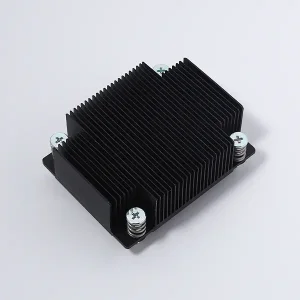
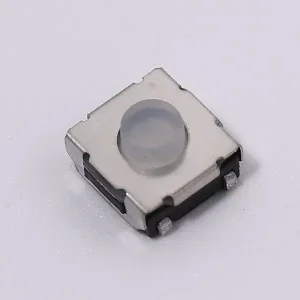
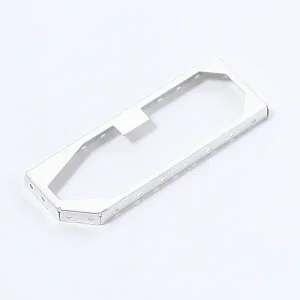
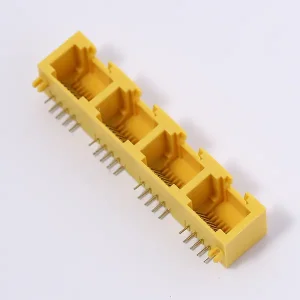
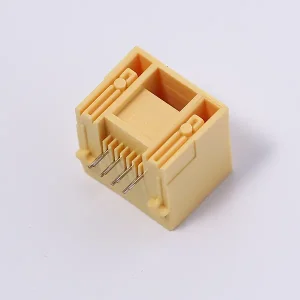
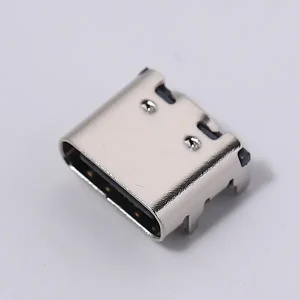
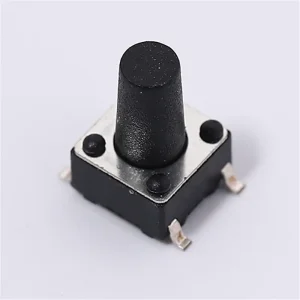
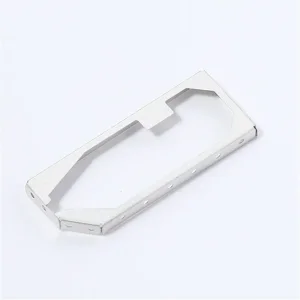
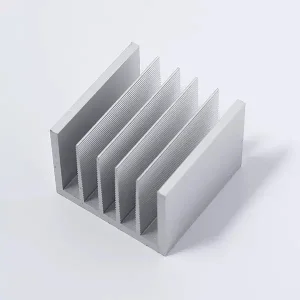
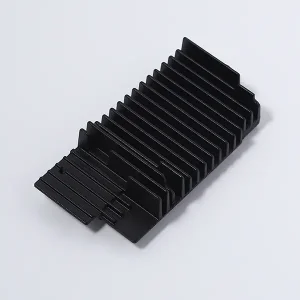
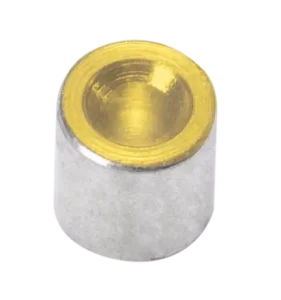
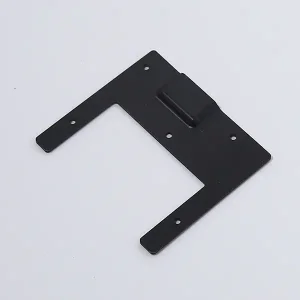
As networks expand to accommodate the massive data throughput requirements of Artificial Intelligence, Edge Computing, and 5G, the demand for precision-engineered connection elements reaches unprecedented levels. At Wenzhou Stpete Electronics Technology Co., Ltd., we occupy a pivotal position in the global supply chain, serving as a trusted partner to tier-one telecommunications providers and hyperscale data centers worldwide. Below, explore our key core product array, representing the pinnacle of mechanical durability and ultra-low insertion loss capability.
Established in 2005, Wenzhou Stpete Electronics Technology Co., Ltd. has evolved into a key global high-tech enterprise. Our operations span the entire lifecycle of professional components—from research and development to precision stamping, injection molding, assembly, and strict outbound compliance auditing. Over the decades, we have maintained a dominant presence across domestic and international markets, securing a distinguished reputation for our manufacturing consistency and customer-centric service workflows.
We address complex networking requirements by developing multi-axis high-speed interconnect platforms. From our initial catalog of tactile switches and interface ports to our advanced fiber optic alignment components, we serve high-demand environments globally. Our partnerships with industry leaders like Huawei and Hisense highlight our capacity to scale production without compromising the mechanical integrity of our components.

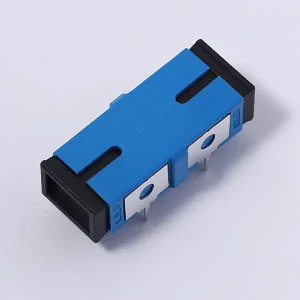
Fiber optic adapters, though simple in appearance, are critical components within multi-gigabit routing systems. They are designed to align the microscopic cores of optical fibers (approximately 9µm for single-mode fiber) to enable uninterrupted light transmission. Any minor spatial deviation can result in signal degradation, manifesting as high Insertion Loss (IL) or poor Return Loss (RL).
Our OEM manufacturing line meets this challenge through precise material selection and tight production tolerances. We utilize premium zirconia ceramic alignment sleeves, which offer better thermal stability and physical recovery than phosphor bronze options. Our high-density adapters maintain concentricity tolerances below 1.0µm, limiting insertion loss to under 0.2dB across diverse operating temperatures (-40°C to +85°C).
As global data centers transition from 100G/400G configurations to 800G and 1.6T speeds, the architecture of optical fiber adapters is shifting toward smaller, high-density formats. Standard LC duplex adapters are increasingly supplemented by high-density CS, SN, and MDC connectors, as well as multi-fiber push-on (MPO/MTP) options. Wenzhou Stpete Electronics aligns its tooling design and capacity with this industry transition:
Designed for ultra-dense high-bandwidth backplanes, our MPO adapters leverage high-tolerance guidance pins to align up to 72 fibers in a single connection, optimizing space usage in rack setups.
Our ceramic components utilize high-purity yttria-stabilized zirconia. This material resists deformation and structural fatigue during repetitive insertion cycles, protecting signal path alignment.
Our high-density adapter housings are constructed from UL 94V-0 rated PEI (Ultem). This material provides flame resistance and structural stability, protecting against structural warp under high thermal load.
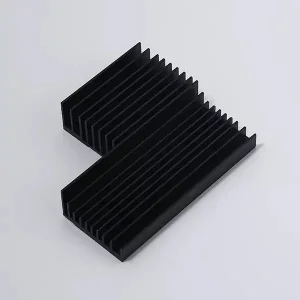
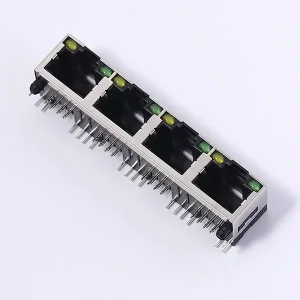
At Wenzhou Stpete Electronics, we integrate quality assurance into every phase of our manufacturing process. We maintain a full suite of testing equipment to produce high-precision RF terminals, network jacks, DC outlets, USB sockets, AV pin jack boards, and radiator components. Our production floor features advanced high-speed punching presses and multi-axis CNC machines to achieve tight tolerances and consistent product runs.
Our incoming inspection checks raw materials before fabrication begins. During production, multi-stage in-line inspections detect anomalies and prevent defective units from advancing down the line. Our quality management system is certified to ISO 9001:2015, ISO 14001:2015, and OHSAS 18001:2007, ensuring reliable production runs for all global orders.
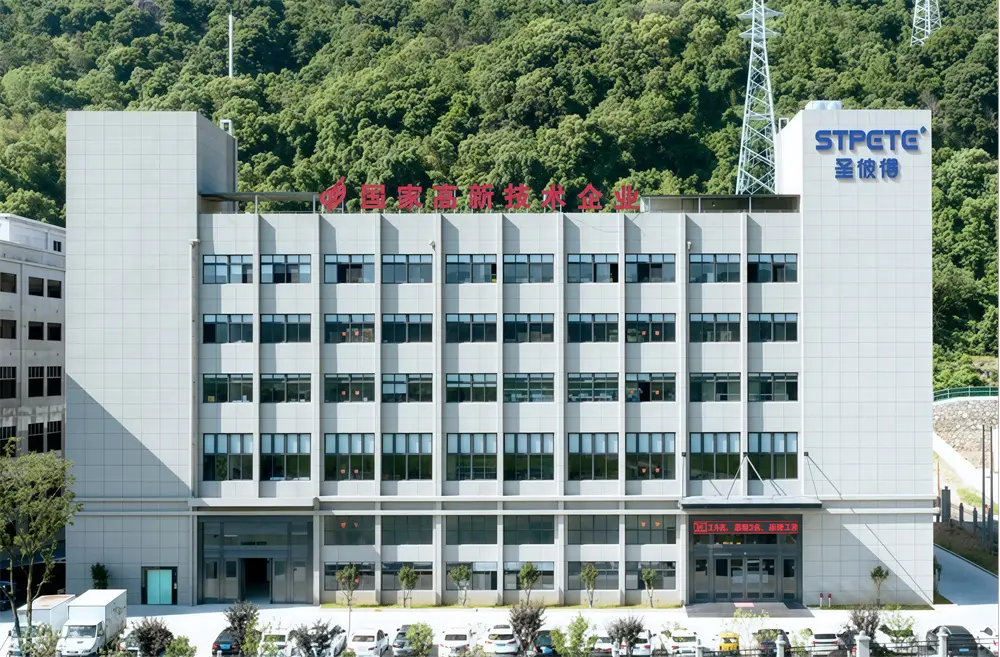
Supported by 30+ dedicated technical specialists and an annual R&D investment exceeding 15 million RMB. Our engineering team holds over 21 design patents, allowing us to support custom OEM and ODM requirements.
We source raw polymers and alloys from verified suppliers. Advanced testing equipment, including 3D coordinates measuring machines, optical projectors, and network analyzers, verifies dimensions and signal path integrity.
Automated insert molding, high-speed stamping, and modern assembly lines allow us to maintain steady high-volume production, ensuring reliable lead times for large-scale orders.
Manufacturing in the modern landscape requires flexibility, cost efficiency, and speed to market. At our facility in Wenzhou, China, we implement automated systems to streamline operations and reduce labor-dependent variables. Our Factory 4.0 roadmap integrates IoT-enabled machinery with cloud-monitored ERP networks to track throughput and cycle times in real-time.
For global procurement managers, this digital setup translates into reliable delivery schedules and consistent product quality. By automating key steps—such as plastic injection molding, terminal insertion, and optical testing—we limit human error and improve production repeatability. The resulting efficiency allows us to balance material costs and offer competitive terms for worldwide export.
We maintain backup sourcing agreements for primary polymers (PEI, PBT, ABS) and contact metals. This structured inventory management buffers our production lines against global raw material fluctuations, helping us honor delivery timelines and contract pricing during supply shortages.
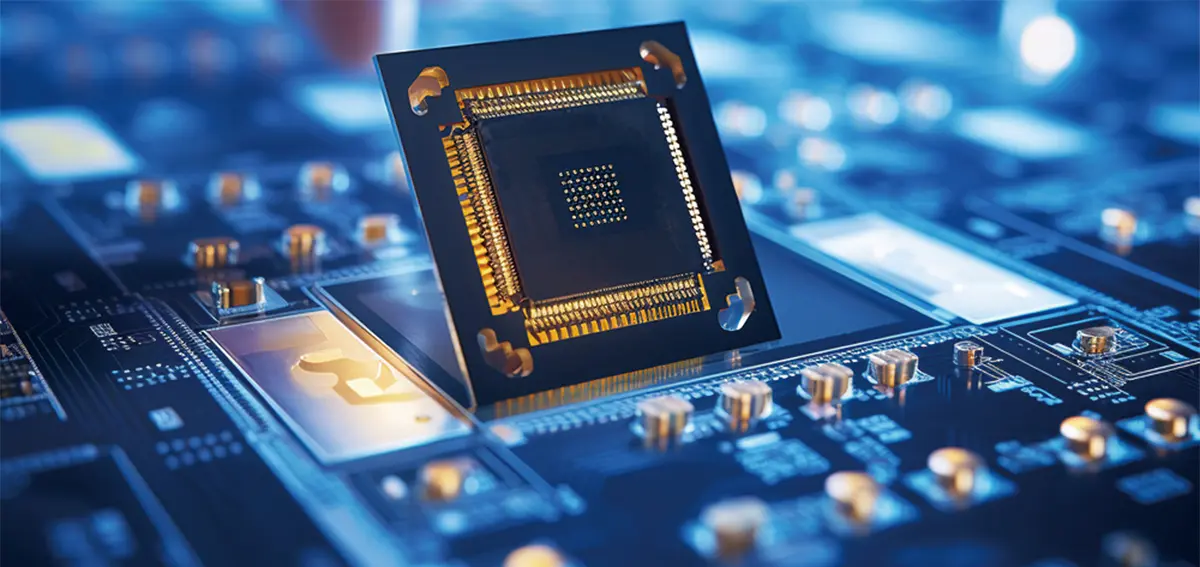
We supply component solutions for diverse market sectors. Different operating environments present unique challenges, and our catalog is engineered to address these specific demands:
FTTx installations require weather-resistant materials to withstand temperature variations, moisture, and UV exposure. Our adapters utilize UV-stabilized polymer outer shells and sealed gaskets to maintain connection alignment in outdoor enclosures and distribution boxes.
High-density data centers need space-saving configurations. Our multi-port LC and MPO adapters allow design engineers to maximize fiber terminations per rack unit, simplifying routing pathways and improving cooling airflow.
Heavy machinery and industrial networks expose connections to constant vibration, mechanical shock, and electromagnetic interference (EMI). Our ruggedized metal-shielded adapters and heavy-duty connector housings prevent signal degradation in harsh factory environments.
Technical capabilities are supported by a collaborative team culture. At Stpete Electronics, we invest in training, skills development, and team activities to maintain high performance across our engineering, manufacturing, and support divisions.
Our team-building initiatives encourage cross-department collaboration. When our sales, engineering, and QC departments collaborate closely, we can review customer specifications more efficiently and accelerate product development cycles. This teamwork helps us deliver responsive global service, from processing custom inquiries to offering technical support post-sale.

 Stpete Electronics