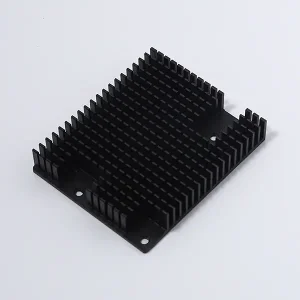
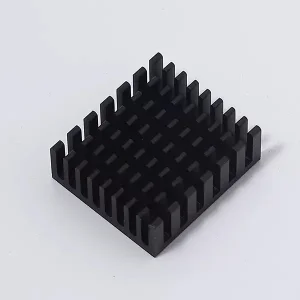
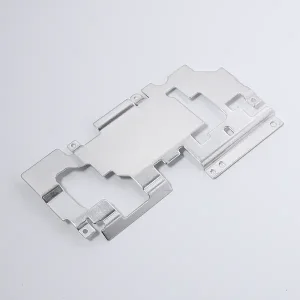
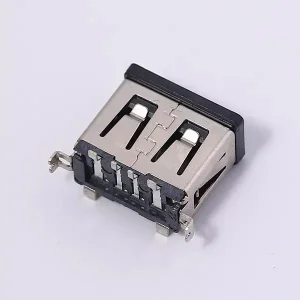
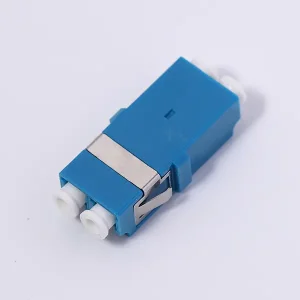
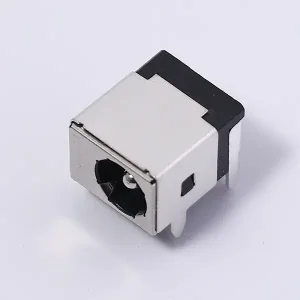
Modern telecommunications, computational infrastructure, automotive electrification, and high-frequency power switching systems have reached high heat flux levels that exceed traditional limits. As system densities increase and hardware enclosures shrink, managing heat dissipation is critical for system reliability. At the center of this industry is the high thermal conductivity heat sink aluminum plate—a key solution designed to maximize heat transfers ($W/m\cdot K$), minimize junction temperatures, and prevent structural degradation.
The global thermal management market is growing rapidly due to the expansion of 5G telecom towers, electric vehicle (EV) battery packs, and renewable energy inverters. Historically, heat sinks were simple, low-grade castings. Today's technologies require metallurgy utilizing specialized alloy structures, such as 6000-series structural alloys and 1000-series pure aluminums. These materials are combined with advanced manufacturing processes like CNC skiving, cold forging, and insert molding to meet high performance standards. These solutions optimize transient thermal responses while protecting circuit boards and chips from stress caused by thermal expansion differences.
Established in 2005, Wenzhou Stpete Electronics Technology Co., Ltd. is a high-tech enterprise specialized in the research, development, production, and sales of high-performance electronic connectors, radiator heat sinks, and precision hardware assemblies. Over the past two decades, we have built a reputation at home and abroad for excellent product quality, production consistency, and reliable trading services.
Our technical team works with major companies like Huawei and Hisense, designing solutions for key systems that require stable, long-term performance. Guided by technology and based on safety, we follow strict quality standards from raw material selection to production line processing, final inspection, and safety testing.

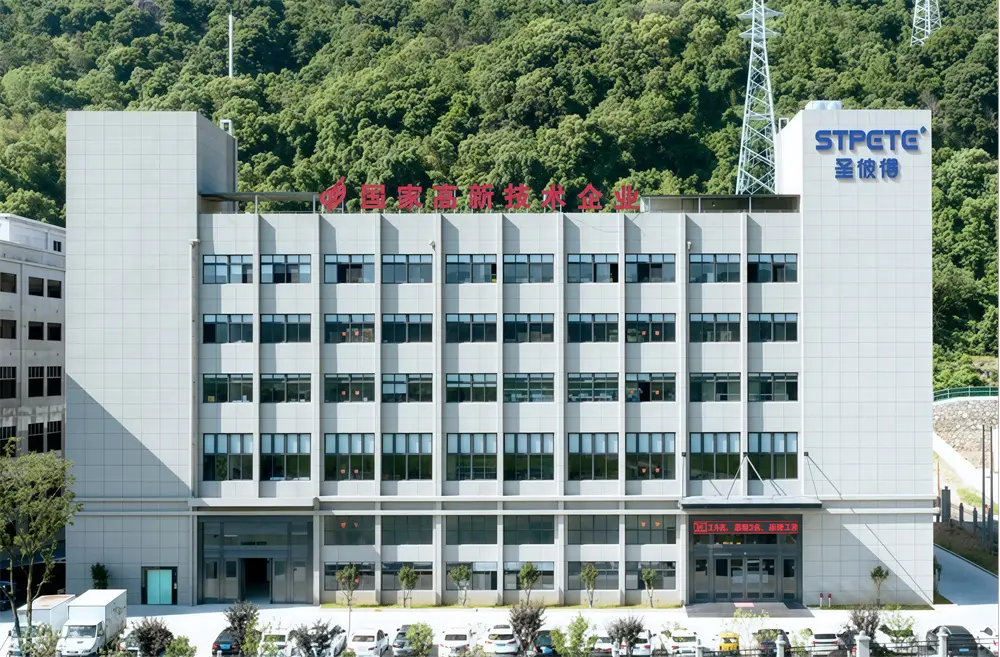

To prevent defect leaks, we utilize high-accuracy test inspection equipment to verify incoming raw materials and outgoing products. Multiple inspection stations are integrated into every production step. This process helps us maintain low defect rates (DPPM) even for complex components, meeting the needs of global clients in telecom, medical electronics, and industrial automation.
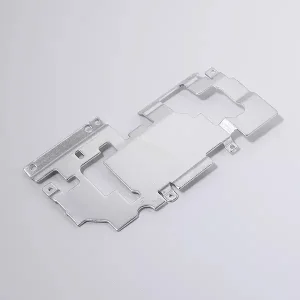
To design an efficient aluminum plate heat sink, engineers must select the right alloys and manufacturing processes. Aluminum is widely used in thermal design because it offers a good balance of high thermal conductivity, low weight, corrosion resistance, and cost-effectiveness. Below is an overview of the key alloys used in our production lines:
Offers the highest pure thermal conductivity (~225-235 W/m·K) but has lower structural strength. Ideal for cold-forged and skived fin heat sinks without structural load requirements.
The standard alloy for aluminum extrusion processes, offering a thermal conductivity of ~200 W/m·K. It provides good mechanical strength, is easy to machine, and responds well to anodizing.
Features high structural strength with a thermal conductivity of ~170-180 W/m·K. It is widely used in CNC-machined baseplates, liquid cooling systems, and structural heat dissipation brackets.
For high-capacity thermal systems, selecting the alloy is only the first step. The manufacturing method also plays a key role. While extrusion is the most common technique, it limits fin-density ratios. To overcome this, our factory uses advanced techniques, including:
Modern remote radio units (RRUs) require weather-resistant enclosures that also act as passive heat sinks. Our aluminum plates help dissipate high-frequency heat, keeping transceivers operating reliably in outdoor environments.
Electric vehicles require efficient thermal management to prevent thermal runaway. We supply precision-milled aluminum cooling plates that maintain safe operating temperatures across battery modules and IGBT inverters.
High-lumen industrial lighting systems generate significant localized heat. Our high thermal conductivity plates rapidly spread heat away from LED junctions, preventing color shift and extending system life.
As microprocessors and power modules continue to shrink, standard aluminum alloys are reaching their thermal limits. Our R&D department is focusing on next-generation composite thermal interfaces to meet these increasing demands.
Our research roadmap includes several key development areas:
We focus on technical innovation, quality assurance, and automated production technology to build reliable, high-performance thermal products.
30+ R&D personnel developing customized cooling solutions and connector assemblies.
Strict incoming raw material checks, line-by-line processing, and thorough testing.

Automated production lines, insert molding, and CNC processes to deliver consistent quality at scale.
Wenzhou Stpete Electronics Technology Co., Ltd. regularly organizes outdoor team-building activities to build cooperation and strengthen teamwork. These events help employees connect and work together, helping build a collaborative culture that carries over to how we support our customers.
Through exercises focused on trust, communication, and problem-solving, our team works to refine their collaboration skills. This helps us approach complex customer projects with a unified, efficient workflow.
For inquiries about our products or pricelists, please leave us a message. Our technical support team will contact you within 24 hours.
 Stpete Electronics