Engineered to deliver high thermal dissipation under critical Nordic operating conditions.
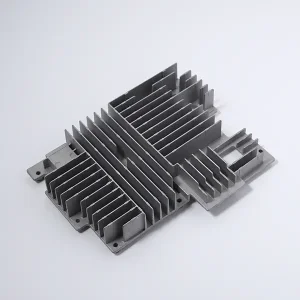
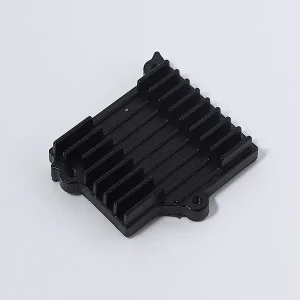
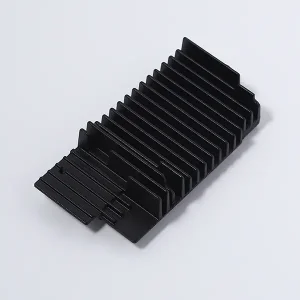
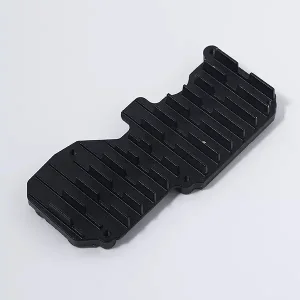
Finland, a pioneer in green technologies, digital infrastructure, and smart manufacturing, requires high-reliability components to power its industrial ecosystem. From the telecommunications hubs in Oulu to industrial automation centers in Tampere, thermal dissipation represents a major engineering bottleneck. Modern power electronics, smart grid switches, and variable frequency drives (VFDs) require advanced die-cast heatsinks that combine complex geometry, light weight, and high thermal performance.
Operating in Finland means designing for extreme environments. Outdoor electronics must survive deep winter sub-zero temperatures (down to -40°C) and rapid thermal cycles when high-power electronics start up. Standard extrusion profiles fail to meet these complex dimensional requirements, paving the way for custom High-Pressure Die Casting (HPDC) Aluminum Heatsinks.
As a leading exporter and technical manufacturer, we supply precision-engineered thermal products that meet strict European Union guidelines and are configured to operate flawlessly across Northern Europe's demanding sectors.

Wenzhou Stpete Electronics Technology Co., Ltd. — Leading Custom Connectivity & Thermal Management since 2005.
Established in 2005, Wenzhou Stpete Electronics Technology Co., Ltd. is a high-tech enterprise specialized in the design, development, manufacture, and global distribution of custom electronics connectors, high-performance radiators, and precision metal castings. Over the past two decades, we have established a strong reputation for offering reliable, cost-effective OEM/ODM thermal solutions that serve heavy industrial, automotive, and consumer electronics applications.
Our core capabilities range from structural mould flow analysis to high-speed punching, CNC machining, and automated product assembly. Backed by an engineering team working directly with top-tier brands like Huawei and Hisense, we deliver customized components that bridge the gap between design limits and physical production reality.
Years Experience
Completed Projects
Professional Staff
Leveraging our team of over 30 R&D engineers, we invest more than 15 million CNY annually. Wenzhou Stpete holds 21+ design patents and utilizes specialized simulation tools to prevent common defects before mass production begins.
We strictly follow ISO 9001, ISO 14001, and ISO 45001 (originally OHSAS 18001) principles. Incoming material controls, online CMM inspections, and structural verification guarantee consistent mechanical and electrical standards.
Equipped with modern CNC units, high-pressure die casting chambers, and automatic punching lines, we produce everything from high-conductivity heatsinks to complex RF terminals, av pin jack boards, and DC power jacks.
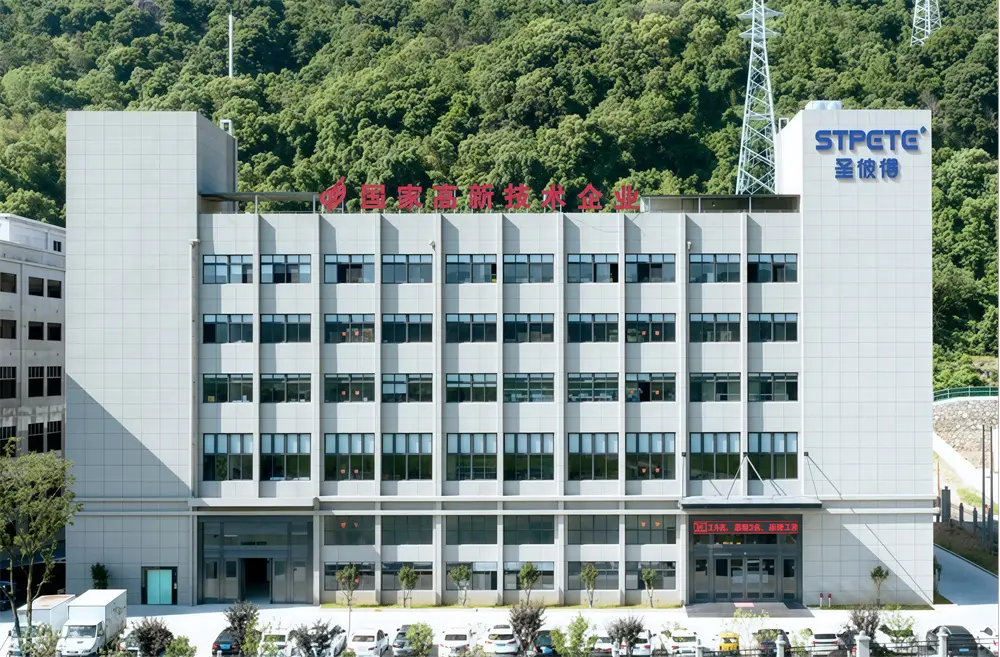
For St. Peter, quality is the lifeblood of our business. Our manufacturing process starts with premium ingot sourcing, utilizing alloys like AlSi12, AlSi9Cu3, and ADC12. The metallurgical composition of each batch is validated through optical emission spectrometers to guarantee uniform thermal conductivity values.
To eliminate casting flaws like internal porosity and cold shuts—which significantly degrade thermal and mechanical performance—we perform real-time X-ray inspections and mold-flow pressure control. Precision machining is done on advanced CNC centers to hold structural tolerances of ±0.01 mm, critical for mating faces connected to semiconductor devices.
Before packing, products undergo coordinate measuring machine (CMM) testing, surface roughness inspection, and salt-spray corrosion tests to withstand cold, humid, and coastal environments common in Finland.
Why custom die casting is crucial for next-generation thermal management architectures.
| Engineering Parameter | High-Pressure Die Casting (HPDC) | Aluminum Extrusion | CNC Machining (Billet) |
|---|---|---|---|
| Design Complexity | Extreme. Enables 3D pin fins, integrated mounting bosses, and curved aerodynamic shrouds. | Low to Medium. Restricted to uniform 2D cross-sectional profiles. | High. Extremely flexible but limited by machining tool path access. |
| Thermal Conductivity (W/m·K) | 110 – 160 (alloy-dependent; e.g., ADC12, AlSi12). | 200 – 220 (typically 6000 series aluminum). | 160 – 230 (wide range of wrought alloys). |
| Production Scalability | Very High. Perfect for high-volume automated runs. | High. Effective for continuous profiles but requires secondary processing. | Low. Slow cycle times; best for rapid prototyping or small batches. |
| Unit Cost (High Volume) | Low. Minimum waste and highly automated cycle times. | Medium. Requires extra cutting, punching, and deburring steps. | Very High. High material waste percentage and extended cycle times. |
| Secondary Integration | Excellent. Integrated screw threads, mounting walls, and EMI shielding pockets. | Poor. Requires secondary machining and mechanical assembly. | Excellent. All features machined directly from the raw block. |
Choosing the correct aluminum formulation is critical when deploying heatsinks in Northern Europe. At Wenzhou Stpete, we work closely with engineering teams to match raw material characteristics with performance requirements:
Technological innovation drives our operations at Wenzhou Stpete. We continuously invest in advanced machinery to enhance production quality and throughput. Our tooling department designs and manufactures molds in-house using premium H13 hot-work tool steel, extending mold life to over 100,000 shots.
Our casting lines feature cold-chamber die casting machines ranging from 280 to 1250 tons clamping force. These systems are supported by automated ladle arms, sprayers, and robotic extraction cells to maintain stable thermal profiles inside the die. This guarantees part consistency, minimizing thermal stresses and internal voids.
After casting, secondary processing including mechanical trimming, shot blasting, CNC face milling, thread tapping, and surface treatments (anodizing, powder coating, electrophoresis) are handled under one roof to simplify trace-ability and lower overall production costs.
Providing a solid foundation and quality assurance at every manufacturing stage.
Verification of raw ingot chemical composition and physical properties to ensure thermal conductivity meets structural specifications prior to melting.

Real-time machine monitoring of injection velocity, pressure curves, and structural dimensions to prevent internal voids and air pockets.

Visual verification, flat surface check, thread go/no-go gauging, and optional thermal imaging analysis to guarantee defect-free product delivery.
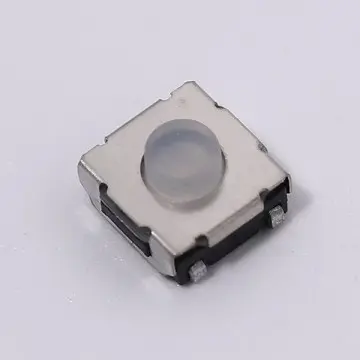
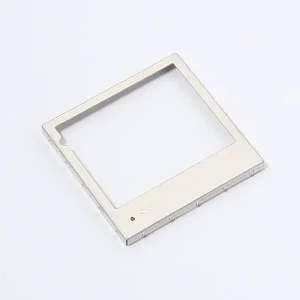
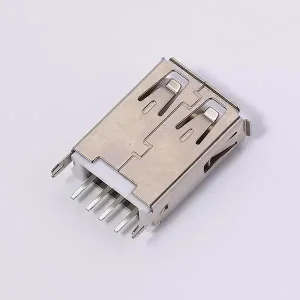
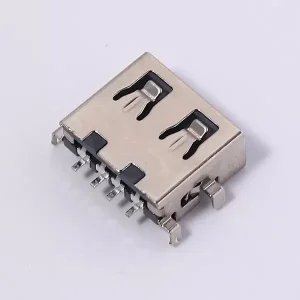
Precision tactile switches, USB interfaces, and power connectors matching Wenzhou Stpete's core production lines.
We understand that supply chain resilience is a primary focus for Finnish purchasing managers and engineers. Whether shipping to assembly lines in Helsinki, logistics hubs in Vantaa, or direct to industrial sites in Lahti and Oulu, Wenzhou Stpete offers tailored delivery programs:
Additionally, we offer stocking agreements to mitigate delivery risks, matching your production schedule for consistent, JIT (Just-in-Time) delivery.
In addition to strict technological processes, we believe that unified organizational cohesion is essential for manufacturing excellence. Stpete regularly coordinates development programs, technical seminars, and team-building events. Working as a cohesive unit translates to better communication across departments, minimizing lead times and production friction.
Expert answers to common engineering questions concerning die-cast heatsinks and custom thermal management.
Unlike standard extrusion, which only produces uniform 2D profiles, high-pressure die casting allows designers to create complex 3D shape variations, such as pin-fins, integrated structural mounting walls, and customized bosses. This integration reduces assembly time, saves space, and cuts down on material waste. Additionally, HPDC alloys like AlSi12 exhibit high corrosion resistance, vital for resisting coastal moisture in Finnish maritime climates.
Standard die casting alloys generally fall within a thermal conductivity range of 110 to 160 W/m·K. While this is lower than pure wrought aluminum (typically 200 W/m·K), it is often offset by the ability to design much higher fin density, optimized airflow paths, and integrated features, resulting in lower system-level thermal resistance ($R_{th}$).
We suggest using clear or black chemical anodizing to increase surface hardness and prevent oxidation. For extreme environmental exposure, epoxy powder coating, electrophoresis, or custom anti-corrosion primers can be applied. These coatings pass salt-spray tests up to 480 hours without bubbling or flaking.
Typically, custom mold design and mold construction take between 25 and 35 days, depending on part size and complexity. First-article samples are shipped via air express for quick evaluation within 5 to 7 days of mold completion.
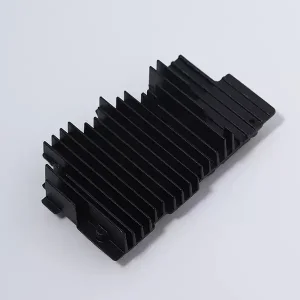
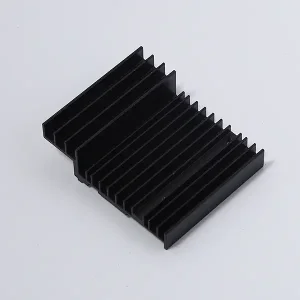
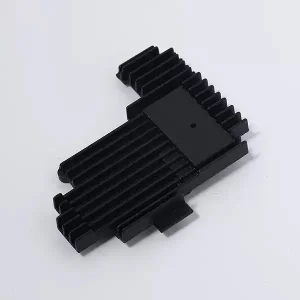
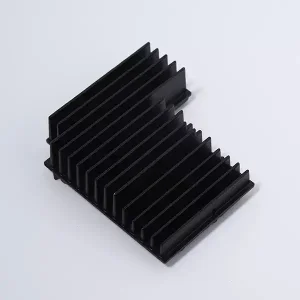
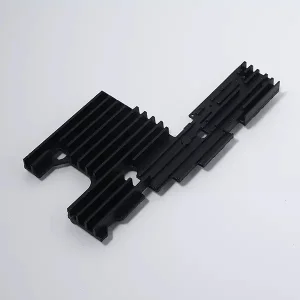
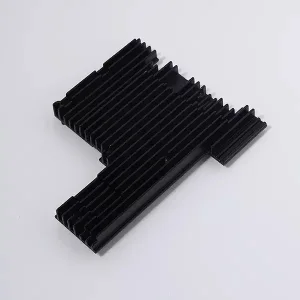
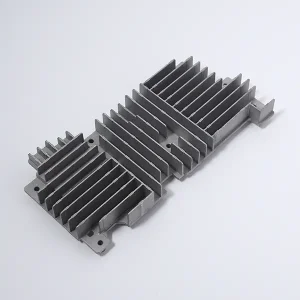
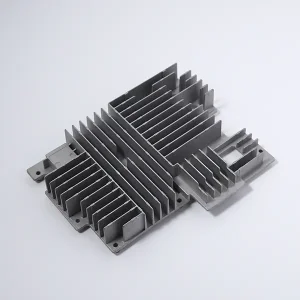
Explore our standard and custom die-cast thermal profiles developed for telecom, automotive, and power modules.
 Stpete Electronics