Explore our core engineered configurations, certified compliance lines, and high-performance system interconnects.
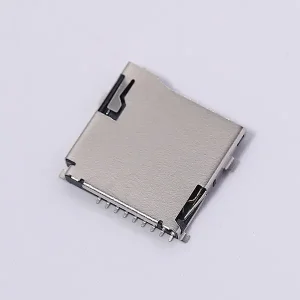
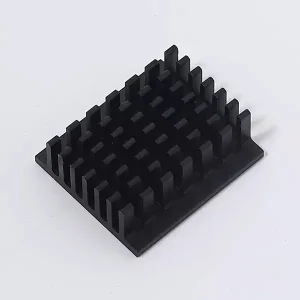
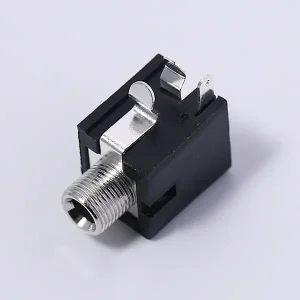
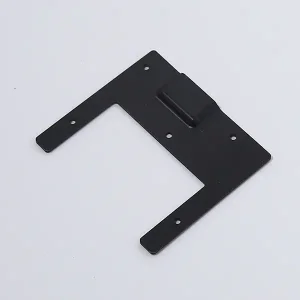
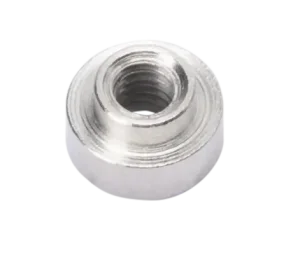
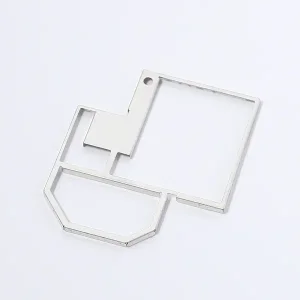
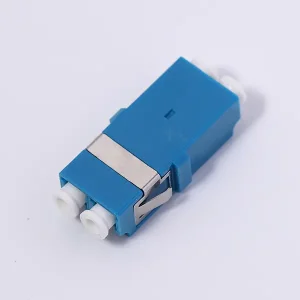
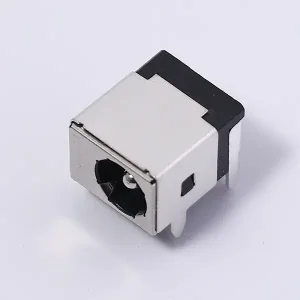
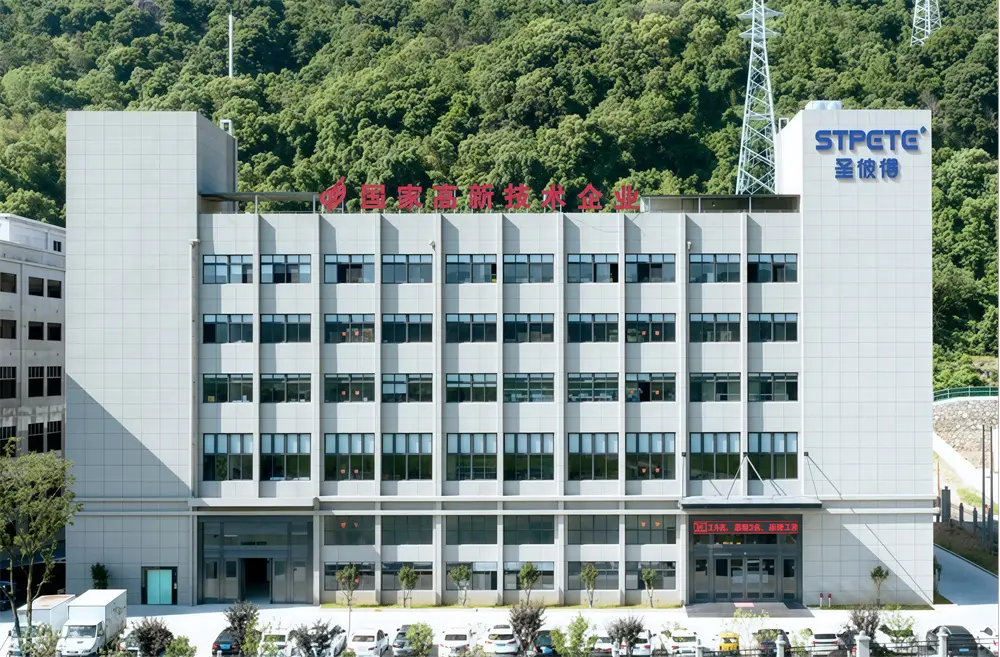
Established in 2005, Wenzhou Stpete Electronics Technology CO., LTD has developed into an internationally recognized, high-tech enterprise. We specialize in the end-to-end design, development, high-volume production, and global sales of premium electronic connectors and custom thermal systems, including state-of-the-art anodized die-casting radiators.
With nearly two decades of precision manufacturing expertise, we have garnered a steadfast reputation across European, American, and Asian industrial markets. Our operational paradigm centers on pairing uncompromising product quality with efficient, transparent trading structures. From standard consumer electronics components to customized thermal solutions, Stpete Electronics supports next-generation technological infrastructure.

Why modern hardware ecosystems demand certified, high-performance anodized heat dissipation systems.
In the current technological landscape, thermal management has transitioned from a supporting engineering challenge to a primary bottleneck in high-performance computing, telecom, and power systems. The exponential growth of AI-driven computing arrays, 5G signal networks, and high-capacity electrical automotive architectures has escalated the demand for high-efficiency heat dissipation. Specifically, the CE Certification Anodized Die-Casting Radiator stands at the forefront of this industrial transition.
Globally, industrial operators are seeking thermal designs that offer high thermal conductivity, low weight, spatial efficiency, and structural integrity. Die casting allows for the formation of complex, high-density fin patterns that are mathematically optimized to generate maximum convective air-flow interaction. By combining this geometry with anodization, engineers create an oxide surface layer that significantly improves radiative heat dissipation while shielding the raw alloy from severe environmental exposure. The European Union and North American markets lead this adoption, enforcing strict CE and RoHS compliance rules across electronic hardware networks.
Standard raw aluminum has an emissivity coefficient of roughly 0.05. Through controlled sulfuric acid anodizing processes, the protective oxide film increases surface emissivity to values exceeding 0.85, accelerating heat discharge through radiative transfer.
Aluminum die-casting alloys (such as ADC12 or A380) offer mechanical stability and high dimensional accuracy. This ensures that the radiator serves as both a structural casing and a thermal conductor, minimizing mechanical fatigue.
Ensures that the electronic thermal enclosure systems conform strictly to European safety standards, including directives on electromagnetic compatibility (EMC), low voltage guidelines, and restricted hazardous substances (RoHS).
Selecting the correct substrate material is critical to achieving target thermal resistance. In our manufacturing facility, we primarily work with high-grade aluminum alloys optimized for thin-wall die casting. While pure aluminum offers high raw thermal conductivity, die-casting alloys are engineered with added silicon and copper to optimize flow characteristics, minimize porosity, and guarantee component durability during rapid cooling phases.
Anodizing is not merely an aesthetic choice; it is an electrochemical conversion process. By submerging the precision-machined aluminum radiator in an acid electrolyte bath and passing an electrical current through it, the aluminum surface converts into a durable aluminum oxide (Al₂O₃) layer. This layer is fully integrated with the underlying substrate, preventing peeling, flaking, or thermal insulation under elevated operating temperatures.
"Increasing the anodized layer thickness from 5 microns to 15 microns dramatically enhances dielectric strength and corrosion resistance (ASTM B117 salt spray testing performance), making the radiator suitable for harsh outdoor industrial enclosures."
| Alloy Grade | Thermal Conductivity (W/m·K) | Silicon Content (%) | Tensile Strength (MPa) | Recommended Applications |
|---|---|---|---|---|
| ADC12 (Al-Si-Cu) | 96 - 120 | 9.5 - 12.0 | 310 | Standard industrial housings, automotive sensors, LED electronic drivers. |
| A380 (Al-Si-Cu) | 96 - 110 | 7.5 - 9.5 | 320 | High mechanical load casings, base station enclosures, heavy-duty electronics. |
| AlSi9Cu3 | 110 - 130 | 8.0 - 11.0 | 290 | Precision thermal fins, high-stress automotive control units, telecommunication converters. |
| AL6063 (Extrusion alternative) | 200 | 0.2 - 0.6 | 186 | Simple geometric fins, linear heat sinks without integrated housing components. |
Our systematic quality assurance pipeline eliminates defect risks from raw materials to final validation.
For St. Peter, quality is always precious, guided by technology and based on safety. From the initial selection of raw materials for the product, to the production line processing, and finally to the inspection and testing process, every step is meticulous. This provides a solid foundation and quality assurance for the product.
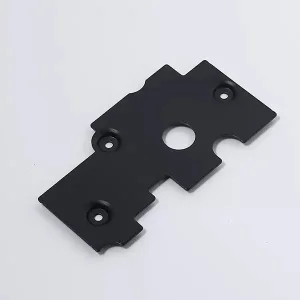
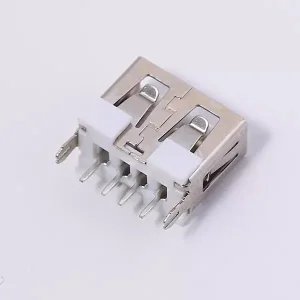
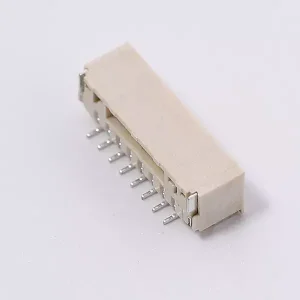
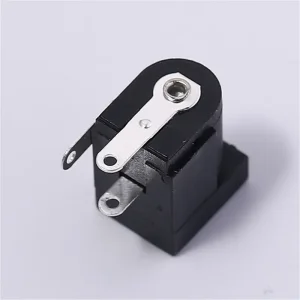
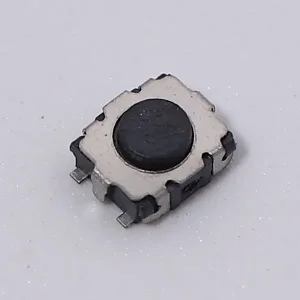
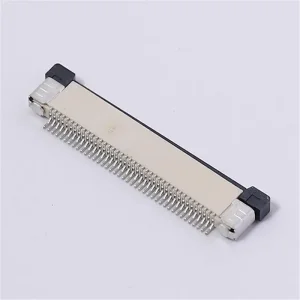
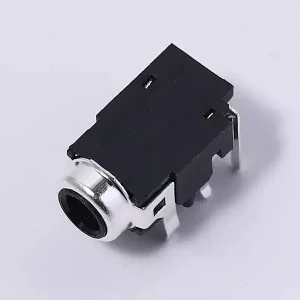
We have a full set of equipment to produce IF RADIO-FREQUENCY TERMINAL, FCB NETWORK JACK, DC POWER OUTLET, USB SOCKET, AV PIN JACK BOARD, RADIATOR and so on. We have several high level punching machine and CNC machine to assure the high accuracy and reliability of production.
Our quality control program utilizes high-accuracy inspection instruments to ensure all incoming raw materials and finished items are fully reliable. Multiple inspection checkpoints are embedded within each assembly step to eliminate out-of-tolerance components before they leave the factory floor. Our adherence to standard protocols has earned us certificates in ISO 9001, ISO 14001, and OHSAS 18001, alongside numerous proprietary design and functional patents.

Leveraging technical innovation as the driving force behind modern electronic packaging and thermal design.
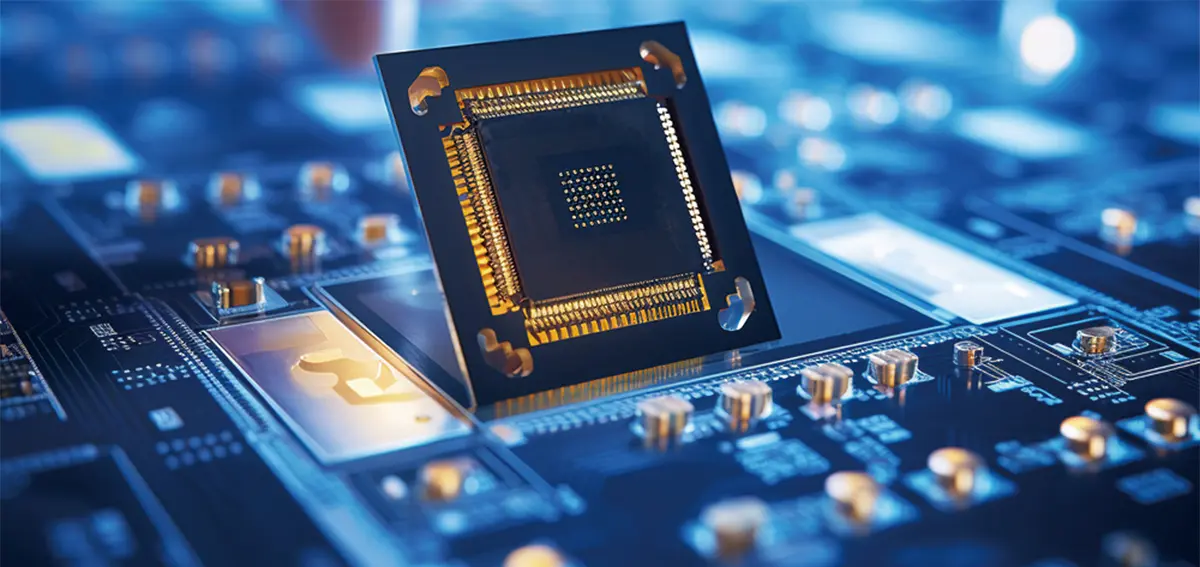
Our engineering backbone features 30+ technical R&D personnel, supported by an annual R&D investment exceeding 15 million yuan. With 21+ research and development patents, we continually advance our product structures.
We trace and document every phase of production. We work closely with top-tier technology brands, including Huawei and Hisense, maintaining compliance criteria that satisfy their demanding product specifications.

Utilizing insert molding, finished product assembly, and automated production technologies, we continuously introduce advanced equipment to scale our production and support high-volume runs with stable yields.
How anodized die-casting radiators perform across different environments and technical installations.
The applications for anodized die-casting radiators range across multiple global industries. In Europe, where sustainability and strict electrical standards prevail, high-capacity solar inverters and wind-energy converter housings utilize these radiators to handle extreme thermal loads without mechanical wear. In North America, the rapid expansion of EV charging stations and automotive control electronics demands thermal units that can withstand outdoor weather conditions, salt exposure, and physical impact. In Asia, the high density of 5G telecommunication base stations presents a challenge for active cooling fans, making passive, low-maintenance, anodized die-casting radiators the industry standard.
5G base station enclosures must function continuously in harsh climates without manual intervention. By anodizing the die-cast aluminum radiator, the external surface becomes resistant to corrosion and acid rain, while the high fin density maintains passive convection cooling for internal power amplifiers.
Electric vehicle traction inverters handle high voltage conversions, generating substantial heat. Our lightweight, die-cast radiator enclosures provide structural protection for high-power transistors while transferring heat away to liquid cooling jackets.
High-bay lighting arrays in manufacturing complexes require passive thermal management to prolong LED lifetimes. Die-cast radiators provide custom geometries that integrate with the fixture design, using anodization to enhance thermal radiation.
Solar energy distribution hubs operate under direct sunlight and high ambient temperatures. Anodized thermal enclosures prevent internal electrical components from reaching critical operating limits, reducing the risk of component degradation.
A forward-looking perspective on material development and advanced thermal architectures.
As microprocessors and power conversion devices approach physical scaling boundaries, the demands on heat sink performance continue to rise. Wenzhou Stpete Electronics Technology Co., Ltd. maintains a dedicated research and development roadmap to address these upcoming thermal requirements:
1. Phase-Change Materials (PCM) Integration: Embedding heat pipes and vapor chambers directly into die-cast structures to bypass the conduction limits of aluminum, facilitating faster lateral heat spreading across high-density fin zones.
2. Advanced Ceramic-Doped Coatings: Developing custom anodization techniques with ceramic fillers to enhance dielectric resistance and further raise the surface emissivity coefficient closer to the theoretical blackbody limit of 1.0.
3. Environmentally Responsible Chemical Processing: Upgrading our chemical lines to reduce energy consumption during the anodization process, utilizing closed-loop water treatment systems that meet global green manufacturing regulations.
We believe that technological innovation is driven by human collaboration. Our company regularly organizes outdoor team-building activities to strengthen cohesion, foster teamwork, and enhance team spirit. These events provide a natural setting for employees to connect and problem-solve together outside the office environment.
These exercises encourage individuals to build trust in their colleagues and recognize the value of working toward shared milestones. As a result, these events support high motivation, reduce work-related stress, and ensure our staff return to their manufacturing and engineering tasks with renewed focus.
Technical answers to common questions regarding anodized die-casting radiators and custom assembly integration.
Explore our secondary lineup of precision-engineered industrial connectors and hardware components.
 Stpete Electronics