The telecommunications industry is undergoing a monumental paradigm shift. With the expansion of 5G networks, the acceleration of cloud computing infrastructures, and the deployment of optical fiber closer to the edge, components like the SC (Subscriber Connector) Fiber Optic Connector have transitioned from mere passive accessories to mission-critical infrastructure components. Globally, fiber optic connectors act as the nervous system joints, facilitating seamless optical path transitions with negligible return and insertion loss.
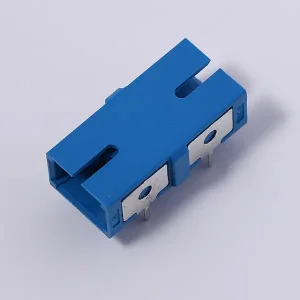
Historically developed by NTT in Japan, the SC connector—often referred to as the "Square Connector"—utilizes a push-pull mechanism to ensure quick latching and prevent contact damage during repeated mating cycles. Globally, single-mode and multi-mode SC connectors represent the majority share of the telecommunications distribution networks, passive optical networks (PON), and cable TV installations. As national grids transition to high-speed optical systems, the demand for suppliers who can guarantee CE Certification has grown exponentially, establishing European Union directive compliance as a strict prerequisite for premium international tenders.
An SC connector features a 2.5mm Zirconia ceramic ferrule at its core. Zirconia offers unparalleled durability, thermal stability, and structural alignment control, keeping concentricity errors below 1.0 micrometer. Alignment precision directly dictates the optical performance parameters:
Maintaining an insertion loss ≤ 0.2dB is essential for high-speed fiber links. Precision-polished ferrules reduce signal attenuation across connections.
Supporting UPC (≥ 50dB) and APC (≥ 60dB) requirements, minimizing back reflection to protect sensitive transceivers from degradation.
A mechanical latching mechanism that withstands over 500 mating cycles without physical degradation or increase in insertion loss.
Polishing styles further refine these optical properties. UPC (Ultra Physical Contact) connectors, recognizable by their blue housings, are optimized for digital optical communication networks. In contrast, APC (Angled Physical Contact) connectors feature an 8-degree angled ferrule surface, shifting reflected light directly into the fiber cladding to achieve return losses exceeding 60dB. This layout is standard in analog RF, CATV, and passive optical network (PON) systems.
For buyers, telecommunications operators, and infrastructure developers, CE Certification is a critical assurance of quality and compliance. The CE marking indicates that the product complies with EU health, safety, and environmental protection standards. For fiber optic connectors and patch cords, this involves meeting requirements under the Electromagnetic Compatibility (EMC) Directive, the Low Voltage Directive (LVD), and RoHS (Restriction of Hazardous Substances) Directive 2011/65/EU.
At Wenzhou Stpete Electronics Technology Co., Ltd., our manufacturing process undergoes strict testing protocols under ISO 9001 and ISO 14001 frameworks. CE compliance ensures that our SC connectors undergo rigorous environmental chamber thermal cycling tests (-40°C to +85°C), mechanical vibration evaluations, and salt mist tests to guarantee that standard operation is maintained under harsh industrial environments.

Wenzhou Stpete Electronics Technology CO., LTD was established in 2005. We are a high-tech enterprise specialized in the development, production, and sales of electronic connectors. We have built a solid reputation among customers at home and abroad for excellent product quality and efficient trading services.
Through two decades of development, we have established our role as a trusted partner to key industries, specializing in high-frequency RF terminals, network jacks, DC outlets, and fiber optic component integration.
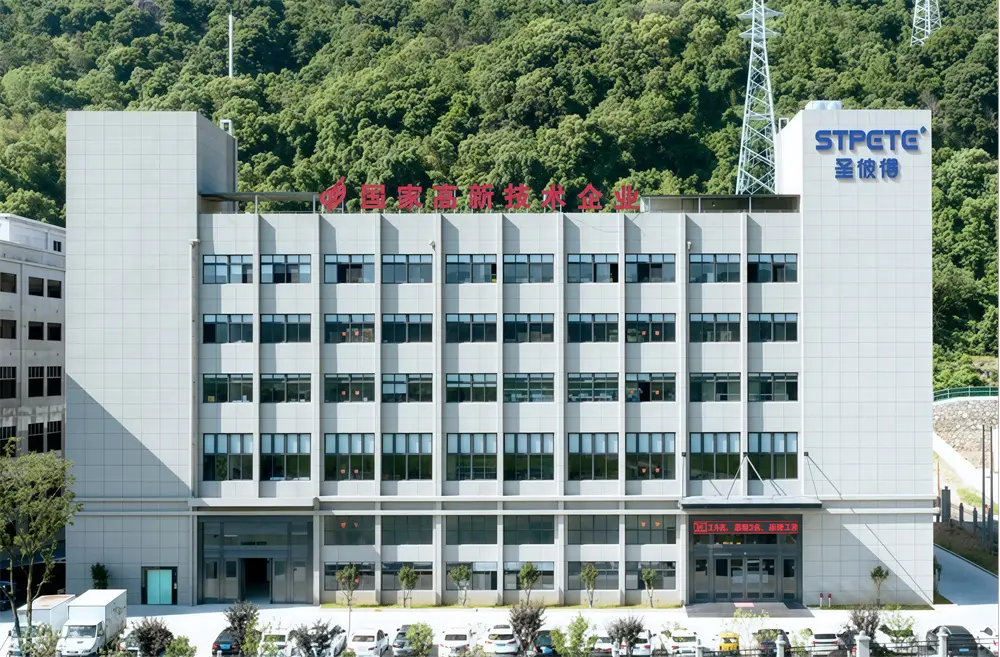
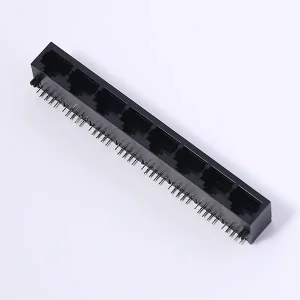
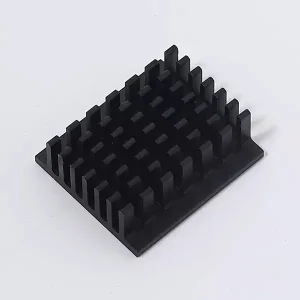
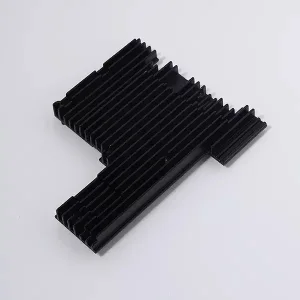
We maintain a complete lineup of manufacturing equipment to produce IF RADIO-FREQUENCY TERMINAL, FCB NETWORK JACK, DC POWER OUTLET, USB SOCKET, AV PIN JACK BOARD, RADIATOR, and more. Our facilities feature high-speed punching and CNC machinery to ensure tight component tolerances and repeatable product quality.
Our inspection laboratory carries out rigorous QA reviews for all incoming materials and finished goods. Certified under ISO 9001, ISO 14001, and ISO 45001, we hold multiple design patents and serve as a reliable ecosystem supplier for tier-one brands including Huawei and Hisense.

By integrating automated insert molding, finished product assembly, and online optical testing, our manufacturing lines balance high-speed throughput with zero-defect quality control.
We continuously upgrade our automated injection molding machines and precision polishers to support high-density, low-loss custom connector requirements for telecommunications and industrial interfaces.
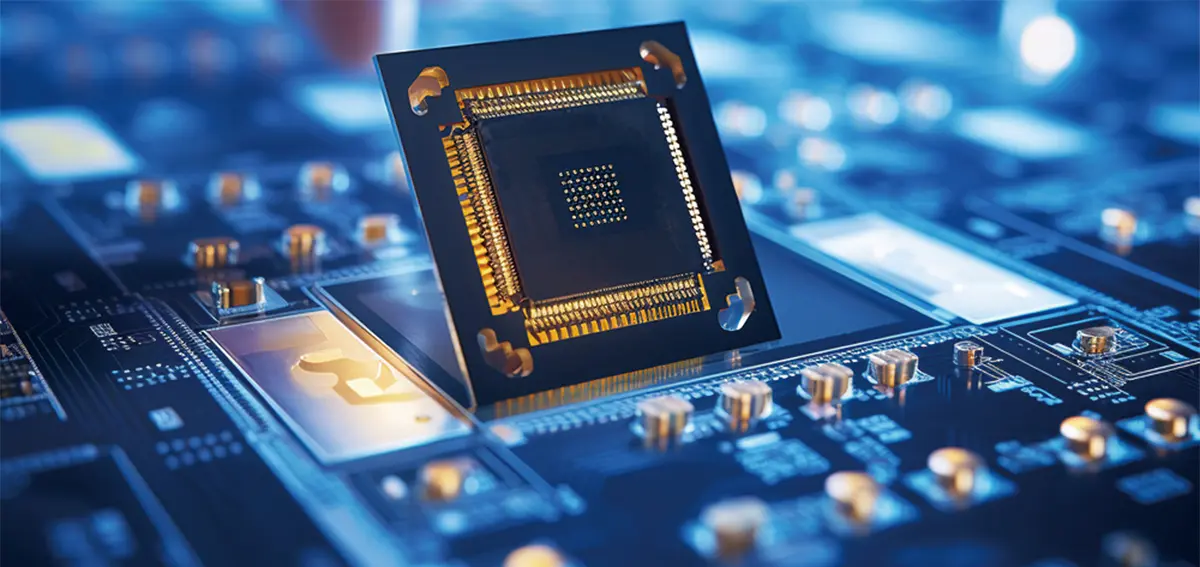
Over 30 technical R&D personnel, annual R&D investment exceeding 15 million RMB, and 21+ active research and development patents driving technological advancement.
From material selection to production line processing, testing, and final packaging, each stage is documented to verify conformity with customer specifications and CE compliance.

Equipped with insert molding, automated terminal assembly, and in-line testing capabilities. We continuously update our equipment to scale production and maintain delivery timelines.
Outdoor team-building activities reinforce internal communication, mutual trust, and collaborative problem-solving across our R&D, quality control, and operations departments.
Modern communication links require specific connector configurations tailored to their operational environments. Fiber deployments generally fall into three key application areas:
As networks transition toward 400G and 800G transmission rates, the demand for optical interfaces is evolving along three key trends:
1. Ultra-Low-Loss Zirconia Formulations: Suppliers are optimizing ferrule polishing processes and material structures to consistently achieve insertion losses below 0.15dB. This performance level is critical for long-distance, unamplified optical paths.
2. High-Density Integration: While SC connectors remain a standard interface, modern equipment often integrates them with LC, CS, and SN connectors to maximize port density in high-density distribution frames.
3. Sustainable, Green Materials: Global manufacturers are shifting toward recyclable, flame-retardant LSZH (Low Smoke Zero Halogen) plastics and energy-efficient molding processes, aligning production with corporate carbon reduction initiatives.
 Stpete Electronics