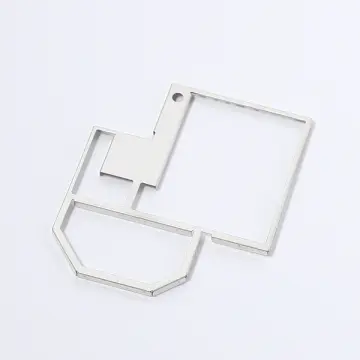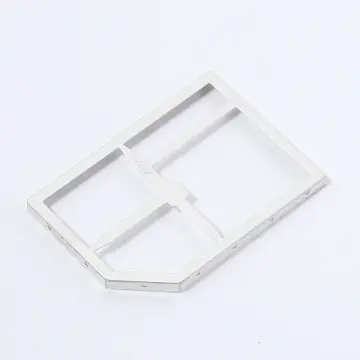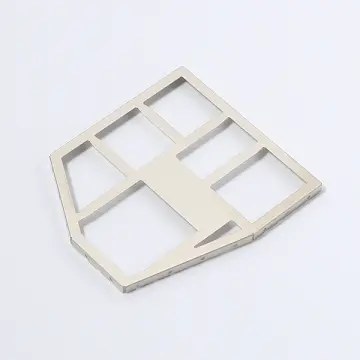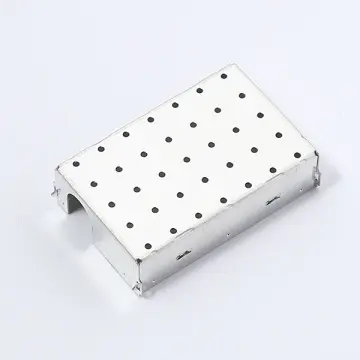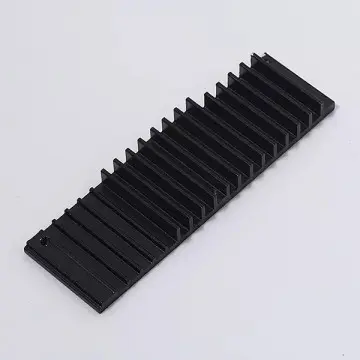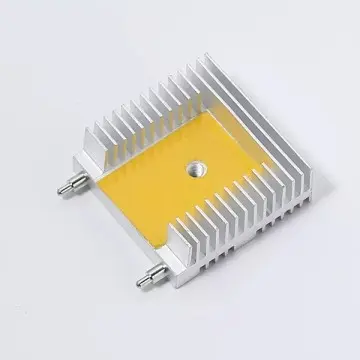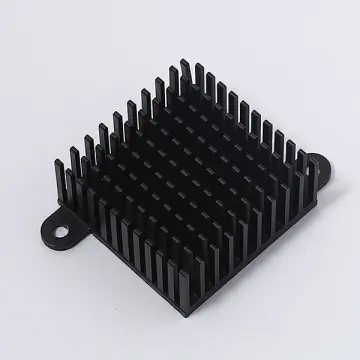
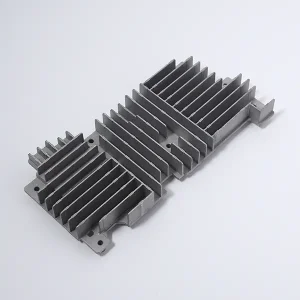
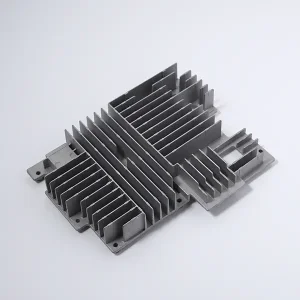
In the rapidly advancing landscape of high-power electronics, electric vehicles (EV), telecommunications (5G/6G), and AI-driven cloud servers, heat dissipation is no longer a trivial consideration. It has become a key limiting factor in systemic efficiency, lifespan, and processing performance. Operating temperatures that exceed nominal silicon junctions compromise structural integrity, expedite component degradation, and lead to early system failure.
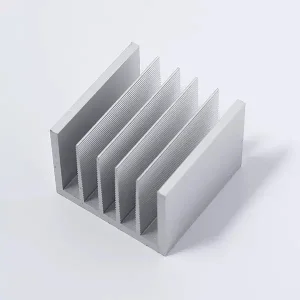
As a response to these challenges, High-Pressure Aluminum Die Casting (HPDC) has emerged as the premier manufacturing technology for complex heat sinks. Compared to traditional extrusion or mechanical CNC milling, die casting permits the cost-effective production of high-density pin arrays, complex cooling fin geometries, integrated chassis enclosures, and thin-walled structural elements. By fusing liquid aluminum alloys into engineered tooling dies at immense pressure, manufacturers achieve superior shape accuracy, thermal pathway design, and density optimization.
Global industrial purchasing operations depend on suppliers that can balance production output, repeatable component tolerance, rapid prototyping speed, and competitive unit economics. Chinese die casting exporters have developed a complete industrial ecosystem that provides distinct supply chain benefits:
From primary smelting of certified ingots to precision multi-axis CNC secondary finishing, and advanced surface treatments (electrophoresis, anodization, and powder coating), every stage of production is located in localized industrial clusters. This reduces external shipping costs and lead times.
Engineers utilize high-fidelity mold flow analysis software to simulate molten aluminum injection, identifying porosity risks, gas traps, and thermal imbalances before cutting steel. Tooling development times are typically reduced by 30% to 40% compared to Western competitors.
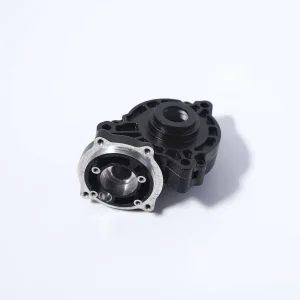
Chinese factories deploy die casting setups ranging from 200 tons up to 4000+ tons clamp force. This capability supports the production of micro-miniature connectors and large, structural automotive inverter covers, allowing companies to consolidate multiple components into a single die-cast part.
Choosing the right alloy requires balancing structural rigidity, die-filling characteristics, corrosion resistance, and thermal conductivity. Below is an engineering comparison matrix designed for hardware developers and global sourcing teams:
| Alloy (Standard) | Silicon Content (Si %) | Thermal Conductivity (W/m·K at 25°C) | Yield Strength (MPa) | Key Applications & Characteristics |
|---|---|---|---|---|
| ADC12 (JIS) | 9.6 - 12.0 | 96 - 105 | 160 | Excellent fluid castability, low shrinkage, most common for standard consumer electronic enclosures. |
| A380 (ANSI) | 7.5 - 9.5 | 96 - 100 | 160 | The standard for structural automotive castings, offering a balanced combination of mechanical strength and moldability. |
| AlSi10Mg (EN) | 9.0 - 11.0 | 110 - 130 | 180 | Higher thermal conductivity and tensile strength. Ideal for aerospace, telecommunication housings, and structural heat sinks. |
| A356 (ASTM) | 6.5 - 7.5 | 150 - 160 | 190 | Optimized for high-stress applications requiring post-casting heat treatment (T6). Commonly used in high-power EV motor housings. |
Aluminum die-cast heat sinks are engineered to function across diverse environments, from stable indoor control cabinets to extreme outdoor infrastructure:
EV on-board chargers (OBC) and power inverters generate significant thermal loads. Die-cast housings feature integrated cooling channels that isolate electronic modules from dust and moisture (IP67/IP69K protection ratings).
Outdoor Remote Radio Units (RRU) and Active Antenna Units (AAU) rely on die-cast enclosures with deep fins. These enclosures support passive convection cooling, protecting internal processors from direct sunlight and wind-driven rain.
Variable frequency drives (VFD) and automated robotic actuators produce heat under continuous load. CNC-post machined die-cast heat sinks maintain close flat tolerances, ensuring optimal contact with IGBT modules.
High-bay industrial lights, sports arena illumination, and streetlights rely on aluminum die casting to dissipate heat from dense LED arrays. This prevents thermal degradation of the diodes and maintains color rendering consistency over time.
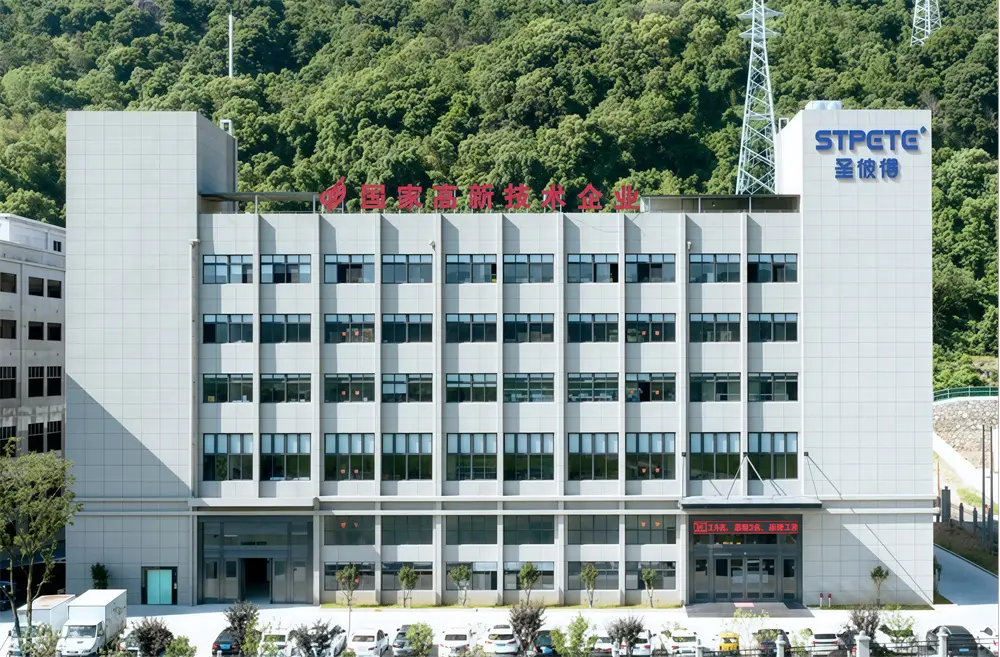
Established in 2005, Wenzhou Stpete Electronics Technology CO., LTD is a certified high-tech enterprise specializing in the development, manufacturing, and international distribution of advanced electronic connectors, customized die-cast heat sinks, and structural hardware components. Over nearly two decades of operation, we have established a reputation as a reliable manufacturing partner for OEMs and Tier-1 suppliers worldwide.
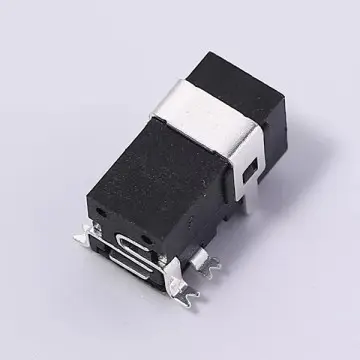
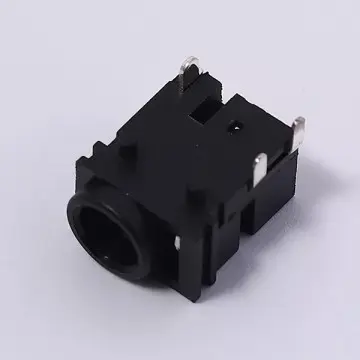
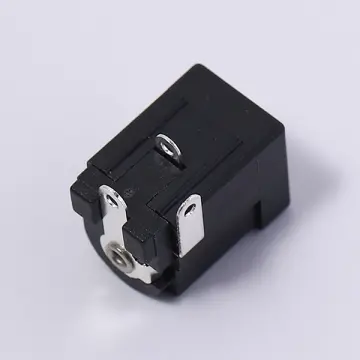
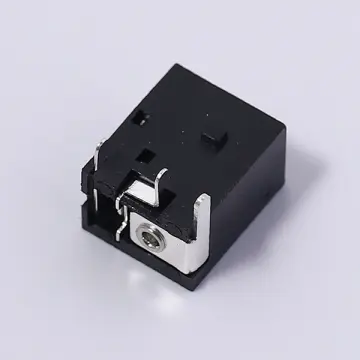
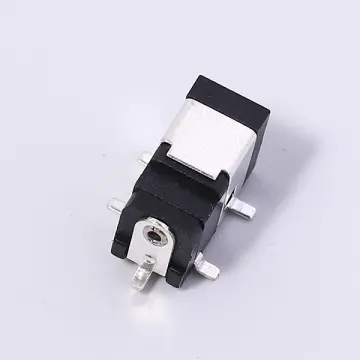
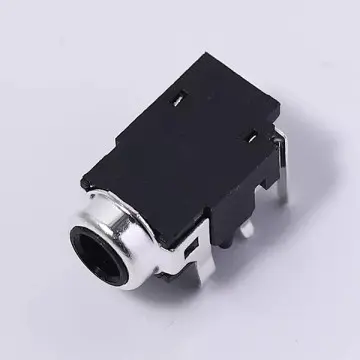
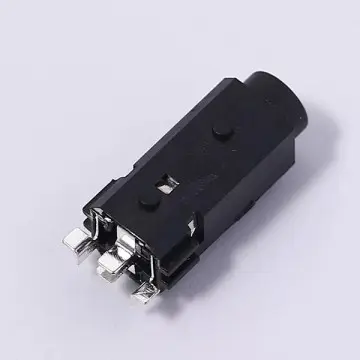
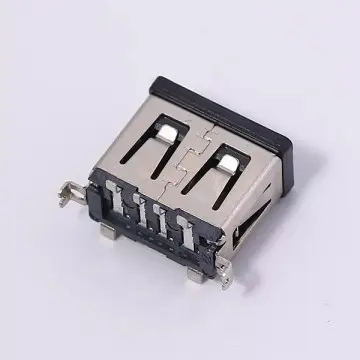
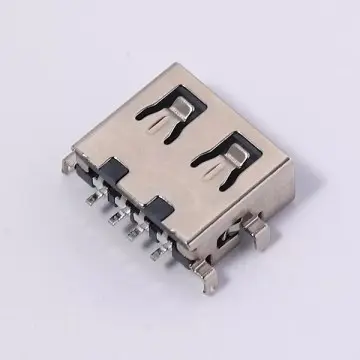
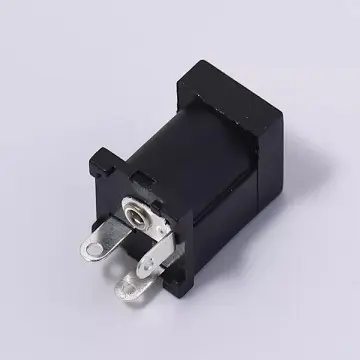
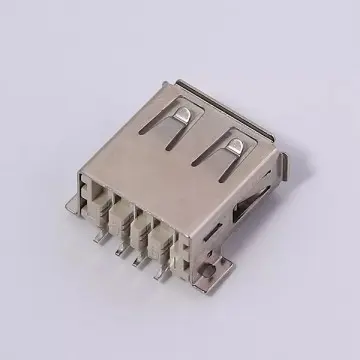
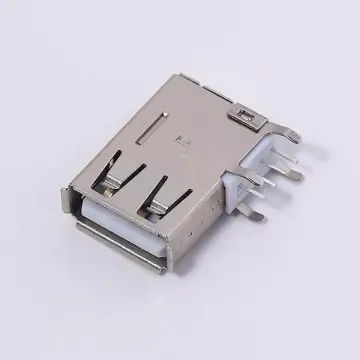
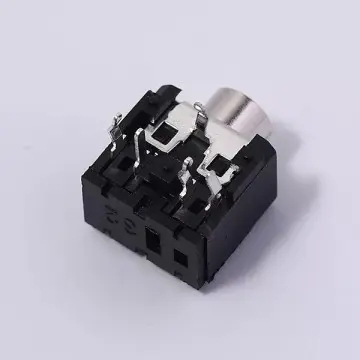
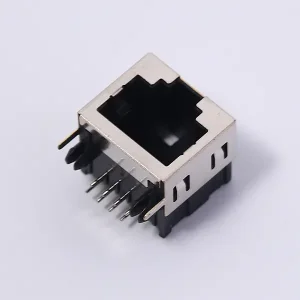
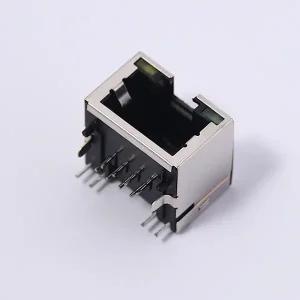
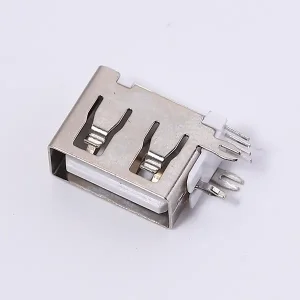
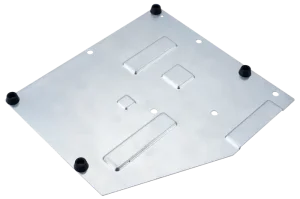
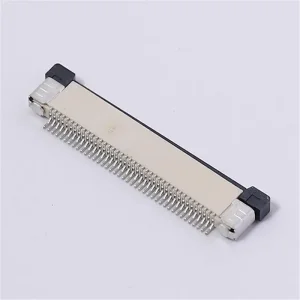
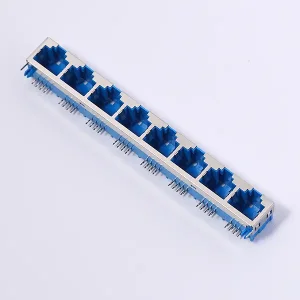
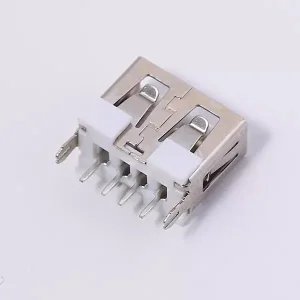
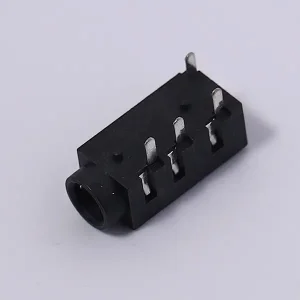
Our facility operates a comprehensive range of machinery, including high-speed precision punching systems, multi-axis CNC centers, EDM wire-cutting setups, and automated die-casting equipment. This tooling allows us to produce high-precision radio-frequency terminals, network jacks (RJ45), DC power outlets, USB sockets, AV pin jack boards, and high-performance radiators/heat sinks.
Quality control is guided by our certified ISO 9001:2015, ISO 14001, and OHSAS 18001 management systems. We work with materials through incoming spectral analysis, coordinate measuring machine (CMM) dimensional checks, and optical projection verification. Our technical team collaborates with technology brands like Huawei and Hisense to deliver components that meet strict performance standards.

With an annual research and development investment exceeding 15 million RMB, our team of more than 30 R&D engineers updates our design techniques and manufacturing workflows. We optimize draft angles, fin geometries, and wall thicknesses through structural and thermal simulation.
We also maintain team-building and training programs. Our regular outdoor activities and skills development workshops help support a collaborative work environment, keeping our production and quality control teams aligned to serve our global client base.
To avoid casting defects like cold shuts, porosity, and gas inclusions, global hardware designers should implement key DFM guidelines for aluminum die-cast heat sinks:
Maintain draft angles of at least 1.5° to 2° for heat sink fins to prevent sticking or ejector pin damage when removing the part from the mold cavity. This ensures clean, unmarred surfaces that maximize thermal contact efficiency.
Ensure the aspect ratio of length to width for individual fins does not exceed 10:1. Excessively long, thin fins can restrict molten aluminum flow during injection, leading to cold shuts and incomplete fin formation.
Keep wall transitions uniform across the casting body. Abrupt thickness variations create localized hot spots, leading to solidification shrinkage, internal voids, and warp defects that can alter the flatness of the thermal interface surface.
Incorporate reference datums within the mold design. This allows for precise alignment during secondary CNC milling processes, ensuring critical surfaces like component mounting bases meet flat tolerances below 0.05 mm.


Building high-quality components requires a collaborative and well-trained workforce. We run continuous training and regular team activities to support cooperation across our design, manufacturing, and quality control departments.
Our regular team events help build communication and trust, which translates to closer collaboration on the factory floor and more effective problem-solving during complex project developments. This focus on team alignment helps us meet strict production tolerances and deliver reliable service to our clients.

 Stpete Electronics