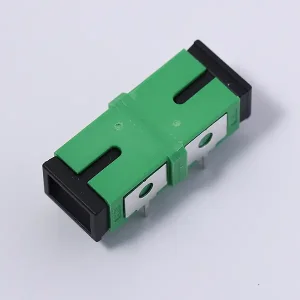
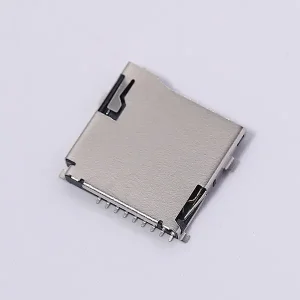
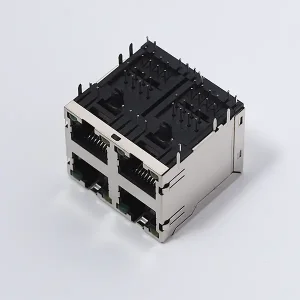
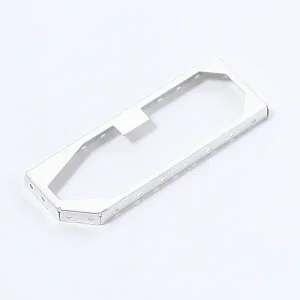
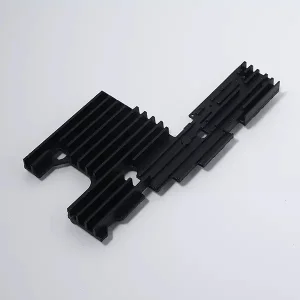
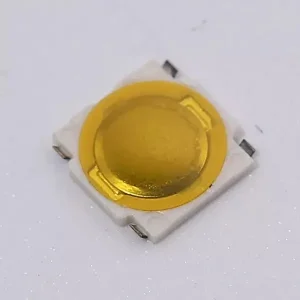
Explore our highly requested connectors, terminals, and precision engineered structural hardware, manufactured under strict ISO guidelines.
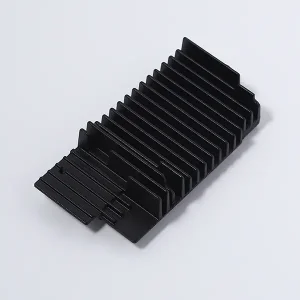
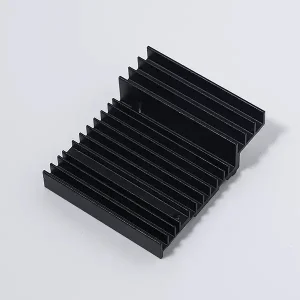
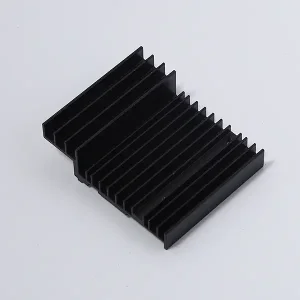
In the modern era of high-density electronic packaging, passive cooling technology has progressed from a secondary mechanical consideration to a primary bottleneck in component reliability. High-performance aluminum heat sinks play a decisive role in preventing premature silicon degradation and maintaining steady junction temperatures across telecommunication processors, automotive control modules, and smart power grids.
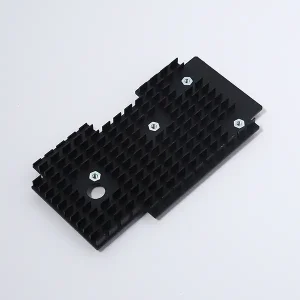
Thermal dissipation efficiency depends not only on the raw conductivity of the chosen alloy but also on surface geometry, micro-structural density, and interfacing optimization. Aluminum Performance Heat Sinks, designed and refined using advanced thermal simulation software, bridge the gap between heavy thermodynamic loads and spatial volume constraints.
By using precision extrusion, multi-axis CNC milling, and cold forging techniques, manufacturers can optimize boundary-layer heat transfer and fin configurations to match complex airflows. This is particularly crucial in applications involving localized heat flux densities exceeding 100 W/cm², where conventional passive cooling methods without geometric and material optimizations fail rapidly.

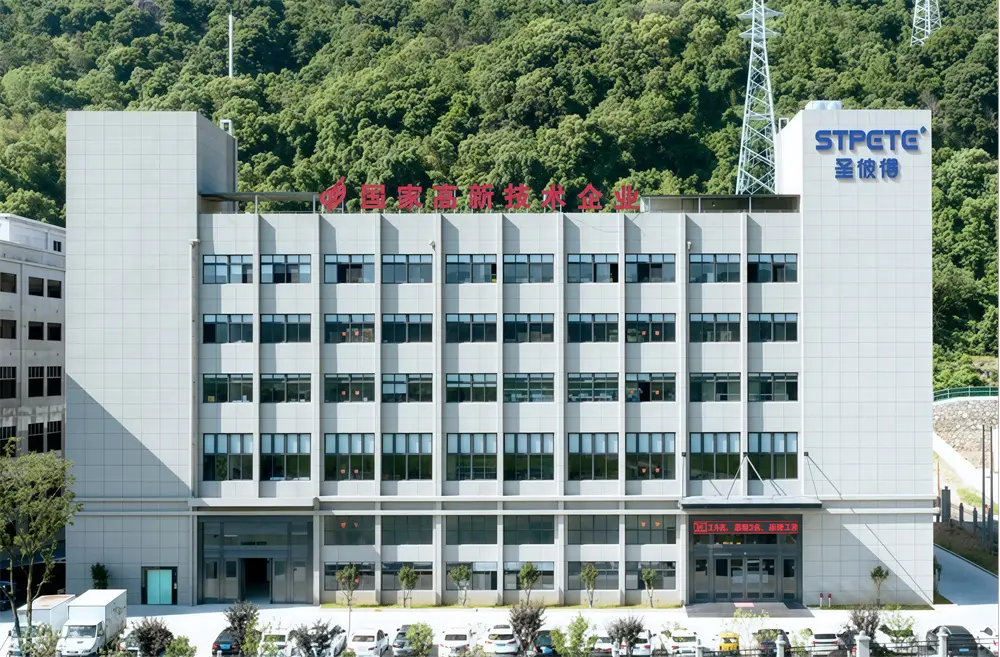
Established in 2005, Wenzhou Stpete Electronics Technology Co., Ltd. is a high-tech enterprise specialized in the research, development, production, and sales of electronic connectors and thermal management solutions. Over the past two decades, we have built an excellent reputation among customers worldwide by focusing on product reliability, engineering expertise, and streamlined international trading services.
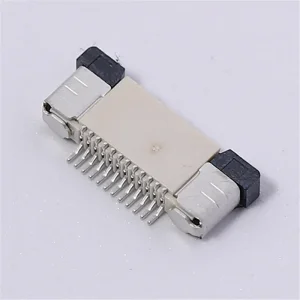
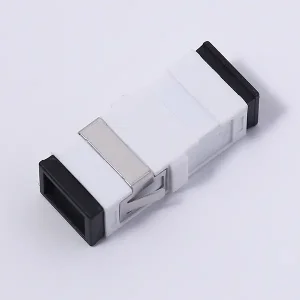
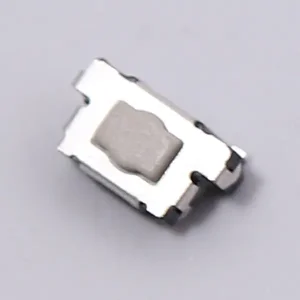
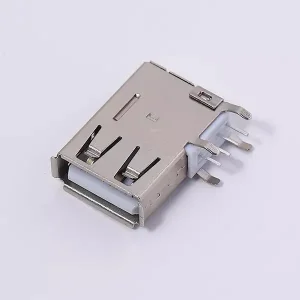
We maintain comprehensive manufacturing capabilities to produce IF radio-frequency terminals, FCB network jacks, DC power outlets, USB sockets, AV pin jack boards, and high-performance radiators/heat sinks. Our facility is equipped with high-tonnage precision punching machines, multi-axis CNC machining centers, and automated optical inspection systems to ensure the dimensional accuracy and structural integrity of our entire product catalog.
Understanding supply chain vulnerabilities, cost-optimization models, and material quality standards for international industrial purchasing.
Procuring raw aluminum components requires balancing initial tooling fees against unit extrusion costs. By purchasing directly from China-based manufacturers with integrated secondary processes (e.g., anodizing, milling, custom stamping), global enterprises can lower assembly costs while maintaining high quality.
Impurities within aluminum alloys can degrade thermal performance. High-performance extrusions rely on standard-compliant 6000-series alloys (like AL6063 or AL6061) with silicon and magnesium concentrations optimized to maximize thermal conductivity without sacrificing tensile strength.
Market cycles demand responsive engineering and short delivery windows. Partnering with suppliers that have vertically integrated manufacturing channels—from CAD modeling to extrusion, thermal testing, and shipping logistics—helps mitigate supply delays and cost fluctuations.
The electronic cooling market is shifting towards hybrid components that combine multiple thermal technologies. Our current technical roadmap highlights several major industry milestones:
Wenzhou Stpete Electronics works to implement these emerging technologies in commercial production, ensuring our global buyers can access future-proof cooling designs.

How Wenzhou Stpete Electronics ensures reliable quality control and delivers customized OEM/ODM components.
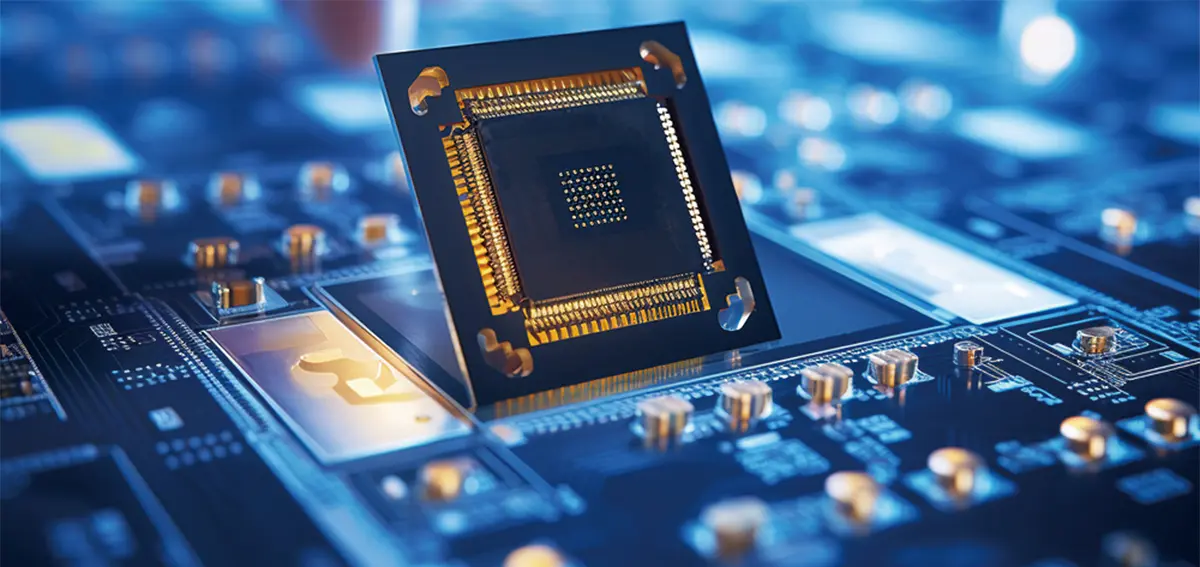
Our team includes over 30 technical research and development professionals. Backed by an annual R&D investment exceeding 15 million yuan, we hold 21 research and development patents. We collaborate with domestic and global technology leaders, including Huawei and Hisense, to develop high-performance components.
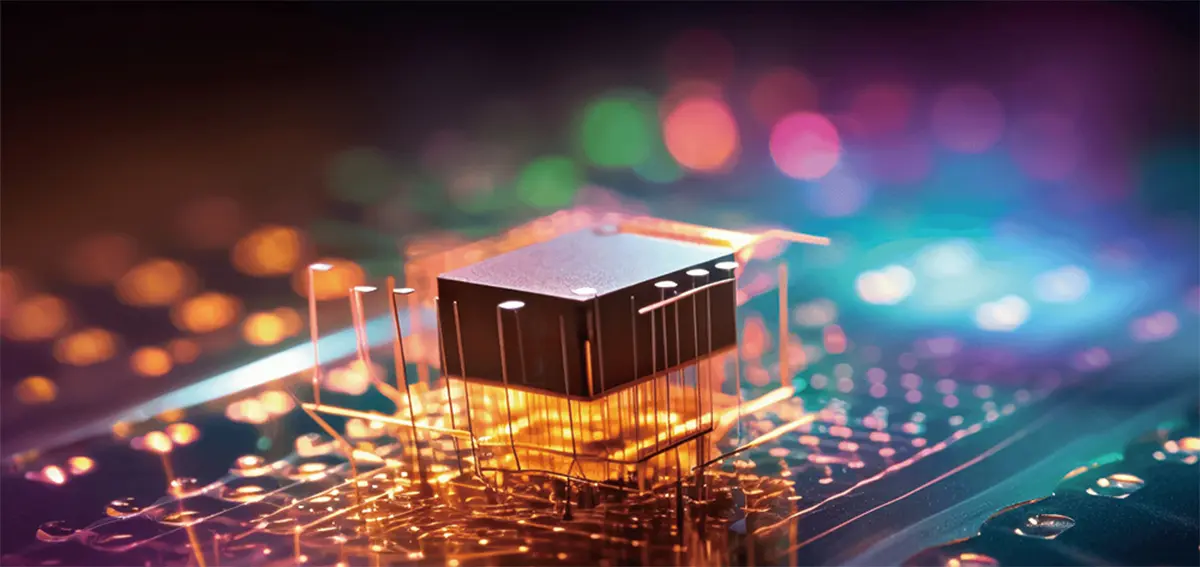
Quality is a foundational priority for our business. From raw material inspection to production monitoring and final shipment verification, every step is carefully audited. We maintain ISO 9001, ISO 14001, and ISO 45001 (18001 equivalent) certifications, which supports consistent high-accuracy results.

Our factory utilizes insert molding, semi-automated assembly, and high-precision CNC machining. We invest in modern equipment to increase production efficiency and accommodate large-scale custom hardware requests from international buyers.
Our company organizes outdoor team-building activities to strengthen internal communication and foster teamwork. These events, held in natural settings, provide an opportunity for employees to bond, collaborate, and problem-solve outside of the structured office environment.
Our training activities include team-based challenges that require coordination and quick thinking. These exercises encourage our engineers, R&D staff, and production teams to build trust, align on common goals, and return to work with renewed energy to support our international client base.
Expert technical answers to common questions raised by procurement managers and design engineers.
For inquiries about our products, customization services, or price lists, contact our support team. We will respond with a technical assessment within 24 hours.
Contact Our Engineering TeamHigh-durability switching solutions and RF connectors designed for integration with custom radiator frameworks.
 Stpete Electronics