High-reliability engineering components tailored for extreme environments, telecommunication infrastructures, and power electronics.
An authoritative analysis of heat sink optimization, surface treatments, and material sciences in modern electronics.
In the rapidly evolving landscape of high-performance computing, telecommunications, and electric vehicle (EV) automotive architectures, thermal management has transitioned from a supporting engineering discipline to a critical bottleneck governing system reliability and longevity. As chips shrink and operating frequencies soar, the heat flux density inside power modules and CPU arrays has surpassed historic limits. Solving this challenge requires deep thermodynamic knowledge, precise material choices, and advanced surface modification technologies. At the heart of these passive thermal control structures lies the Anodized Aluminum Heat Sink.
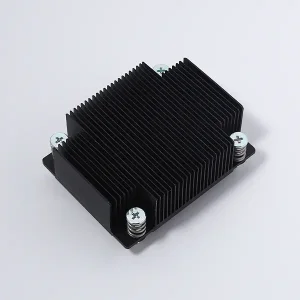
Aluminum is widely acknowledged for its exceptional bulk properties—primarily its high thermal conductivity (ranging from 160 to 220 W/m·K depending on the specific alloy grade) paired with a low density, which makes it an ideal substrate for structural heat dissipation. However, raw aluminum exhibits a crucial thermodynamic vulnerability: a low surface emissivity of approximately 0.05. This represents an extremely poor capacity for radiative heat transfer. Left untreated, a bare aluminum heat sink transfers heat almost exclusively via conduction and convection. In stagnant air conditions or enclosed systems where convection is limited, this represents a massive inefficiency. Anodization solves this thermodynamic problem.
Thermodynamic Principle: By implementing controlled electrochemical oxidation, anodization converts the aluminum surface into an integrated aluminum oxide (Al₂O₃) layer. This nanostructured layer shifts the surface emissivity of the heat sink from a negligible 0.05 up to a highly efficient 0.85 to 0.90. In radiative heat transfer models, this correlates to a substantial reduction in junction temperature under high heat loads.
Beyond radiative optimization, the anodic oxide coating provides critical electrical insulation. In close-packed electronic packages, thermal dissipation paths are often located near high-voltage circuits. The dielectric breakdown strength of the thin anodized layer (usually between 10 to 50 micrometers thick) allows engineering teams to minimize or completely eliminate bulky electrical isolation pads, reducing the thermal resistance across the component-to-heatsink interface. Additionally, the microscopic porous structure of the anodic film acts as a highly receptive base for specialized polymer thermal interface materials (TIMs), maximizing surface contact and preventing micro-void air pockets that act as thermal barriers.
Anodizing changes the surface texture on a nanoscale, raising emission efficiency to 90% and optimizing radiative thermal pathways.
The Al₂O₃ oxide layer provides high dielectric breakdown voltage protection, preventing electrical leakage and short circuits.
Extends the life of electronic assemblies in harsh operating environments, resisting salt spray, humidity, and chemical exposure.
Over two decades of precision engineering, advanced manufacturing, and strategic component development.
Established in 2005, Wenzhou Stpete Electronics Technology CO., LTD is a certified high-tech enterprise specializing in the design, engineering, R&D, and commercial-scale production of high-performance electronic connectors and thermal management solutions. Over the past 20 years, we have built an international reputation for superior product quality, engineering innovation, and responsive customer service.
Our strategic location and fully integrated manufacturing floor allow us to handle all processes in-house—from initial raw material selection and metallurgical inspection to high-speed progressive stamping, precision CNC machining, custom anodization, and automated component testing. We partner with some of the world's most demanding technology brands, including domestic and international giants such as Huawei and Hisense, supplying critical connection and cooling sub-systems that power telecom base stations and consumer electronics.

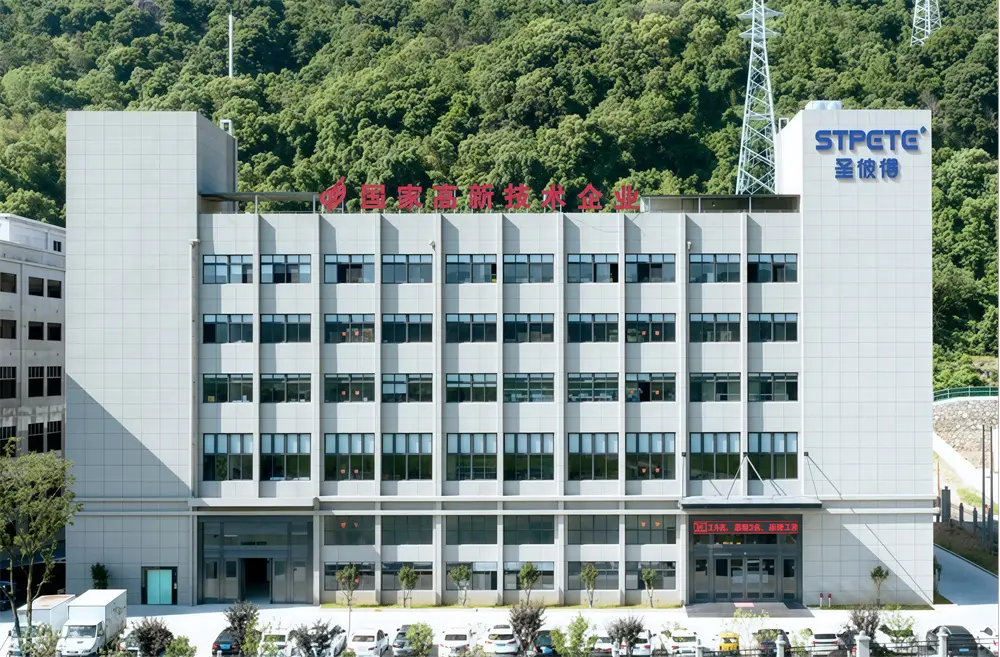
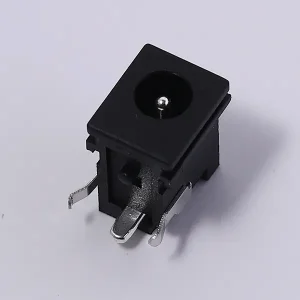
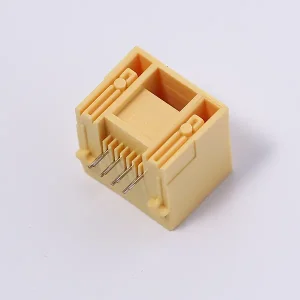
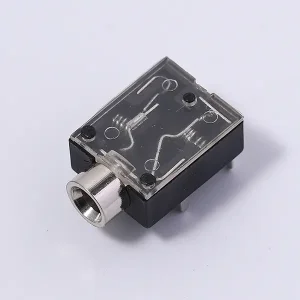
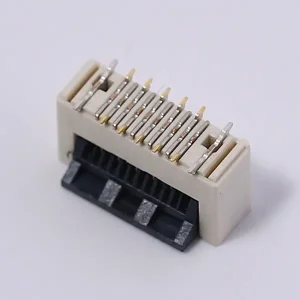
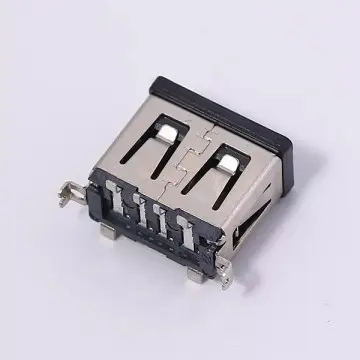
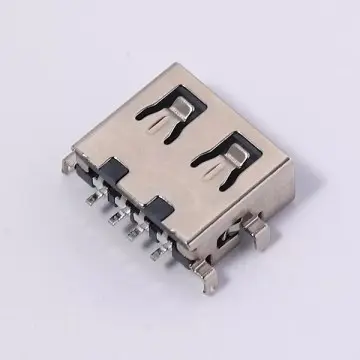
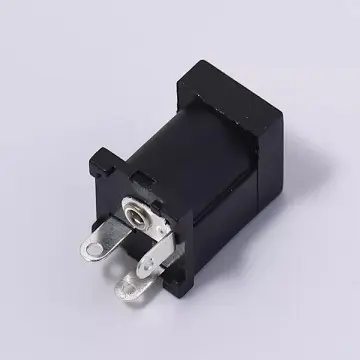
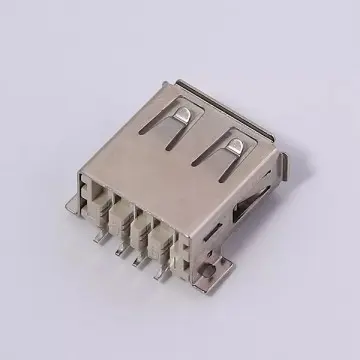
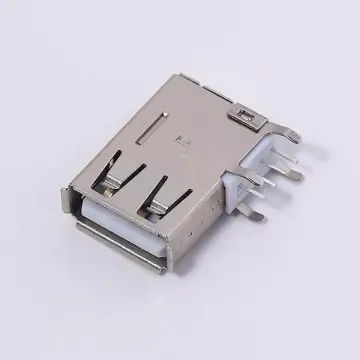
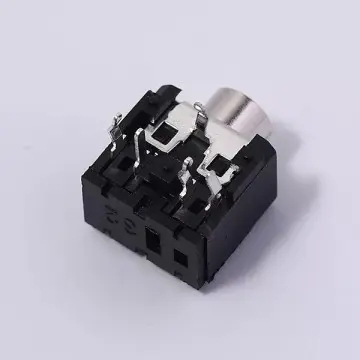
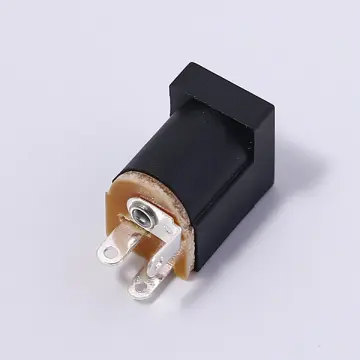
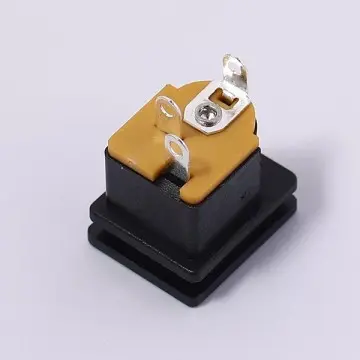
To guarantee structural accuracy and mechanical integrity, Wenzhou Stpete Electronics has invested heavily in state-of-the-art manufacturing hardware. Our facilities are equipped with specialized machinery to produce IF Radio-Frequency Terminals, FCB Network Jacks, DC Power Outlets, USB Sockets, AV Pin Jack Boards, and custom Radiators/Heat Sinks.
Our mechanical shops run advanced high-speed punching presses and multi-axis CNC machines to achieve micron-level manufacturing tolerances. Rigorous multi-stage quality gates monitor every step of production. From raw alloy inspection (ICP-OES testing) to automated visual sorting systems, we ensure that zero defects leave our factory floor. Our management and design workflows are fully certified to ISO 9001, ISO 14001, and ISO 45001 (18001) safety and environmental standards.
Collaboration & R&D Excellence: With a specialized engineering team of more than 20 dedicated R&D specialists, Stpete holds dozens of national design patents. We regularly collaborate with research institutions to push the limits of thermal dissipation efficiency and miniaturized connector reliability.
Our capabilities encompass insert molding, high-volume progressive assembly, and semi-automated production lines. We believe that technological innovation is the most critical driver of long-term commercial success. Annually, we reinvest substantial capital into upgrading our equipment and designing new custom connectors and thermal modules for high-frequency operations.
By keeping raw tooling design, manufacturing, plating, and testing under a single roof, we minimize supply chain vulnerabilities, shorten turnaround times for custom tooling requests, and maintain tight control over product quality.

Tailoring thermal management and electrical connection solutions to the specific challenges of global high-growth industries.
Remote Radio Units (RRUs) and Active Antenna Units (AAUs) are exposed to extreme outdoor weather conditions, solar heat, and high operational heat loads.
Stpete Solution: High-emissivity black anodized extruded heat sinks paired with our heavy-duty weather-sealed RJ45 connectors and RF terminals ensure continuous up-time and zero-signal degradation even at 60°C ambient temperatures.
On-board chargers (OBC), motor controllers, and battery management systems (BMS) require rugged components that can handle structural vibrations and thermal cycling.
Stpete Solution: Custom CNC milled heat sinks with Type III hard anodizing provide high wear resistance and electrical isolation, preventing dielectric breakdown from high-voltage transients.
Variable frequency drives (VFDs) and high-power PLCs operating in dusty, corrosive industrial environments run the risk of thermal runaway.
Stpete Solution: Corrosion-resistant clear anodized heat sinks designed with high-density fin ratios, coupled with custom gold-plated PCB connectors for maximum contact reliability.
Navigating the transition toward high-density chip integrations, phase-change cooling, and sustainable manufacturing.
As microprocessors push past 400-watt power envelopes, traditional aluminum extrusion heat sinks are reaching their physical limits. To support next-generation compute hardware, Stpete Electronics is developing advanced hybrid cooling technologies. Our R&D roadmap focuses on three main developments:
Over 30 technical R&D personnel, managing a 15 million+ Yuan annual budget and owning 21+ national patents.
Rigorous inspections at every production stage, from raw material validation to final packaging testing.

State-of-the-art CNC machining, insert molding, and progressive stamping capability.
Strong organizational alignment and engineering collaboration translate directly to reliable product execution.
In this summer, our company organized an outdoor team-building activity to strengthen cohesion and foster teamwork. The event took place in a picturesque natural setting, providing a perfect backdrop for enhancing team spirit and collaboration. The team-building activity was designed to promote unity and cooperation among the employees. Through a series of challenging and fun exercises, the participants had the opportunity to work together, communicate effectively, and problem-solve as a team. It was a great chance for everyone to bond, both personally and professionally, outside the confines of the office environment.
One of the highlights of the day was a series of team-based challenges that required trust, coordination, and quick thinking. These activities encouraged individuals to step out of their comfort zones, build trust in their colleagues, and see the value of working together towards a common goal. As a result, the event not only improved teamwork but also boosted morale and motivation within the company.
Furthermore, the outdoor setting provided a refreshing change of scenery, allowing everyone to unwind and connect with nature. This change of environment helped in reducing work-related stress and promoting a sense of well-being among the participants. It was a great opportunity for the team to relax, recharge, and return to work with renewed energy and enthusiasm.
Answering the most critical thermodynamic, mechanical, and logistical questions from global design engineers.
Raw aluminum has a highly reflective surface with an emissivity of about 0.05. Anodizing creates an aluminum oxide layer that increases surface emissivity to 0.85-0.90, significantly improving radiative heat dissipation. Additionally, the anodized coating provides electrical isolation and protection against environmental corrosion.
While the anodized layer increases emissivity, aluminum oxide has a lower thermal conductivity (approx. 30 W/m·K) than pure aluminum (approx. 200 W/m·K). Therefore, the thickness must be carefully optimized. For standard heat sinks, a layer thickness between 10 and 20 micrometers balances optimal emissivity with minimal conductive thermal resistance.
6063 aluminum offers higher thermal conductivity (approx. 200-209 W/m·K) and is highly ductile, making it ideal for complex extrusion profiles. 6061 aluminum has slightly lower thermal conductivity (approx. 167-180 W/m·K) but offers higher tensile strength and structural hardness, making it preferred for CNC-machined parts that require high mechanical rigidity.
Yes. Our engineering department uses computational fluid dynamics (CFD) simulation tools to analyze airflow and thermal performance before fabrication. We specialize in custom alloy extrusions, CNC precision detailing, and custom surface anodization colors based on customer specification drawings.
Our manufacturing facilities are ISO 9001 and ISO 14001 certified. We run continuous material trace inspections, regular salt-spray corrosion tests (up to 72 hours), insulation resistance tests, and 3D coordinate measurement machine (CMM) dimensional checks to ensure all exports comply with international environmental and electrical safety directives.
High-reliability connector systems and components certified for enterprise-level deployment.
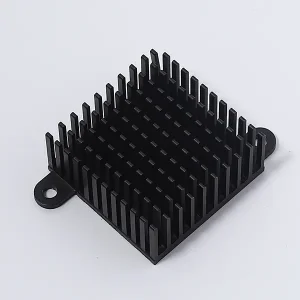
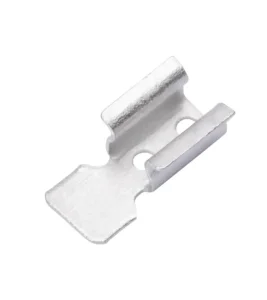
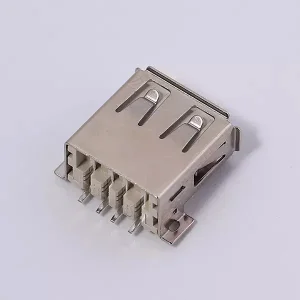
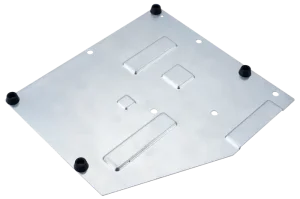
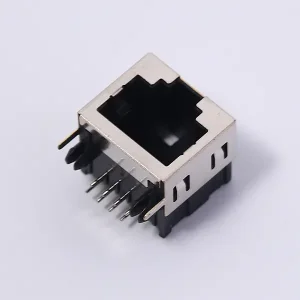
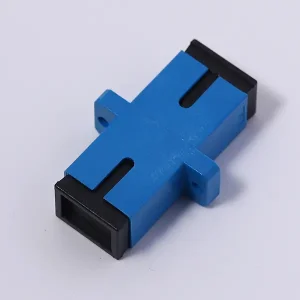
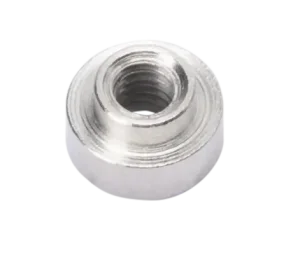
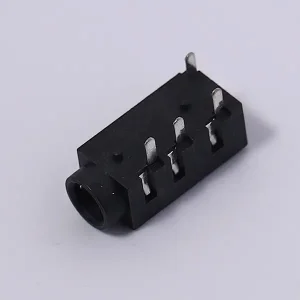
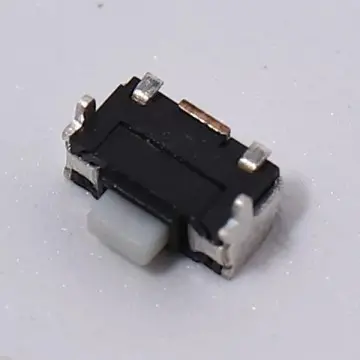
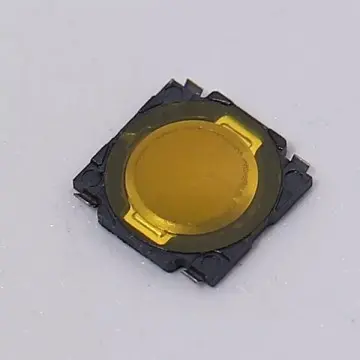
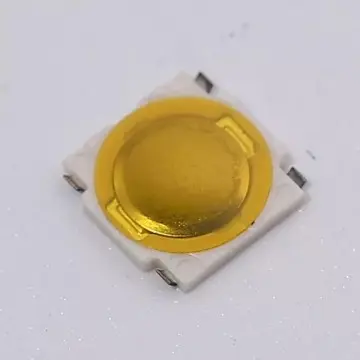
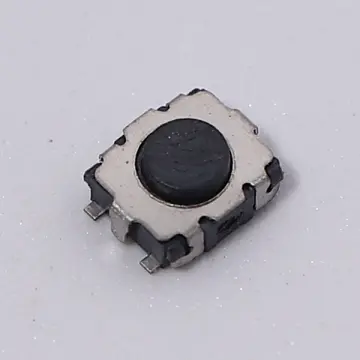
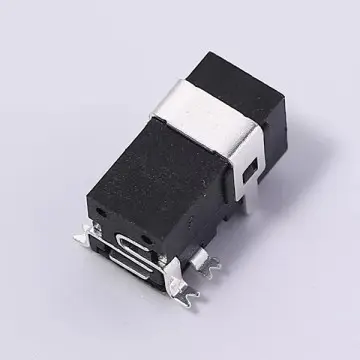
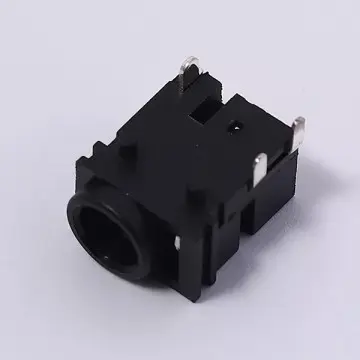
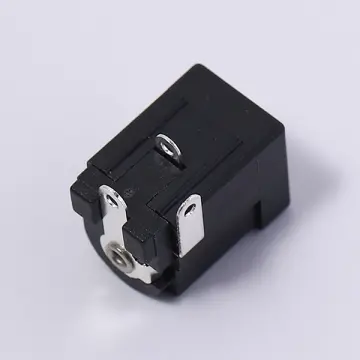
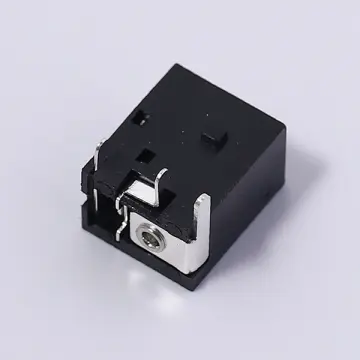
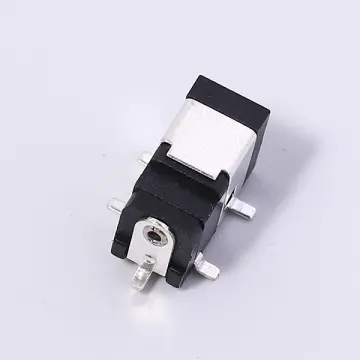
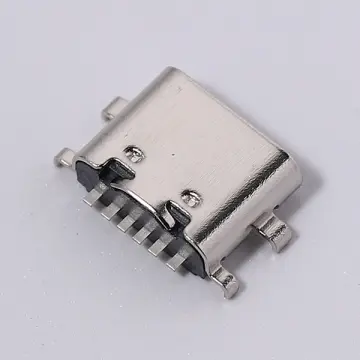
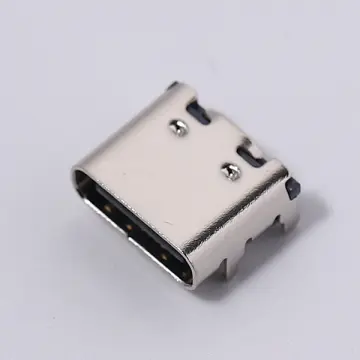
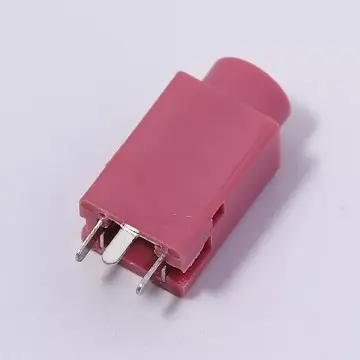
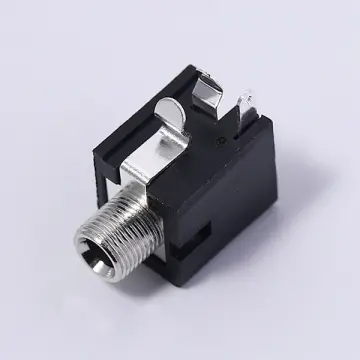
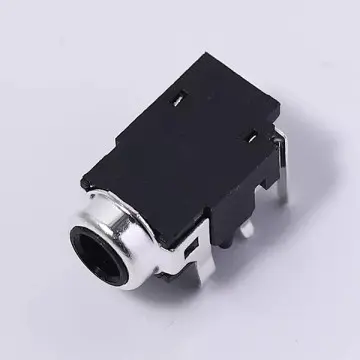
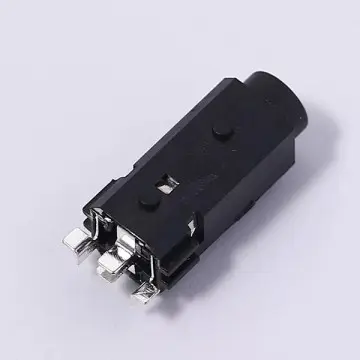
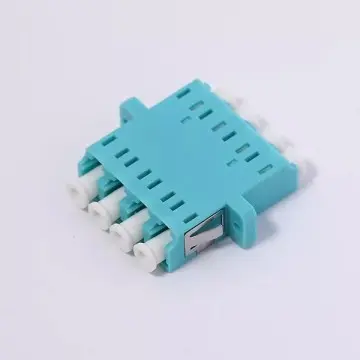
Browse our complete product range, including tact switches, connectors, and specialized audio/data interfaces.
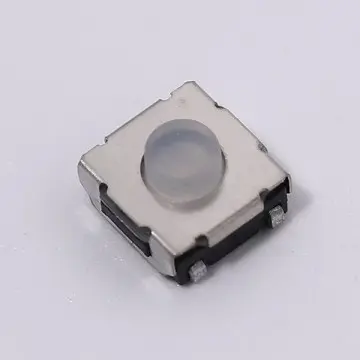
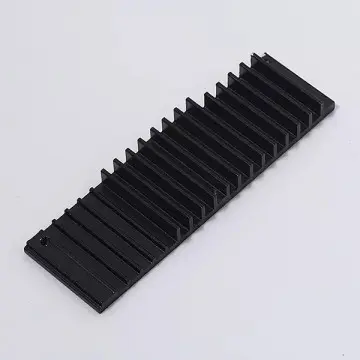
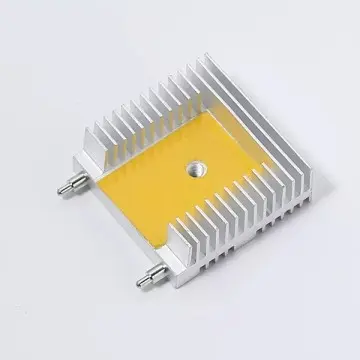
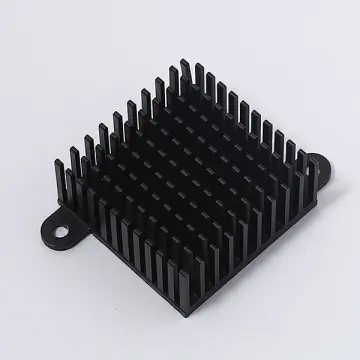
For inquiries about our custom heat sink extrusions, anodization finishing, high-frequency connectors, or detailed price lists, please leave your inquiry below. Our application engineering team will reply with a complete analysis within 24 hours.
Submit RFQ Online Stpete Electronics