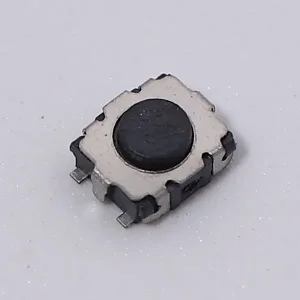
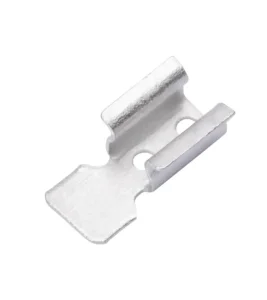
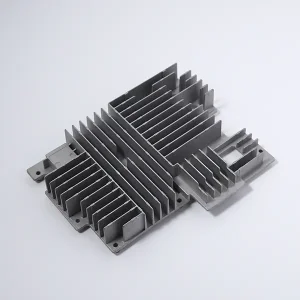
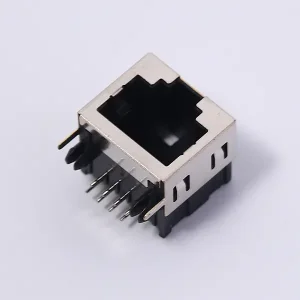
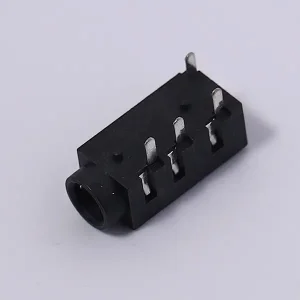
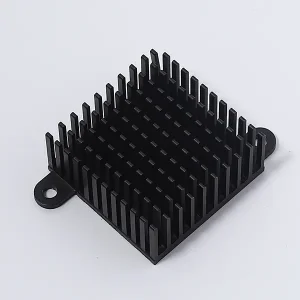
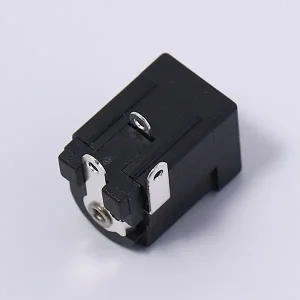
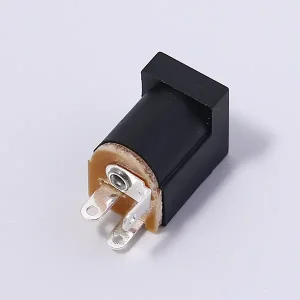
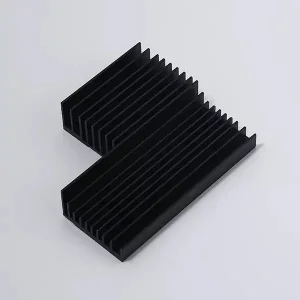
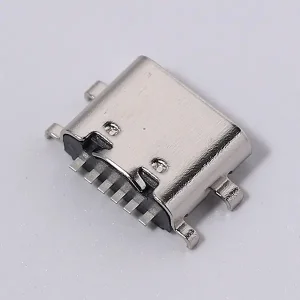
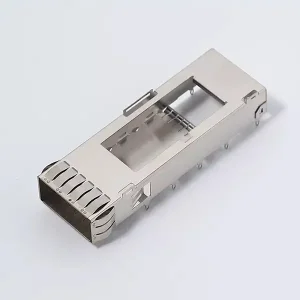
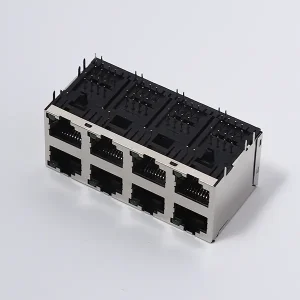
Explore our primary electronic component offerings, engineered for high reliability, excellent mechanical stability, and compliance with strict industrial standards.
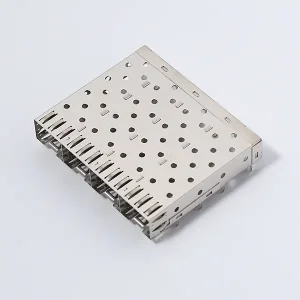
In modern electronic engineering, electromagnetic interference (EMI) and radio frequency interference (RFI) present significant degradation risks to signal integrity. A Bent Shielding Cover, often designated as a board-level shield (BLS) or metal screening can, acts as a localized Faraday cage. By encapsulating critical components—such as RF transceivers, microprocessors, and power management units—these covers block radiative coupling and protect delicate components from external noise fields.
As a leading Chinese designer and manufacturer, Wenzhou Stpete Electronics Technology Co., Ltd. leverages decades of experience to execute precision bending, deep-drawing, and customized punching processes. Our stamping processes achieve micron-level accuracy, ensuring flat contacts, minimal coplanarity deviation, and flawless SMT surface-mount processing for high-volume automated production lines.

How macroelectronic integration, 5G infrastructure expansion, and automotive electrification are reshaping the demands for metal shielding covers globally.
With the adoption of high-frequency and millimeter-wave technologies, RF transceivers require specialized multi-cavity bent shielding covers. Standard single-chamber shielding is insufficient. Advanced stamping technologies now produce intricate internal rib walls that isolate different stages of RF amplifiers, preventing cross-talk and harmonic distortion.
The transformation of vehicles into autonomous computers has intensified electrical noise challenges. Battery management systems (BMS), radar, LiDAR, and infotainment modules demand heavy-duty, vibration-resistant bent shielding covers. Materials must withstand mechanical stresses while ensuring electrical conductivity to grounding planes.
As smartwatches, IoT nodes, and high-performance laptops shrink, internal board space is limited. Micro-stamped shielding covers with wall thicknesses below 0.15mm are critical. Maintaining tight coplanarity limits (typically <0.08mm) prevents solder joint bridging or voids during surface mount assembly (SMT).
Precision stamping of metal shielding covers requires understanding materials science, metal spring-back, and mechanical tooling limits. Our technical teams analyze every variable to ensure that the produced shields fit seamlessly onto customer PCBs.
Selecting the right raw material affects both attenuation performance and solderability:
Bending sheet metal introduces internal stress that leads to spring-back. Stpete designs tooling using advanced spring-back simulation software:
For high-speed automated placement lines, coplanarity is critical to ensure proper solder contacts:

Established in 2005, Wenzhou Stpete Electronics Technology Co., Ltd. is a recognized high-tech enterprise specialized in the R&D, production, and distribution of premium electronic connectors and precision stamped hardware. Over two decades, we have built a global reputation for manufacturing reliable products and delivering responsive support to clients worldwide.
Our capabilities span high-precision punching, CNC machining, automated insert molding, and multi-step QC inspections. As an engineering-driven partner, we collaborate directly with leading technology brands like Huawei and Hisense to supply custom connectors, RF shielding components, and radiator assemblies that meet demanding thermal and electromagnetic specifications.
Combining design engineering with automated volume production to deliver high-quality components for global markets.
As electronic packages transition to higher densities, shielding requirements are evolving rapidly. Wenzhou Stpete Electronics is adapting its tooling and manufacturing processes to support next-generation designs:
Developing progressive tooling capable of blanking and forming ultra-thin foils to help minimize device weight and thickness profiles.
Integrating thin-film thermal interface materials (TIM) directly onto internal shield surfaces, combining electromagnetic protection with heat dissipation.
Utilizing high-precision progressive dies to stamp intricate, multi-cavity shield frames with integrated internal dividing walls in a single manufacturing cycle.

At Stpete, we believe that technical excellence is driven by strong team alignment. Our engineering, production, and quality assurance divisions participate in regular technical training and collaborative workshops. We also organize annual outdoor team-building activities to foster communication, trust, and shared problem-solving skills outside the office environment.
This commitment to cohesion ensures that when complex engineering challenges arise—such as resolving spring-back issues or holding tight coplanarity tolerances—our teams collaborate efficiently. This seamless cooperation helps us maintain reliable delivery schedules and consistent product quality for our global customers.
Answers to common engineering and sourcing questions regarding bent shielding covers and board-level EMI protection.
Nickel Silver (C7701) is preferred for high-frequency, high-reliability applications because it is non-magnetic, offers excellent corrosion resistance without secondary plating, and provides superior solderability. Tin-Plated Steel is a more economical choice and offers better magnetic shielding at lower frequencies, but its cut edges can be susceptible to oxidation over time depending on the plating process used.
If a bent shielding cover's coplanarity exceeds 0.10mm, some solder leads may fail to make contact with the PCB solder paste, resulting in open joints or weak connections. We control coplanarity by using high-precision progressive stamping dies, dynamic stress-relief bends, and automated inline laser sensors that inspect and sort out parts exceeding acceptable tolerances.
A two-piece design (comprising a surface-mounted frame and a snap-on cover) is preferred when components underneath the shield require inspection, tuning, or rework after the SMT process. A one-piece design is more economical and offers slightly better EMI containment, but must be completely desoldered from the board if component rework is needed.
Ventilation holes allow hot air to escape during SMT reflow and operational cycles, helping prevent component overheating. To maintain shielding effectiveness, the diameter of the holes must be significantly smaller than the wavelength of the target frequency (typically less than 1/20th of the wavelength) to prevent electromagnetic leakage.
Wenzhou Stpete Electronics is fully certified under ISO 9001 (Quality Management), ISO 14001 (Environmental Management), and ISO 45001 (Occupational Health and Safety). Our raw materials are RoHS and REACH compliant, and we perform comprehensive testing (including salt spray, mechanical drop, and environmental aging tests) to meet automotive and industrial reliability requirements.
Our broader electronic component portfolio supports diverse signal, power, and high-speed data transmission requirements.
Whether you are designing a high-frequency telecommunication switch, an automotive ADAS module, or a compact smart wearable device, Wenzhou Stpete Electronics Technology Co., Ltd. provides the engineering support and production scale your project requires. Our technical team is available to assist you with component design, material selection, and SMT integration.
For inquiries about custom stamping, metal shielding covers, or connector specifications, please leave us a message. Our sales engineering team will respond within 24 hours.
 Stpete Electronics