High-performance custom thermal shields, components, and high-frequency connectors engineered for precision reliability.
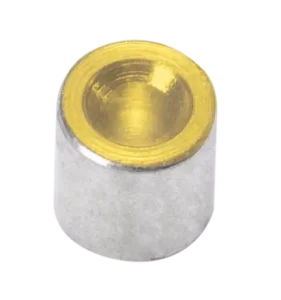
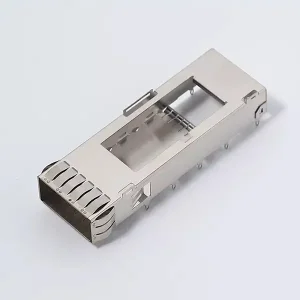
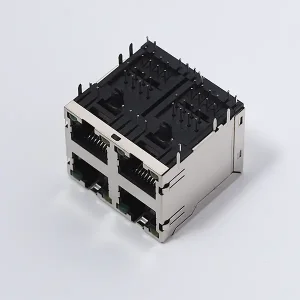
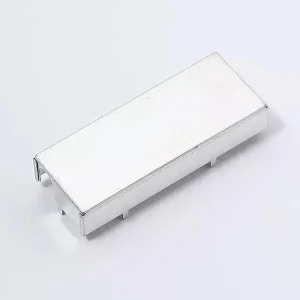
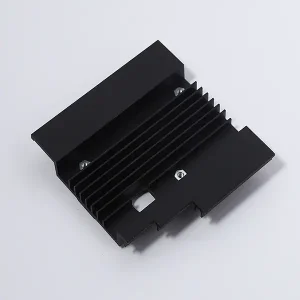
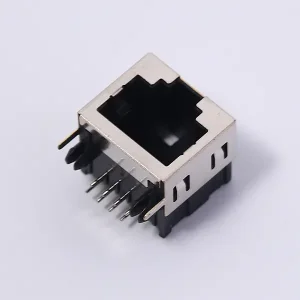
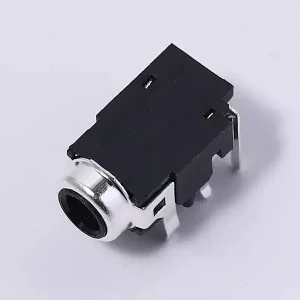
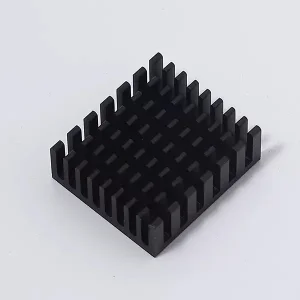

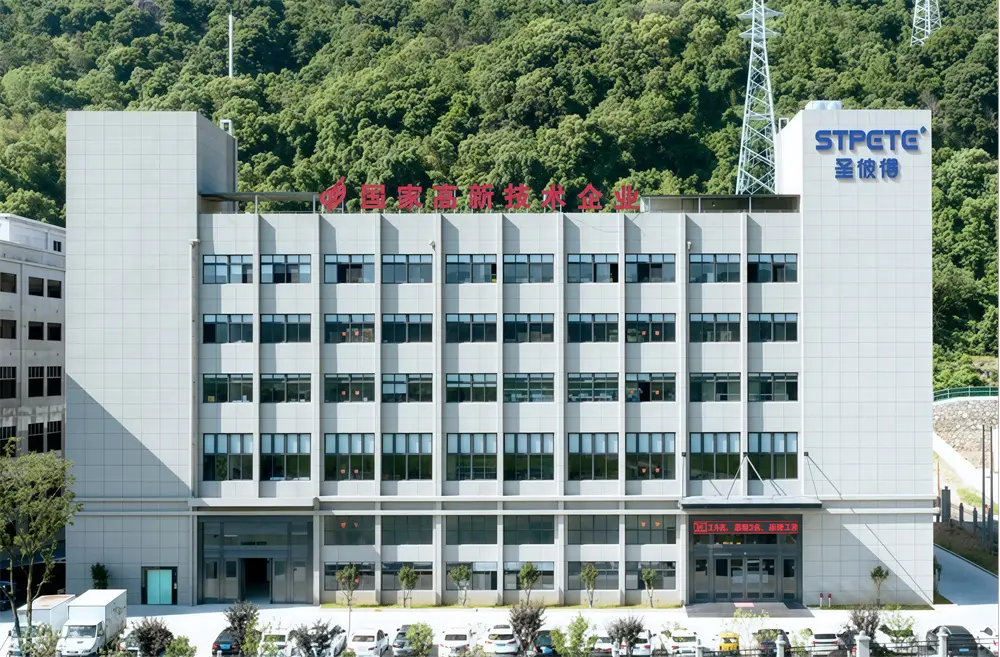
Established in 2005, Wenzhou Stpete Electronics Technology Co., Ltd. has developed into a premier high-tech enterprise dedicated to the R&D, advanced design, precise manufacturing, and global exportation of electronic connectors and customized thermal dissipation hardware, including premium Compact Die-cast Heat Sinks.
Over nearly two decades, Stpete has cultivated an unyielding reputation for quality excellence, engineering innovation, and highly responsive customer-centric trade services. By combining domestic design expertise with globally aligned quality assurance protocols, we serve as a vital link in the supply chains of various electronic sectors. We ensure optimal structural integrity and high thermal performance across millions of units shipped worldwide.
Unlocking superior power density and long-term hardware reliability through cutting-edge metal casting solutions.
Industrial applications demand tight tolerances and strict cost-efficiency. High-pressure die-casting (HPDC) delivers high production rates and clean net-shape finishes, minimizing the need for secondary CNC machining. This structural stability provides massive cost benefits for global volume exporters.
Selecting the right alloy is critical for performance. Selecting alloys like ADC12, A380, and AlSi9Cu3 optimizes high flow characteristics in casting molds. This allows designers to engineer ultra-thin cooling fins (under 1.0mm) that maximize heat transfer surfaces in tight spaces.
By integrating precision-formed thermal interface materials (TIMs), vapor chambers, or heat-pipes into die-cast pocket recesses, engineers can design complex cooling paths. These multi-part solutions effectively manage heat in tight, sealed device housings.
Wenzhou Stpete Electronics Technology Co., Ltd. operates a highly automated manufacturing facility configured to produce IF Radio-Frequency Terminals, FCB Network Jacks, DC Power Outlets, USB Sockets, AV Pin Jack Boards, and high-conductivity Radiators. Our CNC milling, precise punching machines, and advanced casting cells ensure that each component conforms to exact technical dimensions.
Our continuous technical investment exceeds 15 Million Yuan annually, funding a team of over 30 dedicated R&D personnel. Holding ISO 9001, ISO 14001, and OHSAS 18001 certifications, Stpete owns more than 21 research and development patents, validating our engineering expertise with industry-leading brands like Huawei and Hisense.
Every step—from raw material inspection, molten metal treatment, high-pressure mold injection, and surface finishing—is carefully audited. By using advanced coordinate measuring machines (CMM) alongside standard optical and electrical tests, we eliminate hidden defects before products ship, ensuring field reliability.
| Parameter Class | Specification Details | Primary Engineering Advantage |
|---|---|---|
| Alloy Materials | ADC12, A380, AlSi9Cu3, Magnesium Alloys (AZ91D) | Optimal balance of castability, lightweight structure, and mechanical properties. |
| Thermal Conductivity | 96 W/m·K to 150 W/m·K depending on alloy choice | Ensures efficient heat dissipation across the structure. |
| Dimensional Tolerances | ISO 2768-m (Fine-grade precision with CNC machining post-cast) | Guarantees hermetic sealing and flat mating surfaces for TIMs. |
| Surface Finish Options | Black Anodic Oxidation, Electrophoresis, Powder Coating, Nickel Plating | Provides superior corrosion protection, high emissivity, and EMI shielding. |
| Minimum Fin Thickness | 0.8 mm - 1.2 mm at tip (draft angles 0.5° - 1.5°) | High-density fin spacing for maximum surface area. |
How Wenzhou Stpete Electronics adapts to emerging heat dissipation and high-frequency communication demands.

Developing specialized aluminum and magnesium alloys that push thermal conductivity beyond 160 W/m·K without sacrificing structural strength or fluid castability.
Integrating connector terminals and EMI-attenuation gaskets directly into the heat sink body during casting, streamlining customer assembly processes.
Deploying advanced 5-axis CNC machining centers to quickly post-process cast housings, achieving flat mating surfaces down to <0.05mm.
Eliminating hexavalent chromium and volatile organic solvents by shifting to advanced trivalent chromate coatings and water-based e-coats.
From internal prototyping to volume manufacturing, Stpete maintains full control over quality and delivery timelines.
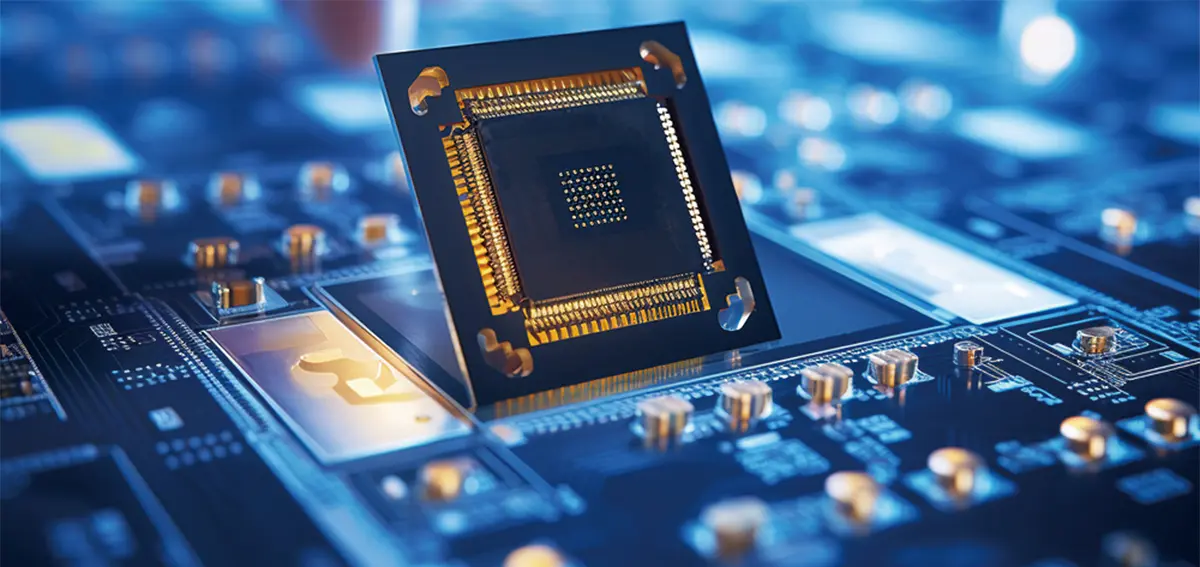
Supported by a team of over 30 R&D specialists, Stpete executes thermal simulations, mold-flow analyses, and EMI/RFI integration. This ensures that custom housings perform reliably under demanding conditions.
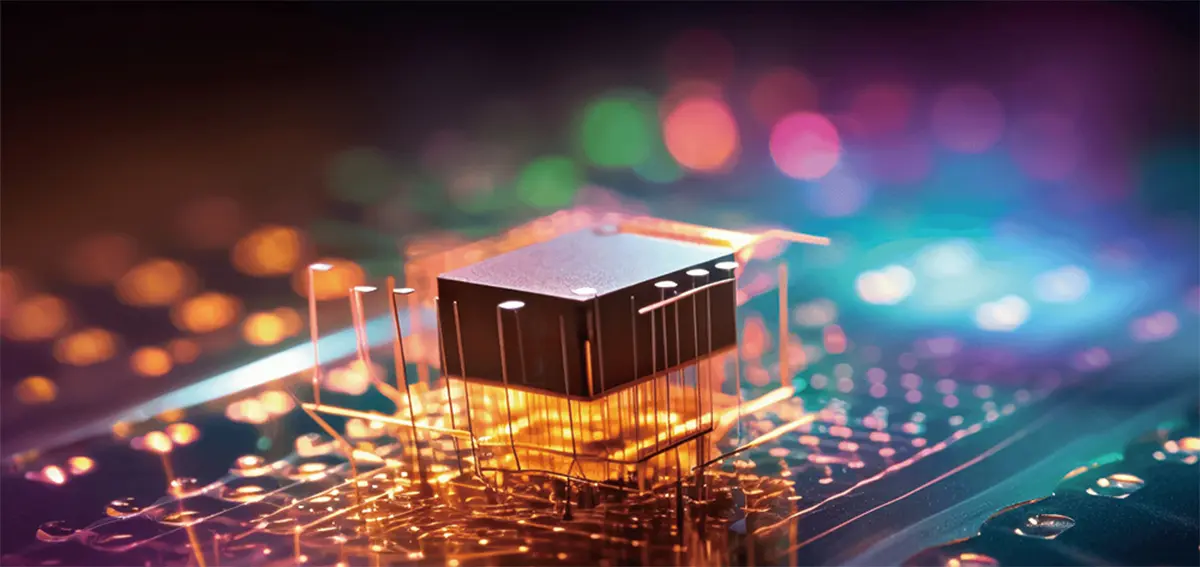
Quality is built into every step. We monitor production from raw ingot melting to final dimensional checks, verifying that every connector interface matches tolerance specifications.

Automated insert molding and terminal pin insertion enable high-volume production. This setup ensures consistent quality and fast lead times for bulk overseas orders.
Delivering robust performance across diverse commercial and industrial markets.
5G small cells and optical transceivers generate significant heat. Our compact die-cast heat sinks feature thin-fin geometries that fit into tight enclosures, keeping internal components within safe operating temperatures.
Automotive sensors require rugged mechanical protection. Our die-cast enclosures protect delicate LiDAR and radar units from road dust, moisture, and high-frequency vibration while managing thermal loads.
Edge computing controllers must operate reliably without fan cooling in harsh factories. Heavy-duty die-cast housings act as natural radiators, relying on convection to dissipate heat without moving parts.
At Wenzhou Stpete Electronics, we believe that technical excellence is rooted in collaboration. To strengthen cohesion, our company regularly organizes team-building initiatives. These activities challenge our engineers, R&D personnel, and administrative teams to collaborate outside the office. This fosters trust, encourages quick thinking, and helps reduce work-related stress. Ultimately, it returns our teams to the production lines with renewed energy and enthusiasm to solve complex thermal challenges.
Technical answers to key engineering and manufacturing questions about die-cast thermal solutions.
Aluminum extrusion is limited to 2D profiles, whereas high-pressure die casting (HPDC) allows for complex 3D geometries, varying wall thicknesses, and integrated features like mounting bosses. HPDC is ideal for high-volume, compact designs that must double as structural enclosures.
ADC12 and A380 are the standard options for casting. While pure aluminum has higher thermal conductivity, these alloys flow much better into complex molds, allowing for thin cooling fins. For demanding thermal applications, custom alloys like AlSi9Cu3 are used to optimize heat transfer.
We use computer-aided mold-flow simulations to locate areas prone to air traps. By optimizing gate locations, controlling injection speeds, and utilizing vacuum systems, we minimize internal porosity to ensure consistent thermal and structural performance.
For harsh conditions, electrophoretic coating (e-coating) combined with a powder coat provides excellent resistance to salt spray and humidity. In RF applications, selective nickel plating protects mating surfaces while maintaining ground conductivity.
Yes, our casting processes allow us to build custom channels directly into the heat sink. These channels house EMI gaskets and conductive silicones, saving space and reducing parts in final assemblies.
Explore our full line of tactile switches, connectors, audio jacks, and custom high-conductivity components.
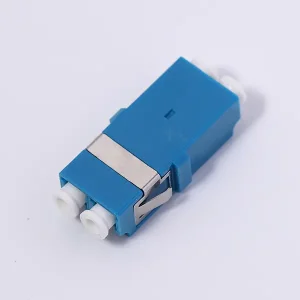
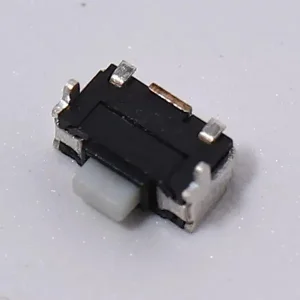
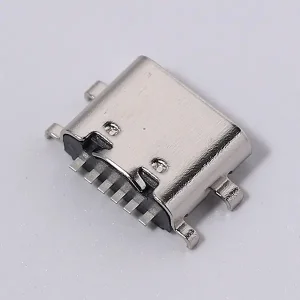
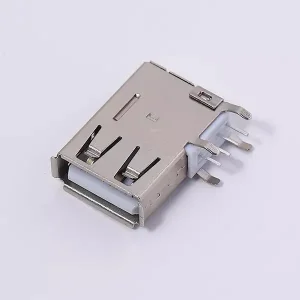
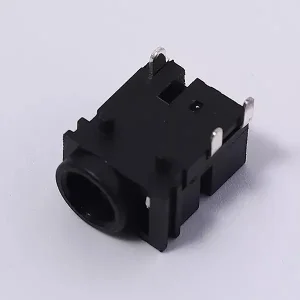
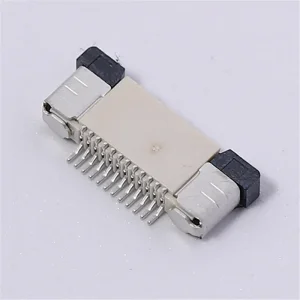
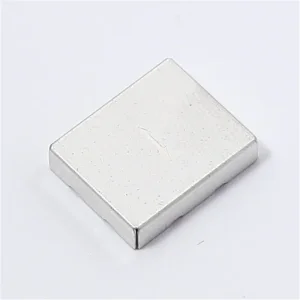
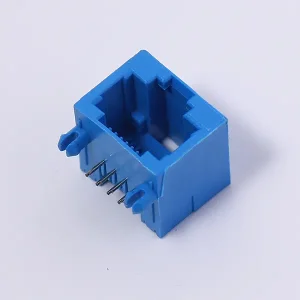
Connect with Wenzhou Stpete Electronics for custom mold designs, technical drawings, pricing information, and complete structural reviews. Our engineering team is ready to assist with your project.
Send Engineering Inquiry Stpete Electronics