As microelectronics enter the sub-nanometer scale and high-power semiconductors pack more transistors per square millimeter, heat dissipation is no longer a tertiary design parameter—it is a primary bottleneck. Global procurement teams representing telecom infrastructure providers, electric vehicle (EV) tier-1 suppliers, industrial automation integrators, and AI server OEMs face critical challenges when sourcing high-performance aluminum heat sinks. Modern procurement demands span three vital axes:
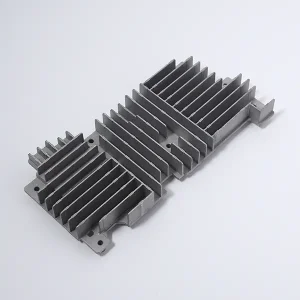
Buyers require specific aluminum alloys like AL6063-T5 or AL6061-T6 to match exact thermal conductivity thresholds (up to 201 W/m·K and 167 W/m·K respectively). Sourcing standards dictate custom fin aspect ratios and zero interfacial resistance between the heat source and baseplate.
For high-density packages like IGBT modules and CPU blocks, flatness tolerance must stay under 0.05mm per 100mm. Sourcing guidelines mandate rigorous coordinates inspection through optical and CMM systems to eliminate microscopic air gaps.
Industrial installations demand high-grade surface coatings (such as Type II anodization or chemical conversion film) to endure salt spray testing (up to 96 hours without corrosion) while satisfying RoHS and REACH environment directives.
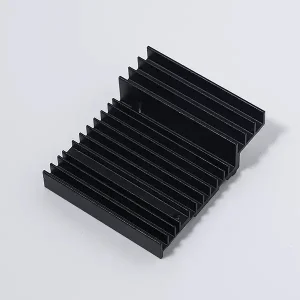
Depending on your application’s mechanical footprint, power density, and budget constraints, different heat sink manufacturing technologies must be chosen. At Stpete Electronics, we provide a full stack of options. Here is a technical breakdown comparing extrusion, skiving, cold forging, and CNC milling:
| Technology | Typical Fin Aspect Ratio | Material Options | Thermal Conductivity | Optimal Order Volume | Primary Industrial Use Case |
|---|---|---|---|---|---|
| Al Extrusion | Up to 10:1 (High aspect standard) | AL6063, AL6061 | Medium (160–201 W/m·K) | >1,000 units | Standard CPU, LED lighting modules |
| Skived Fin | Up to 25:1 (Ultra-dense fins) | AL1050, Copper | High (>220 W/m·K) | >500 units | Server power units, dense telecommunications |
| Cold Forged | Up to 15:1 (Pin-fin matrix) | AL1050, AL1070 | Very High (220–230 W/m·K) | >2,000 units | High bay LED, multi-directional airflows |
| CNC Milling | Customized limits | All alloys | Depends on alloy selection | 1 to 100 units (Prototyping) | Aerospace, custom medical equipment, EV testing |
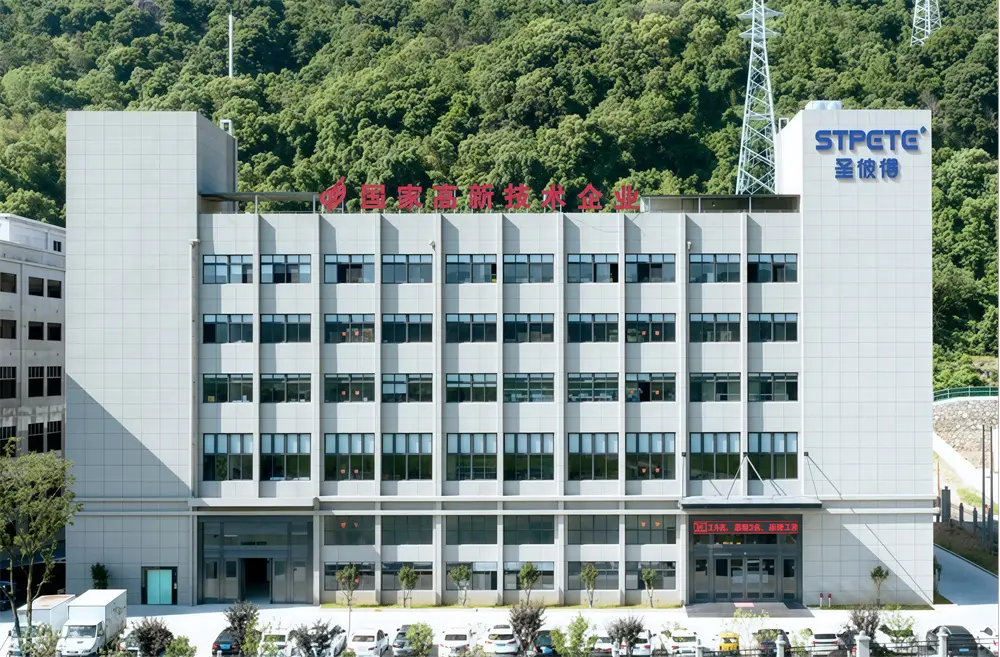
Established in 2005, Wenzhou Stpete Electronics Technology CO., LTD is a premier, high-tech enterprise specialized in the design, development, production, and exporting of electronic connectors and thermal management solutions. From our headquarters, we have developed a solid reputation domestically and internationally for our superior product quality and efficient B2B transaction pipelines.
We operate advanced high-speed punching and CNC machinery configurations that guarantee the dimensional accuracy and long-term reliability of our product catalogs. Our engineering team cooperates with key domestic and global industry leaders like Huawei and Hisense to push the boundaries of miniaturization and cooling efficiency.

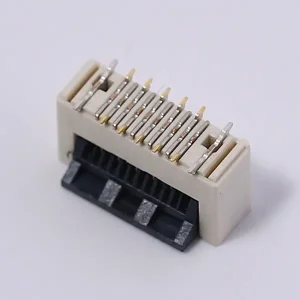
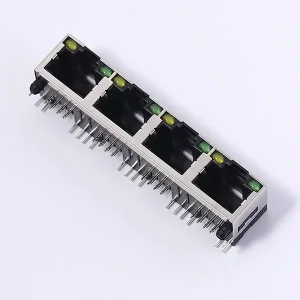
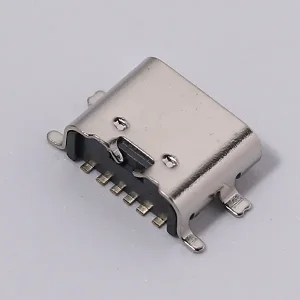
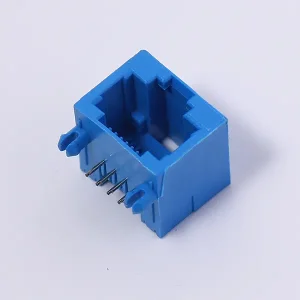
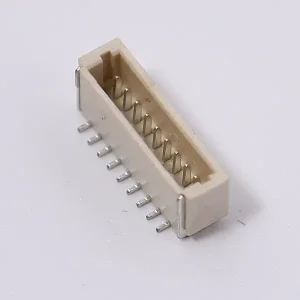
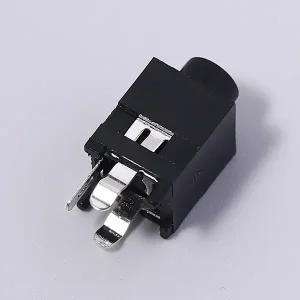
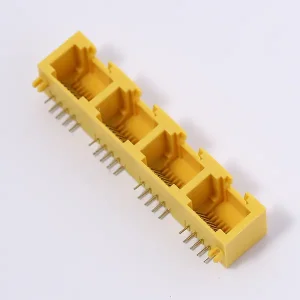
Stpete Electronics operates a modern production plant equipped to process complex thermal and connector systems. Our capabilities include IF Radio-Frequency Terminal manufacturing, FCB Network Jacks, DC Power Outlets, USB Sockets, AV Pin Jack Boards, and our flagship High-Performance Radiator/Heat Sink lines. We utilize high-tonnage punching systems and high-precision CNC machinery configurations to control dimensions down to the micron.
All aluminum extrusions are inspected for grain consistency and alloy ratio using spectroscopy. This prevents impurities that degrade thermal path continuity.

Automatic laser-displacement gauges inspect flat surfaces during milling. This ensures maximum contact area with thermal interfaces.
With an annual R&D investment exceeding 15 million Yuan and holding over 21 patents, our 30+ technical experts ensure design processes stay ahead of the thermal technology curve.
As a global OEM/ODM exporter, Stpete Electronics provides localized solutions tailored to specific industries. The thermal challenges faced in high-power setups require engineering-level customization. Our primary integration targets include:
Modern electric drivetrains demand highly efficient cooling to manage thermal spikes in IGBT power modules. We supply high-density forged pin-fin heat sinks and liquid cooling plates to withstand high vibrations and cyclic thermal expansion.
Outdoor 5G remote radio heads (RRH) require passive, maintenance-free cooling solutions. Our specialized outdoor-grade anodized aluminum extrusion heat sinks resist weathering, salt spray, and UV light while maintaining long-term thermal conduction.
Solar inverters and wind-turbine converters convert megawatts of energy daily. We manufacture large-scale, high-surface-area heat sinks featuring pressed-in copper tubes. This hybrid design rapidly disperses concentrated heat loads.
High-density server architecture requires specialized low-profile cooling. Our high aspect ratio, skived-fin designs allow air to flow through compact 1U and 2U server formats with minimal airflow resistance.

During the summer, our company organized an outdoor team-building event to strengthen cross-departmental communication and alignment. Held in a scenic natural environment, the program focused on enhancing collaboration and shared goals across our engineering, production, and quality assurance divisions.
Through various hands-on challenges requiring close coordination and rapid problem-solving, our team built stronger professional relationships. These activities built trust, boosted overall morale, and helped align our staff's focus on maintaining high quality standards across our production lines.
Taking a break from the production floor allowed the team to recharge, returning to work with renewed focus and energy to support our global customer base.
 Stpete Electronics