Our premium-grade precision hardware engineered to meet strict international standards and optimize signal integrity across high-frequency boards.
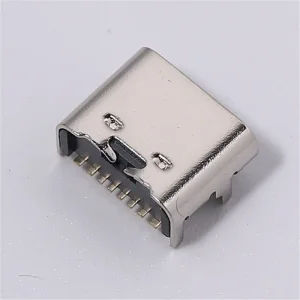
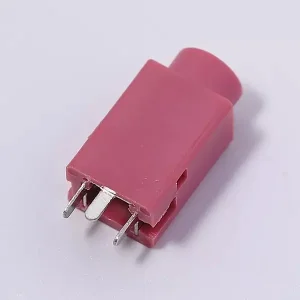

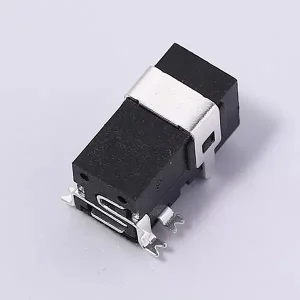
As electronic systems shrink and operate at higher frequencies, managing electromagnetic interference (EMI) and radio-frequency interference (RFI) has become one of the most critical design challenges for hardware engineers. Modern circuits are packed with high-speed microprocessors, high-frequency transceivers, and wireless modules (such as 5G, Wi-Fi 6E/7, and Bluetooth), all operating in close proximity. Without effective shielding, cross-talk and signal degradation would render these high-performance systems useless.
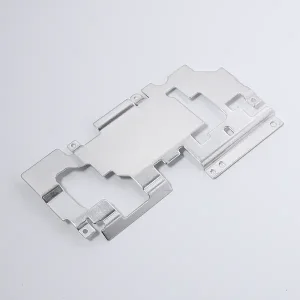
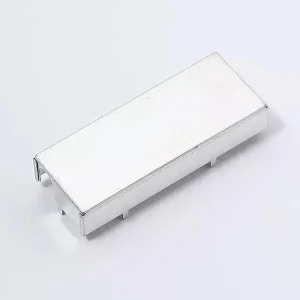
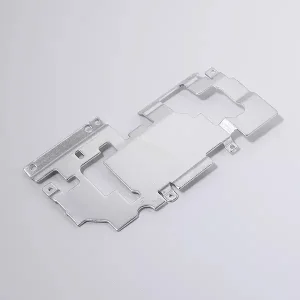
A Bent Shielding Frame is a specialized mechanical enclosure mounted directly onto the printed circuit board (PCB) to encapsulate sensitive components or RF sources. By providing a Faraday cage around critical components, these frames reflect or absorb EMI/RFI radiation. Precision bent frames are particularly prized for their dimensional accuracy, ensuring a perfect seal against the PCB ground plane to maintain electrical continuity and prevent signal leakage at the seams.
At Wenzhou Stpete Electronics Technology Co., Ltd., we design and manufacture high-performance bent shielding frames that meet the rigorous requirements of global electronics manufacturers. Backed by state-of-the-art metal stamping technology, our frames deliver exceptional coplanarity, robust solderability, and outstanding shielding attenuation values across high-frequency bands.

Established in 2005, Wenzhou Stpete Electronics Technology Co., Ltd. has grown into a leading high-tech enterprise specializing in the development, production, and sales of electronic connectors and shielding enclosures.
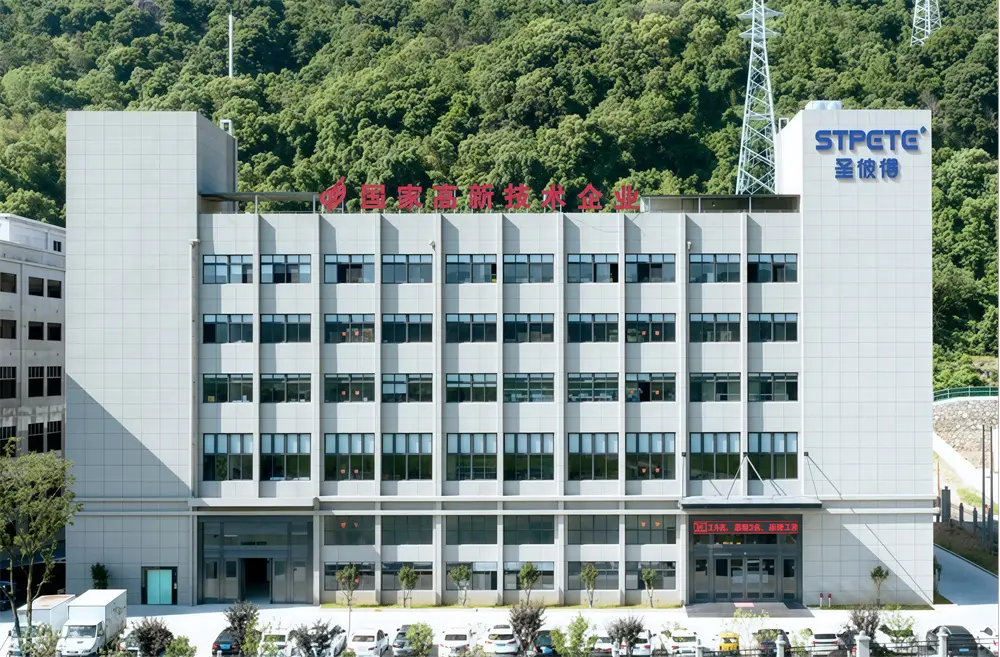
Technology innovation drives Wenzhou Stpete Electronics. We continuously invest in advanced machinery and engineering talent to maintain our leadership position. Our dedicated R&D division has grown to include over 30 technical R&D personnel, with an annual R&D investment exceeding 15 million Yuan. This robust focus on engineering has yielded more than 21 research and development patents, allowing us to build a solid technological foundation for custom shielding configurations.
We work closely with Tier-1 technology brands in China and globally, including Huawei and Hisense. These long-term partnerships testify to our ability to deliver parts that meet the highest quality, reliability, and delivery standards required by world-class hardware systems.
For Stpete, quality is guided by technology and based on safety. From the initial selection of raw materials to the final inspection, every step is meticulously controlled.
We operate multiple high-speed, high-level stamping presses, precision CNC machines, and progressive die tooling lines. This high automation ensures precise tolerances, critical for achieving the high coplanarity (typically under 0.08mm) needed for seamless automatic pick-and-place assembly.
Our quality control center is equipped with coordinate measuring machines (CMM), 2.5D optical measurement systems, solderability testers, and X-ray fluorescence (XRF) material analyzers. We perform multi-stage inspections on incoming materials, in-process production, and finished products.
We operate in strict accordance with standard management frameworks. We hold certificates for ISO 9001:2015 (Quality Management), ISO 14001:2015 (Environmental Management), and ISO 45001/18001 (Occupational Health and Safety), ensuring compliance at every tier of our operations.
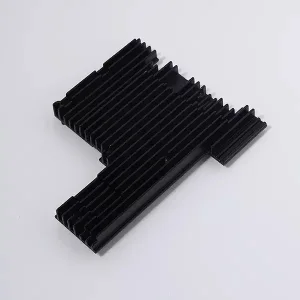
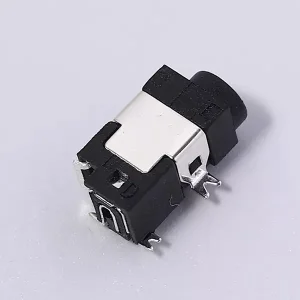
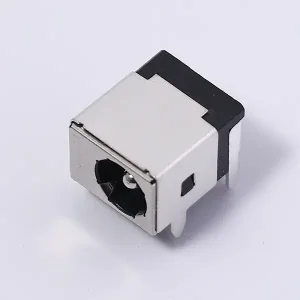
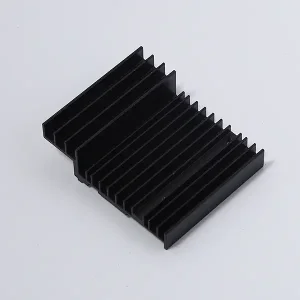
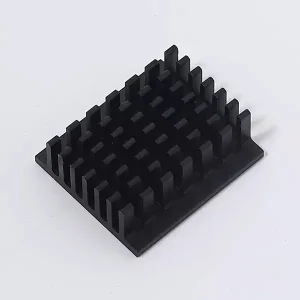
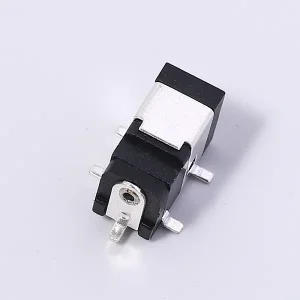
Our extensive manufacturing infrastructure supports the fabrication of a wide range of electronic components. In addition to bent shielding frames, we produce IF radio-frequency terminals, FCB network jacks, DC power outlets, USB sockets, AV pin jack boards, and thermal radiators. This broad vertical capability allows customers to consolidate their electronic hardware sourcing with a single, highly reliable manufacturer.
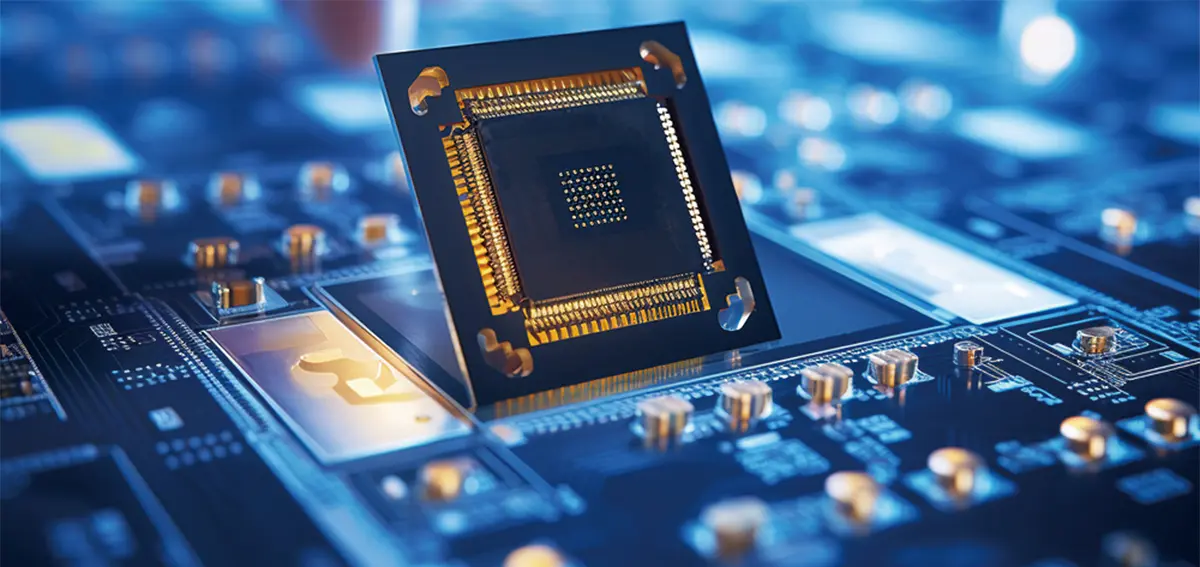
Why leading global tech firms rely on China-based manufacturers like Wenzhou Stpete Electronics for their high-precision metal components.
Sourcing bent shielding frames from China offers distinct competitive advantages that directly impact a product's speed-to-market and cost-efficiency. As a leading manufacturer in Wenzhou, one of China's core electronics hubs, Stpete Electronics offers the following advantages:
Understanding the engineering characteristics of bent shielding frames is crucial for selecting the right material and design parameters.
| Material Type | Common Grades | Shielding Effectiveness | Solderability | Key Characteristics & Applications |
|---|---|---|---|---|
| Nickel Silver | C7701, C7521 | Excellent (Up to 80 dB) | Outstanding (No plating required) | Resists corrosion, directly solderable, highly formable. Ideal for mobile devices and high-reliability transceivers. |
| Tin-Plated Steel | SPCC-SD + Sn Plating | Very Good (60 - 75 dB) | Excellent (Pre-plated) | Cost-effective option, excellent magnetic shielding. Often used in consumer electronics and automotive boards. |
| Stainless Steel | SUS 304, SUS 301 | Good (50 - 65 dB) | Requires Selective Plating | High mechanical strength and stiffness. Best for large span shielding frames subject to structural stresses. |
| Copper-Nickel Alloy | C5210 (Phosphor Bronze) | Excellent (70 - 85 dB) | Excellent (with Tin plating) | High conductivity and fatigue resistance. Used in spring-finger contacts and multi-cavity complex shields. |
"Correct material selection and design for coplanarity are key to preventing RF leakage. A coplanarity deviation of just 0.1mm can compromise the entire shielding enclosure, resulting in failed EMC testing."
— Stpete Lead RF Compliance EngineerOur bent shielding frames are deployed globally across diverse industries to protect sensitive circuits from high-frequency interference.
In modern vehicles, ADAS controllers, LiDAR, Radar modules, and infotainment units generate high-frequency signals while sitting close to sensitive analog sensors. Our robust shielding frames protect these processors from external noise, helping ensure passenger safety and system reliability under harsh thermal and vibration conditions.
Base stations, routers, optical network terminals (ONTs), and localized smart-home IoT devices operate on multiple frequency bands simultaneously. Multi-cavity bent shielding frames allow engineers to isolate individual RF blocks (such as the Power Amplifier, Low Noise Amplifier, and Mixer) on a single PCB, preventing internal crosstalk.
Consumer devices demand ultra-thin profiles and minimal board footprints. We engineer low-profile shielding frames (as low as 1.0mm in total height) using precision-grade thin Nickel Silver sheets, maintaining reliable structural strength and coplanarity for high-volume SMT manufacturing.
Doing business internationally requires strict compliance with dynamic regulatory frameworks. Wenzhou Stpete Electronics ensures that all shipped bent shielding frames comply with environmental regulations, including RoHS 3.0, REACH, and Conflict Minerals reporting requirements. This compliance helps our clients integrate our shielding products into their supply chain with minimal regulatory friction.
To support global engineering teams, we offer localized Field Application Engineering (FAE) support. Our engineers collaborate with your design team from the early stages of PCB layout, advising on frame dimensions, thermal vias, ventilation holes, and packaging types (e.g., tape-and-reel for automated high-speed SMT assembly). This hands-on technical guidance helps minimize design cycles and prevents expensive post-layout redesigns.
Additionally, we understand that team cohesion is vital to sustaining this standard of engineering excellence. Our company regularly organizes outdoor team-building activities, fostering a culture of trust and cooperation that reflects in the attention to detail we bring to every customer order.

As operating frequencies push into the millimeter-wave (mmWave) bands, shielding requirements undergo a paradigm shift.
Looking ahead, shielding frames must evolve to meet three key industry trends:
Frequently asked questions by RF design engineers and procurement professionals regarding bent shielding frames.
Coplanarity defines the maximum distance between the lowest and highest points on the soldering edge of the frame. If the coplanarity is poor (e.g., > 0.1mm), gaps will occur during surface mount technology (SMT) reflow. This leads to weak solder joints, potential RF leakage, and failed electrical connections. Stpete maintains coplanarity tolerances under 0.08mm through precision tooling controls.
A one-piece shield (frame and cover integrated) is cost-effective but must be desoldered for rework. A two-piece shield consists of a solderable frame and a removable snap-on cover. This design allows technicians to remove the cover to inspect or replace components on the PCB without applying heat to desolder the frame.
Nickel Silver (such as C7701) is the industry standard for solderability, as it does not require additional plating and resists oxidation during storage. Alternatively, tin-plated steel or tin-plated phosphor bronze provides excellent solder joint strength and cost efficiency.
We can punch ventilation holes directly into the frame or cover design. The diameter of these holes is kept small enough to prevent RF leakage at the target operating frequency, while allowing adequate convection airflow or integration with thermal pads.
We offer tape-and-reel (carrier tape) packaging, complete with pick-and-place polyimide tabs on top of the shielding frames. This allows your SMT pick-and-place nozzles to easily suction the parts and place them onto the PCB at high speeds.
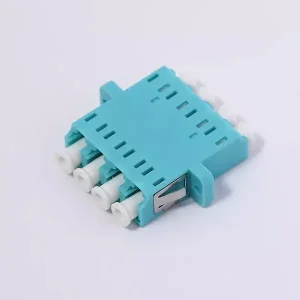
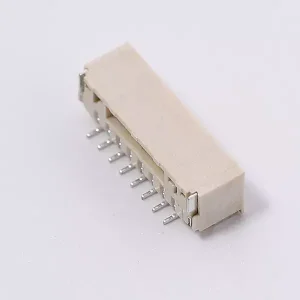
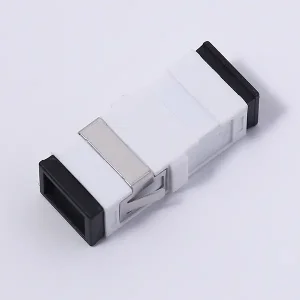
Browse our wide selection of certified hardware, ranging from PCB connectors to specialized network adapters and interfaces.
 Stpete Electronics