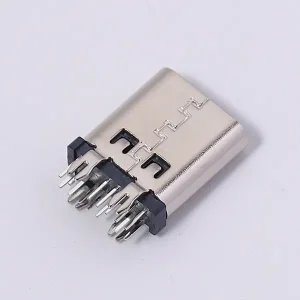
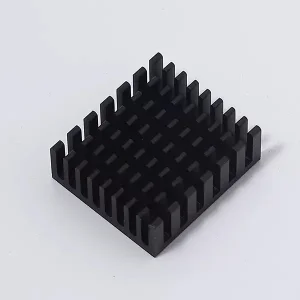
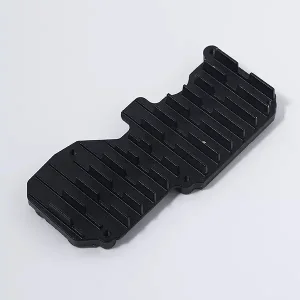
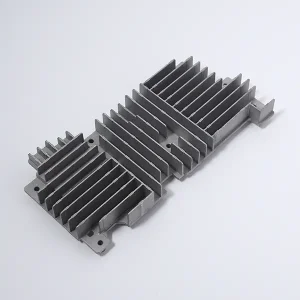
High-precision manufactured electronic connectors, tactile switches, heat sinks, and custom thermal solutions
Wenzhou Stpete Electronics Technology Co., Ltd. is a premier, high-tech enterprise specialized in the integrated development, production, and global sales of electronic connectors and customized thermal management solutions. Guided by technological innovation and an unwavering commitment to quality safety, we have established ourselves as an industry leader.
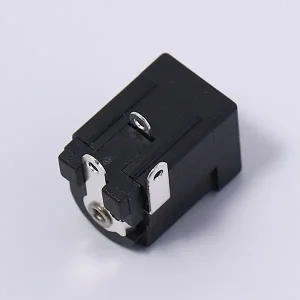
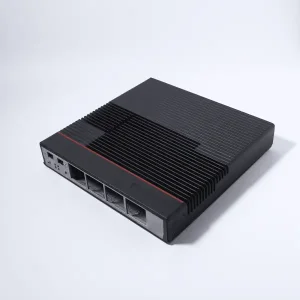
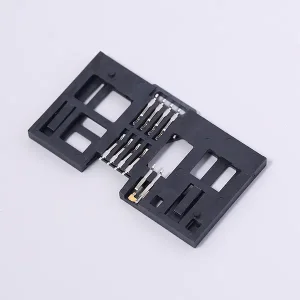
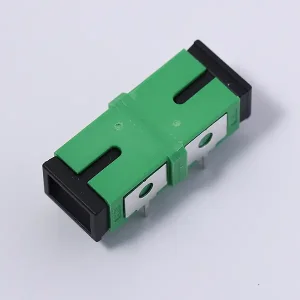
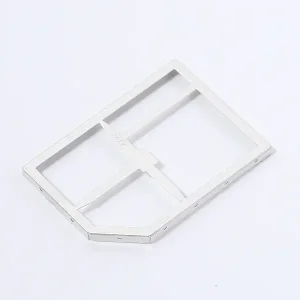
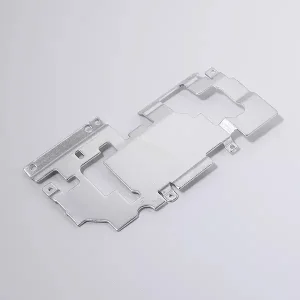
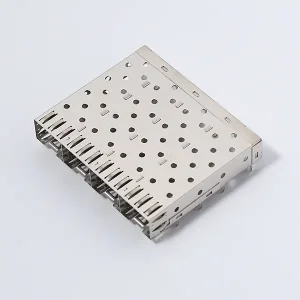
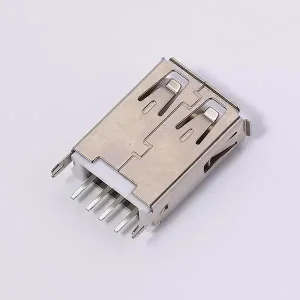
For decades, we have built a stellar reputation among domestic and international customers for our excellent product quality and efficient trading services. Our facilities house a complete, state-of-the-art manufacturing stack, enabling us to engineer and deliver IF radio-frequency terminals, FCB network jacks, DC power outlets, USB sockets, AV pin jack boards, and high-performance radiators/heat sinks with absolute compliance with international criteria.
We are a strategic development partner and a tier-one supplier to some of the world's most renowned technological giants, including Huawei and Hisense, driving technological boundaries in thermal and connection systems.

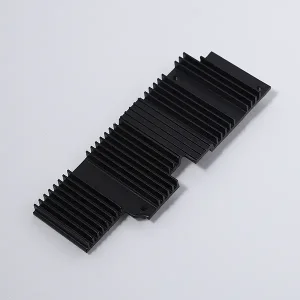
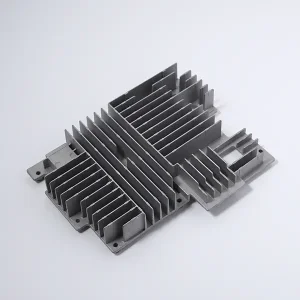
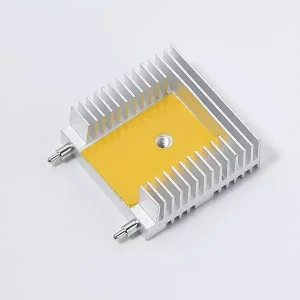
In high-power industrial equipment, telecommunications infrastructure, electric vehicles, and high-frequency consumer electronics, managing thermal output is crucial for performance and operational lifespan. The customized profile heat sink is the primary defense against thermal throttling and silicon degradation. By combining specialized mechanical geometries with optimized aluminum alloys, custom extruded profile heat sinks maximize surface-area-to-volume ratio, facilitating rapid thermal energy dissipation via natural or forced convection.
Extrusion profile optimization is a complex engineering task that balances manufacturing feasibility, structural integrity, and thermal efficiency. Pure aluminum (Al1050) has higher thermal conductivity (~229 W/m·K) but lacks the structural strength required for precision machining and installation stress. Consequently, 6000-series aluminum alloys, specifically Al6063 and Al6061, are the standard for profile heat sinks. Al6063 provides a thermal conductivity of approximately 201-218 W/m·K alongside exceptional extrusion capabilities, allowing for high fin aspect ratios and thin-walled architectures.
Modern thermal management systems require high aspect ratios (the ratio of fin height to fin spacing). Standard extrusion techniques typically yield aspect ratios between 8:1 and 10:1. Wenzhou Stpete Electronics Technology Co., Ltd. utilizes advanced tool design and high-pressure extrusion presses to achieve aspect ratios exceeding 20:1, significantly expanding the heat-dissipation surface area in space-constrained enclosures without adding extra weight.
The global dominance of Chinese heat sink factories in thermal component manufacturing is driven by a deep supply chain, specialized engineering clusters, and comprehensive manufacturing ecosystems. Located in the industrial center of Wenzhou, Stpete Electronics leverages several key factors:
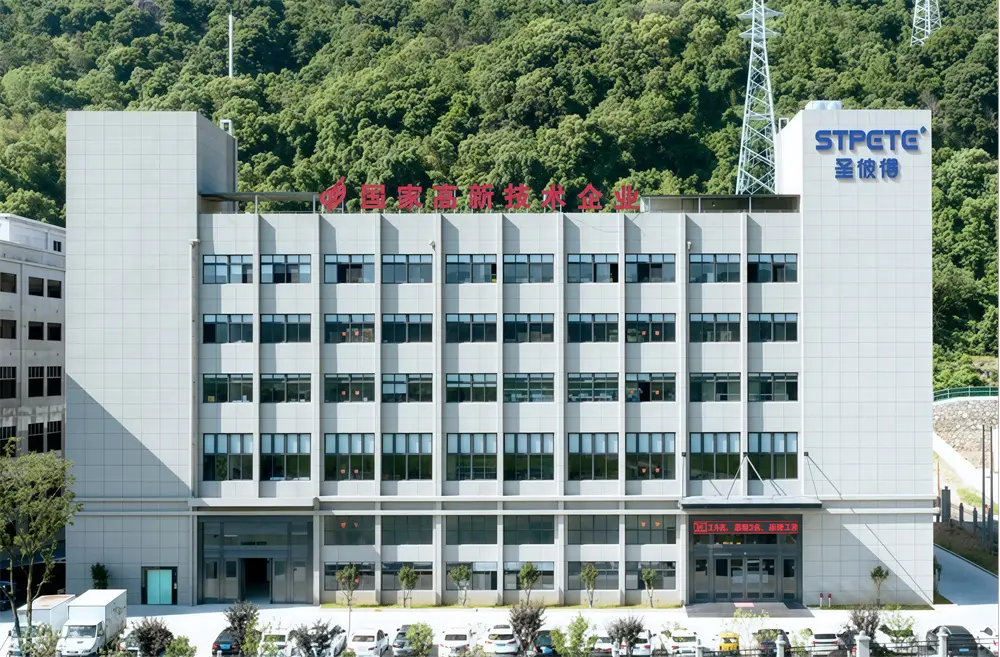
Our quality assurance system covers the entire production process, from raw material inspection (ICP-AES composition testing and hardness profiling) to in-process dimensional audits and final reliability validation. We maintain a full suite of diagnostic and inspection systems to verify the integrity of high-frequency terminals, network jacks, and heat dissipation profiles.
Stpete is certified under ISO 9001, ISO 14001, and ISO 45001. Our thermal profiles undergo strict thermal simulation validation, salt spray testing, and thermal cycling stress tests to ensure reliable performance over decades of operation.
As microprocessors, power modules, and telecommunication devices shrink in size while growing in power density, thermal management technologies are shifting toward hybrid systems. We are seeing several key developments:
A. Integration of Heat Pipes and Vapor Chambers: While extruded aluminum profiles remain the cost-effective benchmark, extreme thermal flux requires embedding heat pipes or copper vapor chambers in the aluminum base plate. This design spreads the concentrated heat from a small silicon die across a larger area before it reaches the cooling fins, eliminating hot spots.
B. Skived Fin and Bonded Fin Tech: For high-density computing platforms (like AI servers and high-speed data center switches), conventional extrusion profiles may reach their physical limits. Skiving (shaving fins directly from a solid bar of metal) or bonding fins using thermal epoxy or brazing allows for thinner fins and higher density, providing a larger heat-dissipation surface area in the same footprint.
C. Liquid Cooling Hybridization: In modern data centers, power electronics are shifting toward liquid-to-air cooling. Aluminum cooling plates and liquid-flowing blocks are replacing standard air-cooled heat sinks, utilizing the high heat capacity of liquid coolants to keep temperatures stable.
Wenzhou Stpete Electronics Technology Co., Ltd. delivers customized profile heat sinks for a wide variety of industrial and commercial applications:
Rugged, weather-proof enclosures for telecom base stations require passive cooling profiles with high thermal emissivity and corrosion resistance. Our designs protect sensitive RF components in harsh outdoor environments.
Electric vehicle (EV) motor drives, onboard chargers, and battery management systems generate significant heat. Our custom-machined profile radiators provide high heat capacity and mechanical durability under constant vibration.
Variable Frequency Drives (VFDs) and high-power switchgear depend on reliable cooling to prevent sudden shut-offs. Our thick-base profiles absorb sudden thermal spikes and spread the heat load evenly.
Purchasing components from offshore manufacturers requires a careful balance of tooling costs, per-piece pricing, quality standards, and logistics. International procurement managers should focus on several key areas:
First, verify the manufacturer's raw material sourcing. Cheap aluminum alloys with high levels of iron impurities can reduce thermal conductivity by up to 15%. Ask for material mill test certificates (MTC) for each batch. Second, check the tolerance capabilities of post-extrusion CNC machining, especially the flatness of the contact surface. The base plate of the heat sink must be flat to within 0.05 mm per 100 mm to minimize thermal contact resistance. Any minor warping can create air gaps that reduce heat transfer efficiency.
Wenzhou Stpete Electronics ensures supply chain transparency and reliable quality. Our partnerships with top manufacturers like Huawei and Hisense prove our ability to meet strict industrial standards and deliver large production runs on schedule.
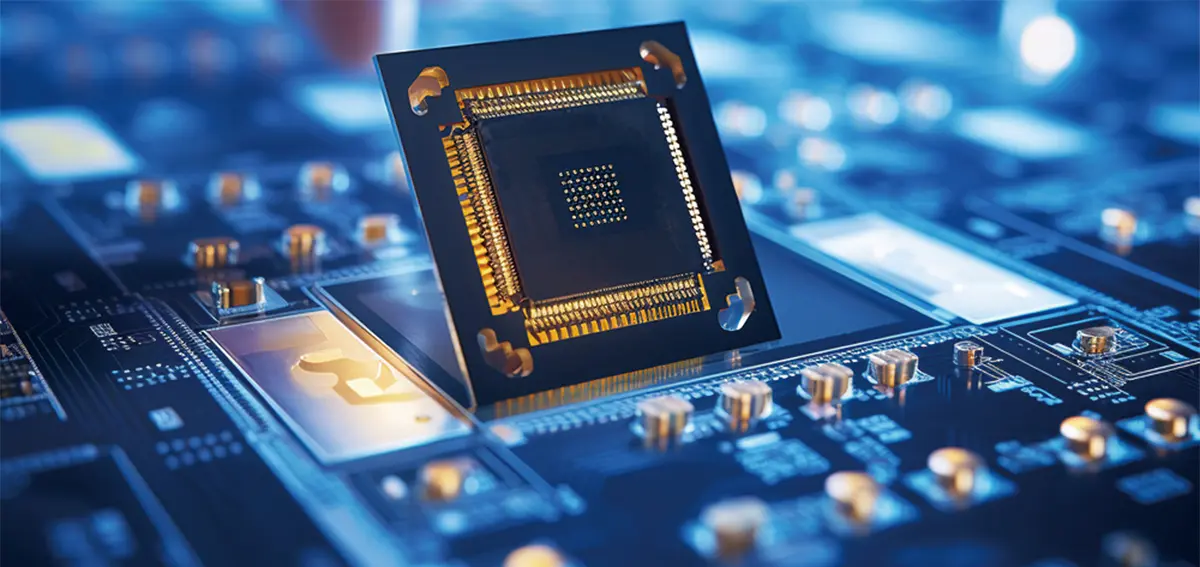
Wenzhou Stpete Electronics operates on a simple principle: technological innovation is the main driver of corporate growth. We invest continuously in advanced equipment, tooling development, and engineering talent to stay ahead of the competition.
Our company organizes outdoor team-building activities to strengthen cohesion, foster teamwork, and build team spirit. These events provide a great opportunity for our employees to bond, collaborate, and communicate outside the office environment.
Through a series of challenging and engaging team exercises, our employees practice trust, coordination, and quick thinking. These activities encourage individuals to step out of their comfort zones, build trust with their colleagues, and see the value of working together toward a common goal. This focus on teamwork boosts morale, reduces work-related stress, and keeps our team energized and focused on delivering high-quality products and services to our clients.

Technical and procurement inquiries regarding custom heat sink profiles and electronic components
We primarily use Al6063 and Al6061 for our custom profiles. Al6063 is preferred for complex geometries and thin fins because of its excellent extrusion properties and thermal conductivity (approx. 201-218 W/m·K). Al6061 offers higher tensile strength and yield strength, making it ideal for structural applications, though its thermal conductivity is slightly lower (approx. 160-180 W/m·K).
Our multi-axis CNC machines and automated punch presses can maintain dimensional tolerances within ±0.02 mm. For contact surfaces, we can achieve flatness within 0.05 mm per 100 mm and surface roughness down to Ra 0.8 μm, which helps reduce thermal interface resistance.
We operate under a comprehensive quality management system certified to ISO 9001, 14001, and 18001 standards. Our QA processes include testing incoming raw materials (composition and hardness), in-process inspection at every stage of production, and final quality control using coordinate measuring machines (CMM) and visual inspection tools.
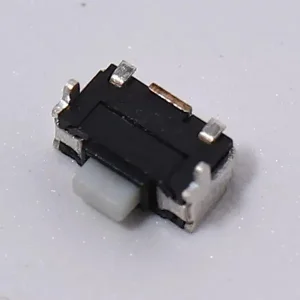
Yes, we are a high-tech company that specializes in both connectors and thermal management products. We manufacture tactile switches, network jacks, DC outlets, RF terminals, and custom connector components. Our engineering team can design complete packages that combine connection and cooling technologies.
Yes. Using thermal simulation software like FloTHERM and Icepak, our engineering team can simulate and optimize heat sinks for specific airflow and heat loads. We can also integrate copper inserts, vapor chambers, or heat pipes to manage high thermal concentrations.
Tooling design, fabrication, and initial sample production are usually completed in 7 to 10 working days. Once the samples are approved, mass production lead times typically range from 15 to 25 days, depending on the order volume and post-extrusion machining requirements.
Explore our technical components catalog and find direct links to our product detail pages
 Stpete Electronics