Direct from Wenzhou Stpete Electronics Technology Co., Ltd. - Global Standard OEM Connectors & Thermal Interfaces
The Pivotal Role of Aluminum Radiators in Next-Generation Electronics and High-Density Power Electronics
With artificial intelligence workloads scaling globally, TPUs and GPUs now exceed 700W per chip thermal design power (TDP). High thermal conductivity aluminum radiators provide the primary passive heat transfer threshold needed before liquid cooling loops are deployed.
Utility-scale solar inverters and wind power converters generate significant thermal stress under cyclic loads. Anodized 6063-T5 aluminum extruded heatsinks provide structural integrity, high corrosion resistance, and thermal performance up to 201 W/m·K.
EV on-board chargers (OBC) and traction inverter drive systems require compact, lightweight thermal interfaces. Cold-forged AL1070/AL1050 radiators achieve thermal conductivity values up to 230 W/m·K, optimizing the weight-to-performance ratio in automotive engineering.
Wenzhou Stpete Electronics Technology Co., Ltd. - Established in 2005
Founded in 2005, Wenzhou Stpete Electronics Technology Co., Ltd. has spent nearly two decades positioning itself at the leading edge of electronic components and thermal solution manufacturing. With a specialized focus on R&D, structural tooling design, and strict physical testing, we deliver top-tier IF Radio-Frequency terminals, network jacks, DC outlets, and custom aluminum radiators to blue-chip technology providers, including Huawei and Hisense.
Operating out of advanced industrial parks in Wenzhou, China, we combine domestic manufacturing agility with globally recognized quality standards. Our certifications speak to our commitment: ISO 9001 for quality systems, ISO 14001 for environmental management, and ISO 45001 (formerly OHSAS 18001) for occupational health and safety systems.

To maintain absolute dimensional consistency and faultless thermal boundaries, our factory operates multi-station high-speed precision punching presses, advanced CNC machining centers, and automated vertical profile milling lines. Every radiator profile undergoes meticulous inspections: raw chemical composition spectral analysis, profile projector checks, flatness checks using precision laser gauges, and micro-hardness testing.
By utilizing coordinate measuring machines (CMM) and specialized thermal resistance measurement fixtures, we guarantee that all production runs comply with your specifications and meet the strict operating life requirements of demanding electronic environments.
Understanding Thermal Conductivity Coefficients, Geometric Ratios, and Manufacturing Processes
Choosing the correct aluminum alloy represents the primary optimization variable in cooling module design. Standard pure aluminum (e.g., AL1050/1070) exhibits excellent thermal properties, but lacks structural rigidity. In contrast, magnesium-silicon-doped alloys (6000 series) allow for complex geometry, though they offer slightly lower thermal metrics:
| Alloy Grade | Thermal Conductivity (W/m·K) | Tensile Strength (MPa) | Primary Application Method |
|---|---|---|---|
| AL 1050/1070 | 220 - 230 | 75 - 95 | Cold Forging / Impact Extrusion |
| AL 6063-T5 | 201 - 209 | 185 - 220 | Hot Extrusion / Complex Fins |
| AL 6061-T6 | 155 - 170 | 290 - 310 | Heavy-Duty CNC Machining / Structural |
| ADC12 | 96 - 120 | 240 - 280 | High-Pressure Die Casting |
Stpete Electronics offers four primary manufacturing technologies for thermal dissipation modules:
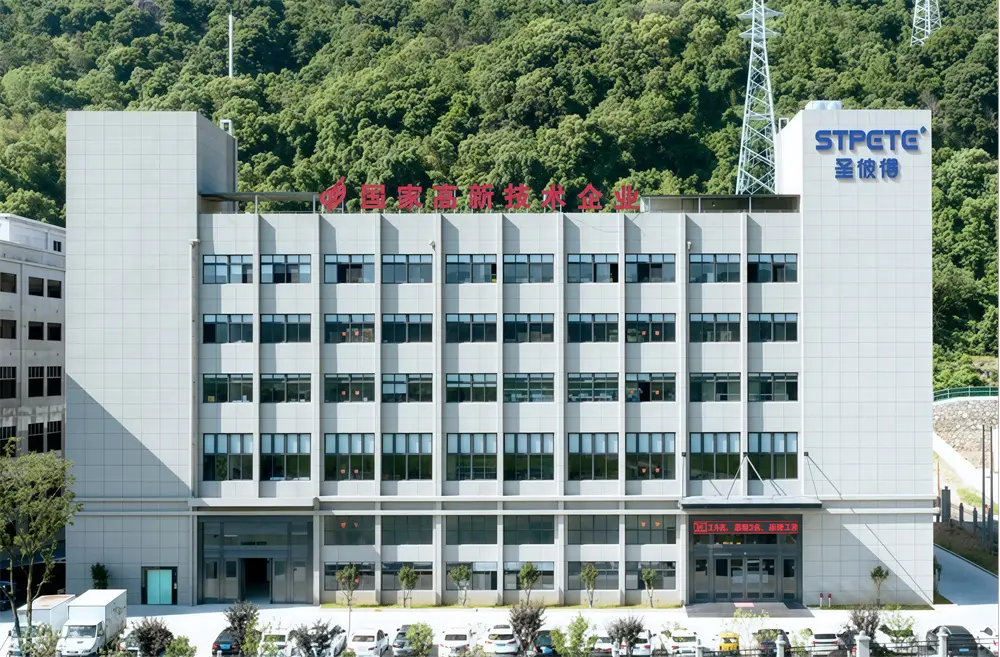
Unlocking Cost Efficiency, Design Velocity, and Scale at our Wenzhou Facility
We perform die-casting, extrusion profile design, stamping tooling development, and CNC program generation in-house. This cuts down prototype turnaround times from 6 weeks to just 8 days, streamlining the developmental cycles for new products.
By positioning our operations close to major alloy smelters, we secure constant supply and stable pricing even during volatile market cycles. We pass these cost efficiencies directly to our international clients.
With an annual R&D spend exceeding 15 million RMB, our team of over 30 design engineers develops custom thermal architectures. This ensures your components integrate cleanly with downstream assemblies.

Three core competencies that support our position as a leading global exporter
Our facility operates with over 30 technical R&D personnel, managing a budget of 15 million yuan+ and holding 21 active patents. We partner with top-tier brands like Huawei and Hisense to engineer solutions for challenging environments.

At Wenzhou Stpete Electronics, quality is our foundation. From raw material inspection to final coordinate measurement checks, every step is structured to eliminate production variations and ensure performance reliability.

Equipped with high-precision stamping machines, insert molding, and automated assembly systems, we turn raw material into finished components rapidly, maintaining consistent quality across high-volume runs.
We believe that high-performance engineering stems from tight collaboration. Every summer, Wenzhou Stpete Electronics organizes team-building initiatives to align engineering, production, and quality assurance personnel. Our goal is to build strong channels of communication across departments.
Getting outside of the factory environment helps our team return with renewed focus and energy, ready to deliver on our commitment of high-quality electronics manufacturing.
Expert Answers to Critical Sourcing & Engineering Questions
For extruded profiles, standard extrusion die development takes 7 to 10 days. Pre-production sample testing starts immediately after, and bulk manufacturing typically follows within 15 to 20 days.
Anodizing creates a thin oxide layer (typically 10-25 microns) that slightly increases surface thermal resistance, but significantly improves emissivity (radiation cooling capability) and environmental corrosion resistance.
We finish critical mounting surfaces using high-speed fly cutting CNC machining, achieving surface flatness measurements of less than 0.02 mm over a 100mm span, minimizing thermal interface gaps.
We support thermal cycle chamber testing (-40°C to 125°C), helium leak detection for liquid cold plates, salt-spray corrosion chamber runs, and CMM dimension validation reporting.
Yes, our engineering team works directly in CAD/Solidworks to make adjustments. We assess how updates impact tooling life and product performance, advising you on the best path forward.
All material shipments are accompanied by RoHS conformity statements, REACH declaration documents, SGS mill test certificates, and full dimensional inspection sheets.
Retaining Original Catalog Integrations with Enhanced Technical Alignment
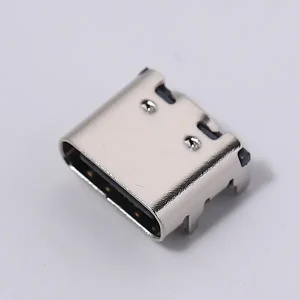
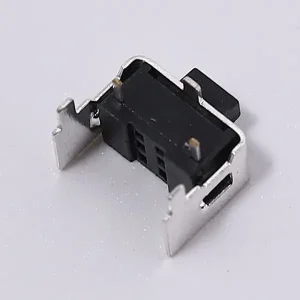
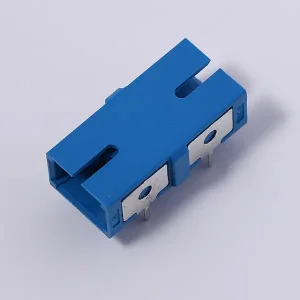
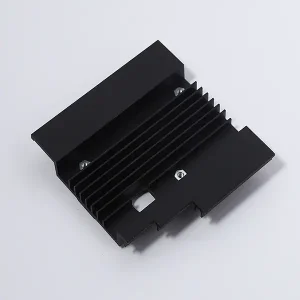
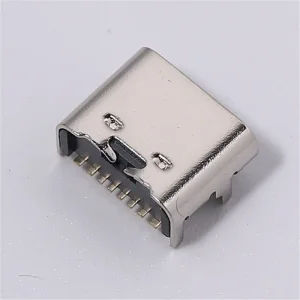
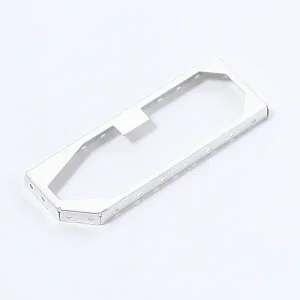
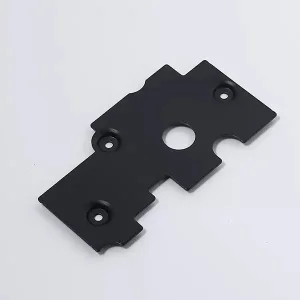
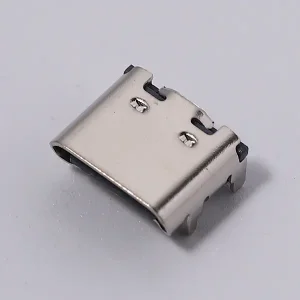
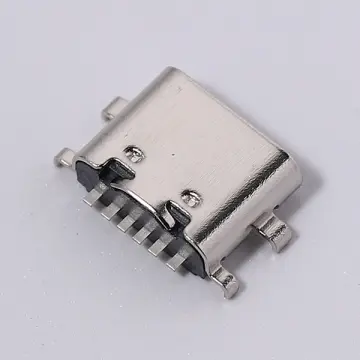
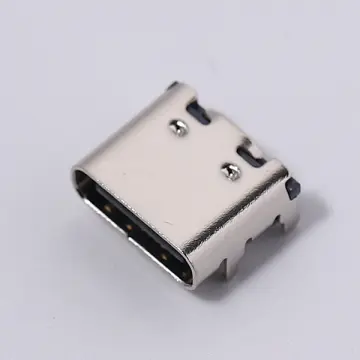
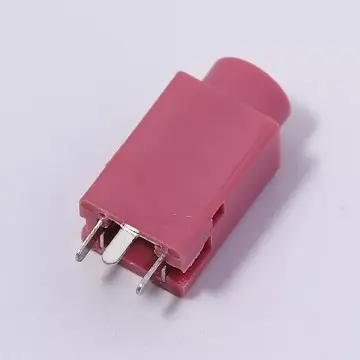
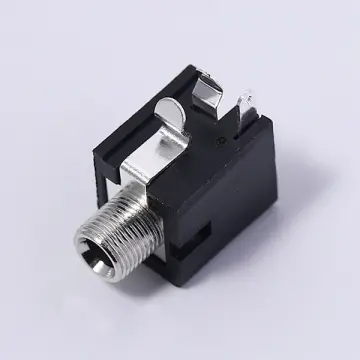
Fully Indexed Electronics Interface Directory
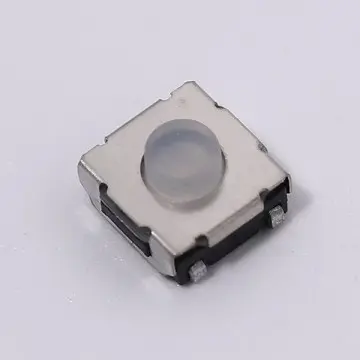
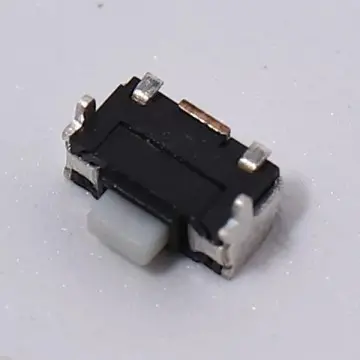
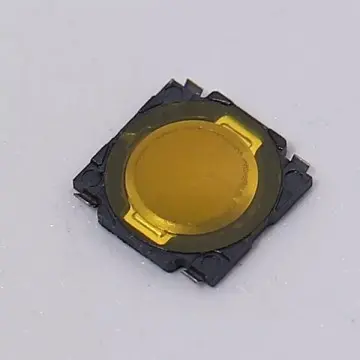
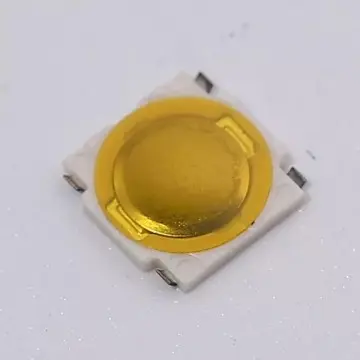
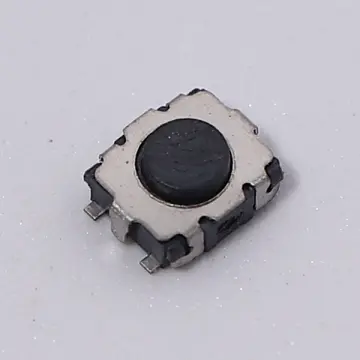
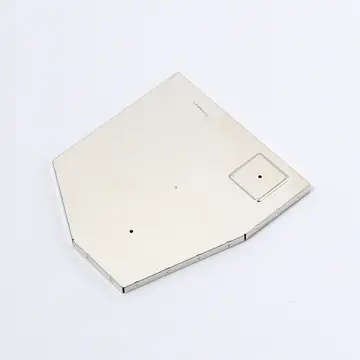
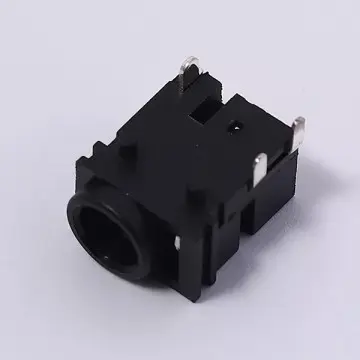
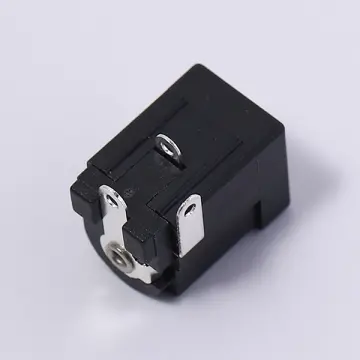
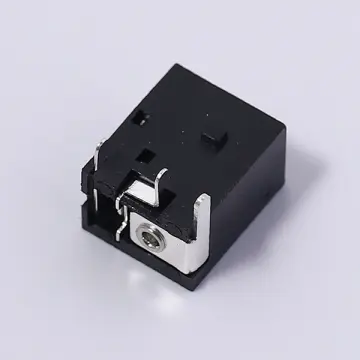
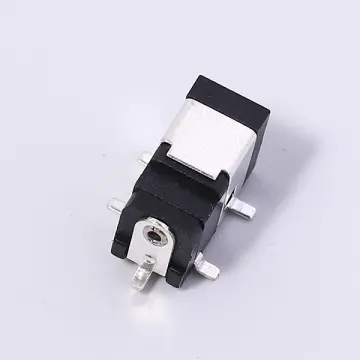
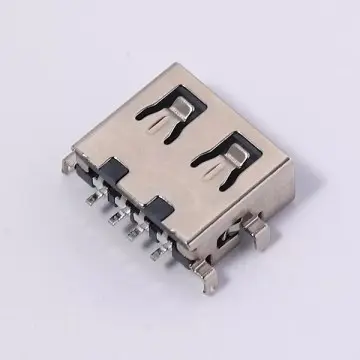
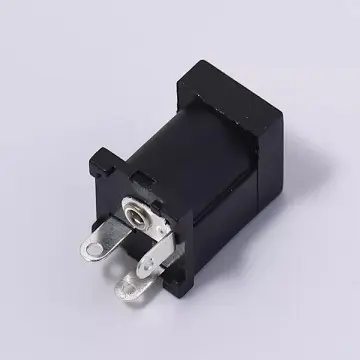
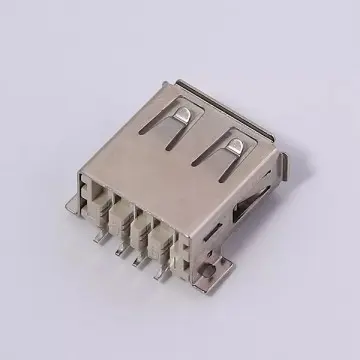
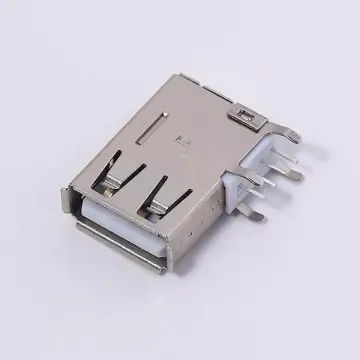
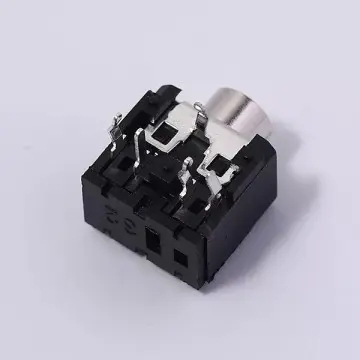
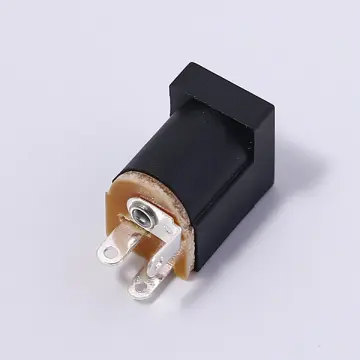
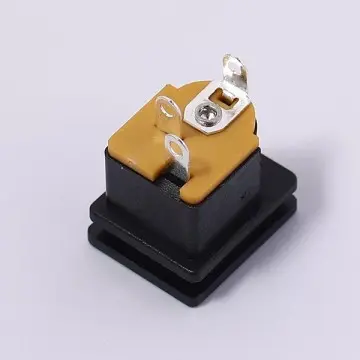
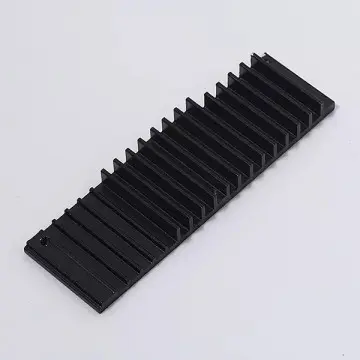
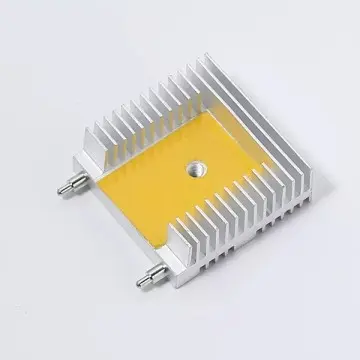
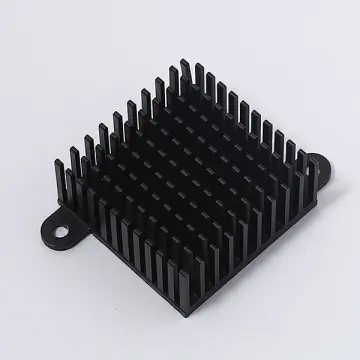
Send your 2D/3D CAD drawings (STEP, DWG, DXF) to our engineering team. We provide complete thermal evaluation reports and manufacturing quotes within 24 hours.
Initiate OEM RFQ Now Stpete Electronics