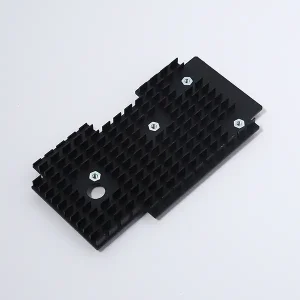
Partnering advanced electronics with critical thermal management infrastructure.
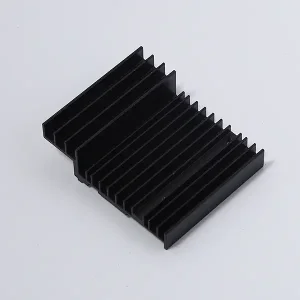
In the rapidly accelerating landscape of high-power density electronics, efficient thermal management is no longer merely a system optimization requirement—it is a critical safety and longevity benchmark. Modern electrical components, ranging from EV fast chargers to industrial variable frequency drives (VFDs) and high-output LED arrays, operate under extreme thermal stresses. Extruded aluminum heat sinks have long served as the backbone of passive and active heat transfer. However, bare or anodized aluminum options often fall short when environmental insulation, dielectric protection, and chemical resistance must be maintained simultaneously.
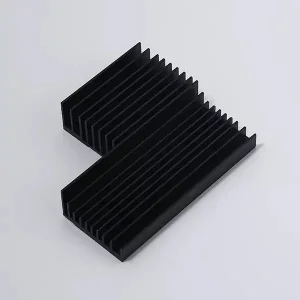
This is where powder-coated extruded heat sinks become indispensable. By combining the exceptional thermal conductivity of structural aluminum alloys (specifically the 6000 series) with a precision-cured polymer surface, manufacturers achieve superior protective properties without compromising thermal dissipation efficiency. A high-grade thermosetting powder coat offers robust insulation, protecting components from electrical tracking and short circuits while forming a barrier against moisture, marine corrosion, and mechanical impacts.

Established in 2005, Wenzhou Stpete Electronics Technology Co., Ltd. is a premier high-tech enterprise dedicated to the research, development, production, and distribution of electronic connectors, RF terminals, AV interface systems, and precision thermal radiators. We have built an international reputation for superior mechanical reliability, dimensional accuracy, and comprehensive technical advisory services.
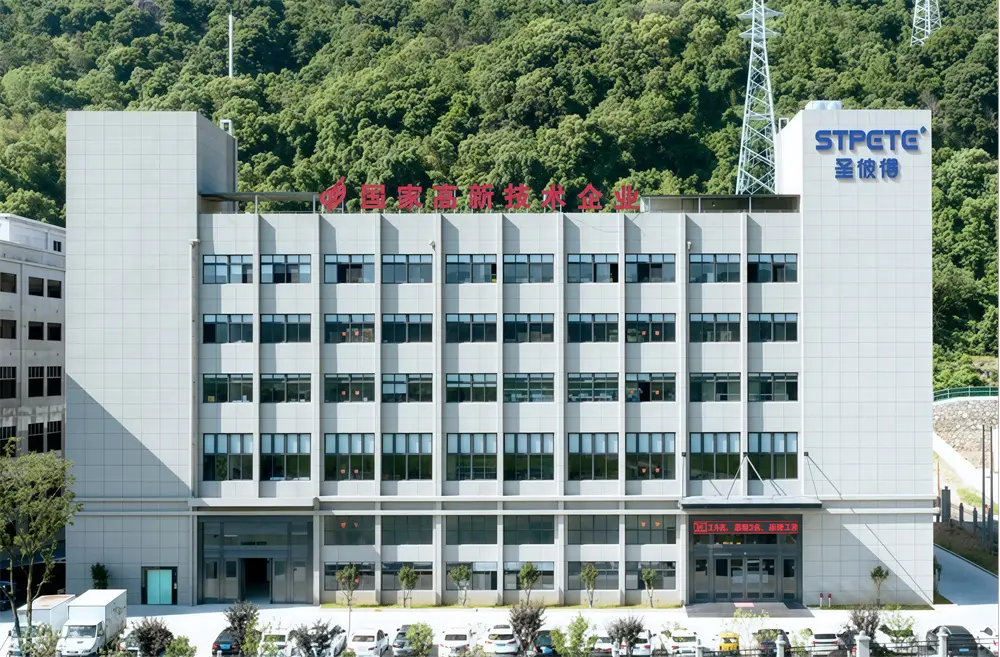
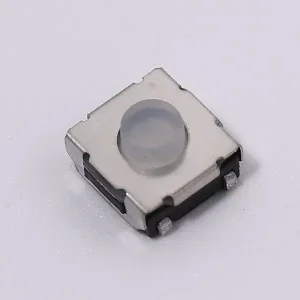
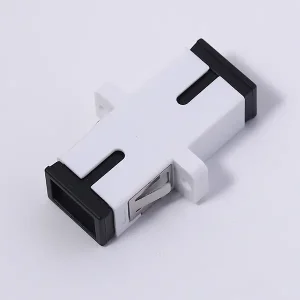
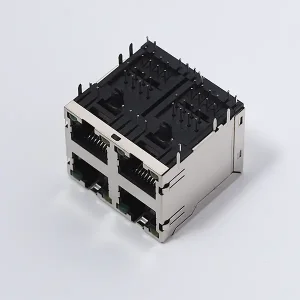
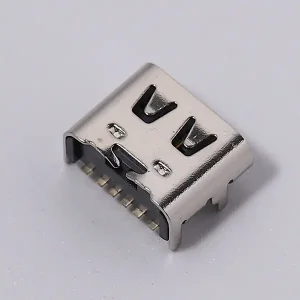
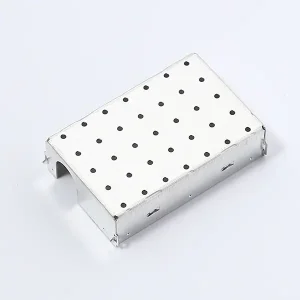
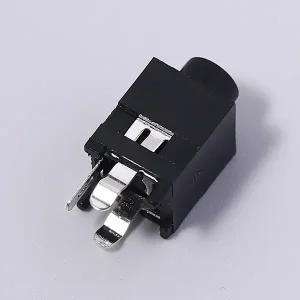
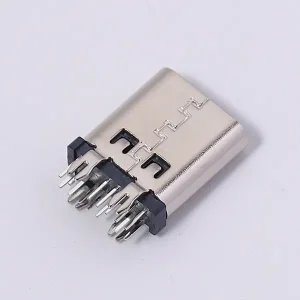
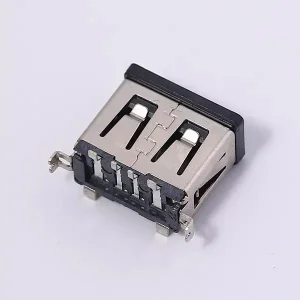
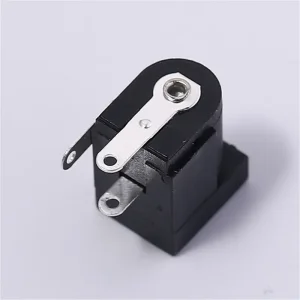
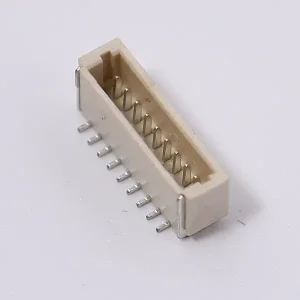
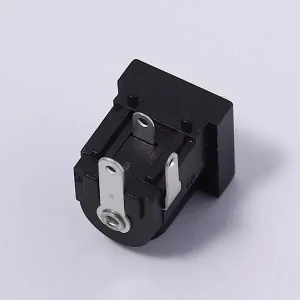
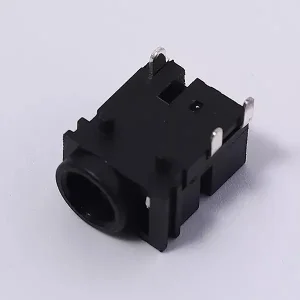
Our manufacturing facility features a comprehensive suite of equipment designed for high-precision stamping, complex milling, and high-volume extrusion processing. We produce advanced components, including IF radio-frequency terminals, PCB network jacks, DC power outlets, USB sockets, AV pin jack boards, and performance-grade aluminum radiators.
Equipped with multi-axis CNC machines and high-accuracy punching presses, we guarantee extreme dimensional repeatability. Quality assurance is integrated at every process stage, leveraging advanced coordinate measurement machines (CMM) and digital optical inspection. Our facility operates under verified ISO 9001:2015, ISO 14001, and ISO 45001 standards, ensuring environmental and worker protection alongside manufacturing consistency. With a dedicated R&D team of over 30 engineers and a portfolio of 21+ national utility patents, we collaborate closely with market-leading brands such as Huawei and Hisense to deliver robust cooling and connection frameworks.
The core challenge of powder-coated heat sinks lies in the physics of polymer layers. While aluminum alloys such as 6063-T5 exhibit thermal conductivity around $200\text{ W/m}\cdot\text{K}$, thermosetting coatings (epoxy/polyester) typically operate around $0.2 - 0.5\text{ W/m}\cdot\text{K}$. To maintain an optimal thermal pathway, the dry film thickness (DFT) must be precisely controlled.
| Property Parameter | Bare Aluminum (6063-T5) | Anodized Aluminum | Powder-Coated Aluminum (Stpete Standard) |
|---|---|---|---|
| Thermal Conductivity (Alloy Core) | 201 W/m·K | 201 W/m·K | 201 W/m·K |
| Surface Emissivity ($\epsilon$) | 0.05 - 0.10 (Low) | 0.80 - 0.85 (Medium-High) | 0.90 - 0.95 (Exceptional) |
| Dielectric Breakdown Strength | Negligible | ~0.5 - 1.0 kV | > 5.0 kV (Depending on DFT) |
| Salt Spray Corrosion Resistance | Poor (< 48 hrs) | Moderate (168 - 336 hrs) | Excellent (> 1000 hrs ASTM B117) |
| Micro-adhesion Stability | N/A | Excellent | 5B Grade (Cross-Hatch ASTM D3359) |
To prevent the powder coating from acting as a thermal insulator, our engineering team utilizes electrostatic spray deposition (ESD) with optimized particle sizing. This maintains a thin, highly consistent coating thickness between 45 and 65 microns. High-density fillers, including boron nitride or aluminum oxide nanoparticles, are incorporated into our polymer formulations to elevate the thermal conductivity of the dry film to 1.5 W/m·K. This approach preserves the dielectric breakdown rating of over 10 kV while minimizing thermal resistance.
Our technical roadmap focuses on three main developments:
Reducing film thickness below 35 microns while maintaining high breakdown voltages using hybrid polyurethane-polyimide powders.
Integrating microscopic metal-oxide crystals into the coating matrix to increase radiative thermal emission in enclosed spaces.
Upgrading to multi-stage chrome-free conversion coating lines to guarantee paint adhesion and eco-friendly compliance.
Powder-coated extruded heat sinks are widely utilized across multiple key industrial sectors. Their ability to withstand mechanical wear and environmental exposure makes them a preferred choice for harsh operating conditions.
With the rapid expansion of EV charging networks, Level 3 DC fast chargers require cooling solutions that can withstand rain, dust, and coastal salt mist. Powder-coated radiators prevent electrical leakage and isolate high-voltage power electronics under harsh outdoor conditions.
Outdoor macro cells mounted on utility poles are exposed to extreme UV rays and ambient temperature swings. The high emissivity of powder coatings allows telecommunication units to efficiently radiate heat, reducing the need for active fan cooling and extending system reliability.
Solar string inverters and wind turbine pitch control systems are often installed in remote, high-humidity environments. Specialized coatings protect the aluminum fins from galvanic corrosion when mounted to steel frames, maintaining thermal performance over decades.
In chemical factories and heavy manufacturing plants, airborne particulate matter can bridge bare aluminum fins, leading to electrical arc failures. Powder coatings provide dielectric insulation across the external surface of the heat sink, preventing particulate conduction.
As a major manufacturing hub, China’s industrial ecosystem offers unmatched vertical integration. Wenzhou Stpete Electronics Technology Co., Ltd. leverages this ecosystem to streamline every phase of production, from raw material procurement to custom extrusion, precision machining, electrostatic coating, and final assembly.
With a staff of 30+ R&D personnel and over 15 million yuan invested annually, we provide rapid DFM (Design for Manufacturability) analysis, transforming custom specifications into finished extrusion dies within 10 to 14 days.
Quality control is critical for long-term reliability. We test chemical purity, mechanical tensile strength, coating thickness, and heat transfer efficiency, ensuring all materials meet strict specifications before leaving the factory.
Our facility features automated insert molding, high-tonnage stamping, and continuous extrusion lines. This level of automation reduces labor overhead, minimizes human error, and allows us to scale production efficiently to meet large orders.
At Stpete, we believe that technological innovation is driven by collaborative teamwork. In the summer of this year, our company organized an outdoor team-building activity to strengthen cohesion and foster teamwork. The event took place in a picturesque natural setting, providing a perfect backdrop for enhancing team spirit and collaboration.
Through a series of challenging and fun exercises, participants had the opportunity to work together, communicate effectively, and solve problems as a team. This event allowed our engineering, production, and quality assurance divisions to build stronger working relationships outside the confines of the office environment.
One of the highlights of the day was a series of team-based challenges that required trust, coordination, and quick thinking. These activities encouraged individuals to step out of their comfort zones, build trust in their colleagues, and see the value of working together toward a common goal. This focus on cohesion and collaboration directly translates to our manufacturing processes, ensuring high quality and attention to detail at every step.

Get answers to key technical questions about custom-extruded, powder-coated heat sinks.
High-reliability electronics interfaces and cooling profiles designed for extreme operating conditions.
For inquiries about our custom extruded heat sinks, precision electronic connectors, or detailed price lists, please contact us. Our technical team will respond with a preliminary engineering review and quotation within 24 hours.
Submit RFQ / Contact Us Stpete Electronics