Featured core catalog including RF interfaces, optical links, network jacks, tactile switches, and high-frequency shielding components.
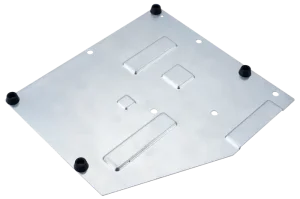
In modern electronic systems design, electromagnetic compatibility (EMC) is not just a regulatory check-off; it is a fundamental pillar of system integrity. As signal speeds escalate into the gigahertz spectrum and RF components are densely integrated onto single PCBs, the challenge of containing unwanted radiated emissions becomes exponential. A stainless steel shielding cover (commonly referred to as a shielding can or board-level shield) remains the first line of defense. By providing a low-impedance path to ground and enclosing sensitive RF transceivers, processors, and power management units, these specialized enclosures inhibit electromagnetic interference (EMI) and radio frequency interference (RFI) from compromising system reliability.
Stainless steel grades like SUS304 and SUS316 offer a unique combination of mechanical stiffness, corrosion resistance, and high-frequency shielding effectiveness (SE). Compared to alternative materials such as Copper or Nickel Silver, stainless steel maintains high mechanical integrity even at very thin gauges (down to 0.10 mm). This structural strength is crucial for modern automated surface mount technology (SMT) handling, where the flatness and coplanarity of the shield are vital to ensure flawless solder joints on high-volume production lines.
The global demand for high-performance board-level shielding is surging, driven by key macro trends in industrial automation, 5G infrastructure, electric vehicle (EV) ADAS modules, and smart consumer grids. Procurement heads at global hardware manufacturers face multi-dimensional challenges: balancing high-volume, cost-effective OEM production with extremely strict dimensional tolerances (typically within ±0.02 mm). Crucially, the sourcing checklist has shifted from basic cost-per-part dynamics to a comprehensive assessment of engineering support, chemical compliance, and production scalability.
As leading electronics systems shift toward sub-6GHz and millimeter-wave frequencies, the design of the shield must account for advanced thermal considerations. Incorporating perforated venting patterns without compromising the shielding effectiveness (based on slot-aperture leakage formulas) is a classic engineering trade-off. Working with an OEM manufacturer that provides in-house tooling design, progressive stamping simulation, and high-precision CNC tooling guarantees that these structural details are integrated into the product design long before the mass production stage.
| Material Type | Shielding Effectiveness (SE) | Solderability Performance | Corrosion Resistance | Typical Application Field |
|---|---|---|---|---|
| Stainless Steel (SUS 304/316) | Excellent (Medium-to-High Freq) | Requires Pre-tinning / Nickel Plating | Outstanding | Automotive, Outdoor Telecom, Smart Industrial Devices |
| Nickel Silver (C7701/C7521) | Good (Wide Spectrum) | Directly Solderable | Good | Smartphone PCB, GPS Modules, Consumer Electronics |
| Tin-Plated Steel (SPCC-SD) | Excellent (Low-to-Medium Freq) | Outstanding | Moderate (Requires continuous plating) | Broadband Modems, General Power Boards |
| Beryllium Copper (C17200) | Superb (High Electrical Conductivity) | Excellent | Excellent | Precision RF test fixtures, High-reliability Mil-Spec systems |
Established in 2005, Wenzhou Stpete Electronics Technology CO., LTD has evolved into a premier high-tech enterprise specializing in the comprehensive development, high-precision production, and global sales of electronic connectors, RF terminals, and shielding enclosures. Over the past 20+ years, we have solidified a stellar reputation among customers across domestic and international markets, built upon a foundation of uncompromising quality and efficient, end-to-end trading solutions.
Our manufacturing infrastructure is designed to deliver industry-leading accuracy. By employing high-speed progressive punching lines, advanced CNC centers, and automated insert molding technologies, we serve the most demanding technological markets. We maintain an active and deeply collaborative relationship with premier global brands, including Huawei and Hisense, working side-by-side on specialized RF shielding systems and high-reliability connectivity networks.

Providing custom shielding cover solutions designed, simulated, and stress-tested in-house.
Backed by an annual R&D investment exceeding 15 million RMB and an elite engineering squad of 30+ technical R&D experts. We own over 21 utility and structural patents, allowing us to simulate complex electromagnetic shielding fields before tooling fabrication.
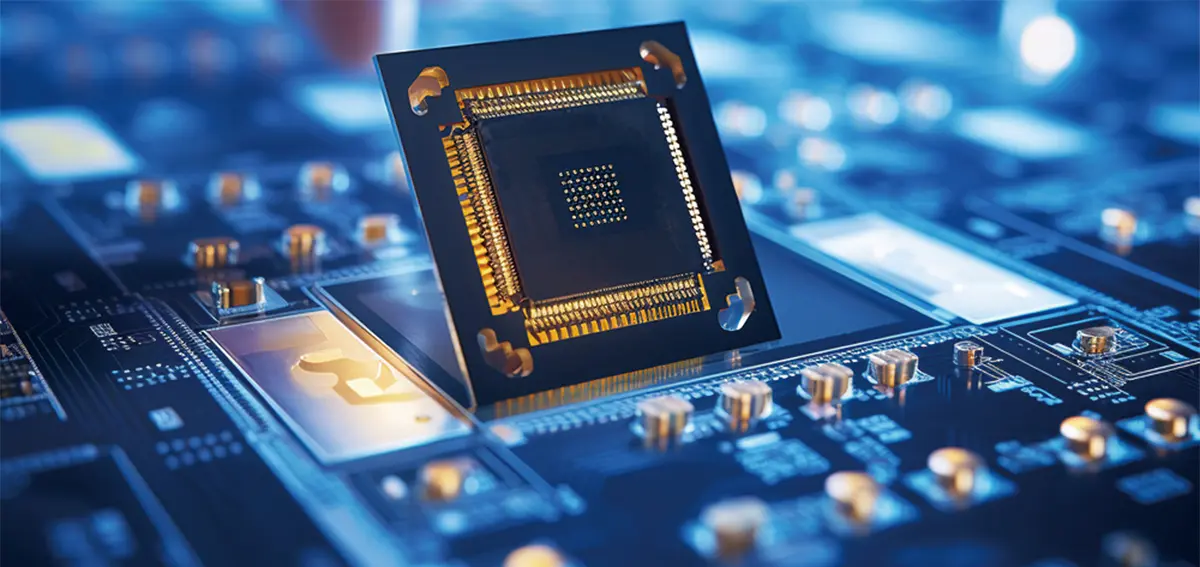
Operating under certified ISO 9001, ISO 14001, and ISO 18001 / 45001 management programs. For St. Peter, quality is our lifeline. We inspect raw materials, integrate multi-phase vision check stations, and run rigorous structural tolerance tests.

Equipped with sophisticated progressive dies, high-precision punching systems, CNC machinery, and insert molding. We execute complex shielding designs with continuous precision, ensuring absolute flatness to avoid coplanarity faults.


An excellent shield begins with high-precision engineering. Our tooling design department utilizes advanced CAD/CAM modeling and stamping process simulators to analyze material flow. Because stainless steel exhibits natural spring-back behaviors after bending, our tooling is compensated dynamically to guarantee that the final component matches the 3D model exactly.
Whether you require a standard single-cavity shielding cover or a highly customized multi-cavity labyrinth shield to isolate multiple RF chips on a single board, we design tooling that operates reliably over millions of stamping cycles, keeping down-time at zero.
For surface mount shields, coplanarity is the most critical quality metric. If the shield's contact edges deviate from a flat plane by more than 0.08 mm to 0.10 mm, it will cause critical solder voids or bridges during reflow. We address this issue by incorporating online optical measurement systems that screen 100% of finished shielding cans before packaging, ensuring seamless pick-and-place performance.
Our metrology laboratory is equipped with a complete set of diagnostic tools to support the mechanical and chemical reliability of our outputs: IF Radio-Frequency Terminal Analysers, FCB Network Jack Testers, CNC coordinate measuring equipment, SMT reflow simulators, and salt spray chambers. This allows us to guarantee that our stainless steel covers maintain their physical and aesthetic properties even in highly corrosive marine or industrial operating conditions.
At Wenzhou Stpete Electronics, we firmly believe that technological innovation is fueled by a strong, cohesive team. In alignment with this principle, we regularly organize team-building activities, helping our employees build deep trusts, exchange ideas, and recharge their creative energies outside the office environment.
Through a series of challenging and fun exercises, participants work together to problem-solve as a unified force. These dynamics encourage trust and quick thinking, prompting employees to step out of their comfort zones and see the value of true cooperation. This connection directly translates into better coordination on the factory floor, driving the efficiency and precision of our OEM manufacturing processes.

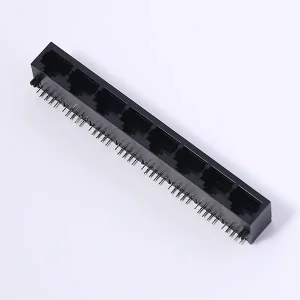
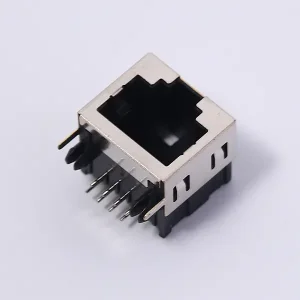
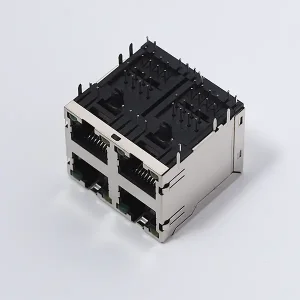
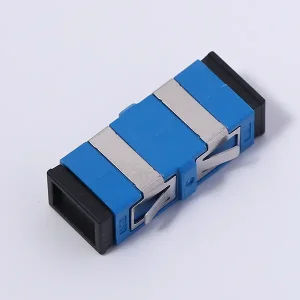
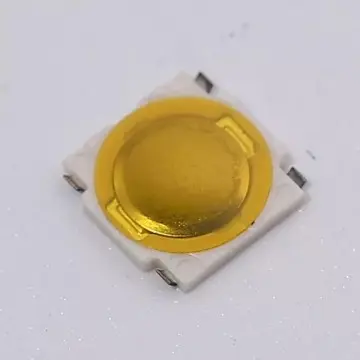
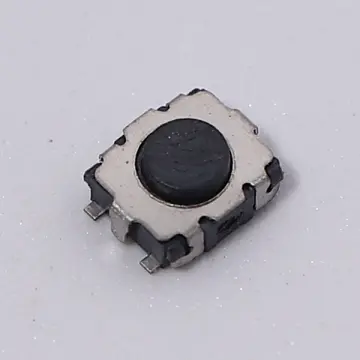
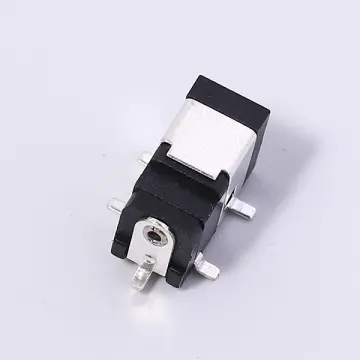
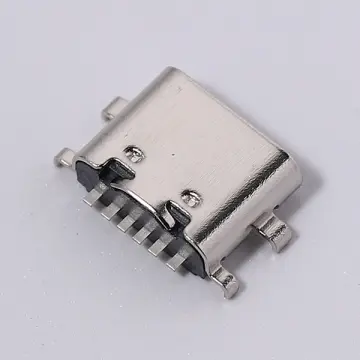
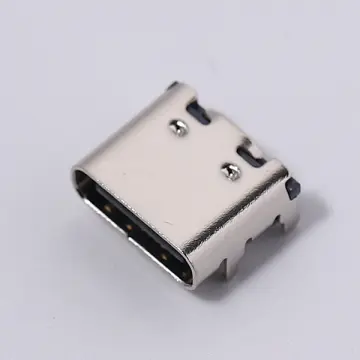
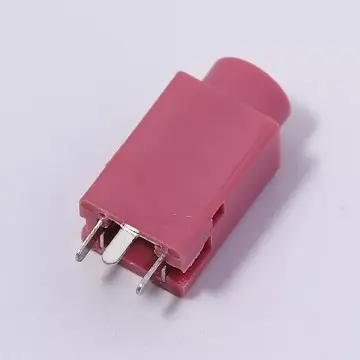
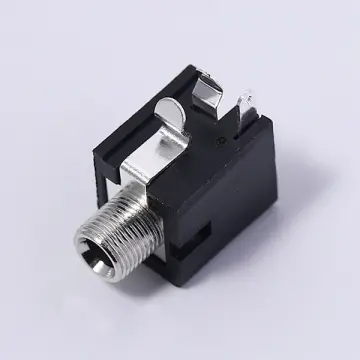
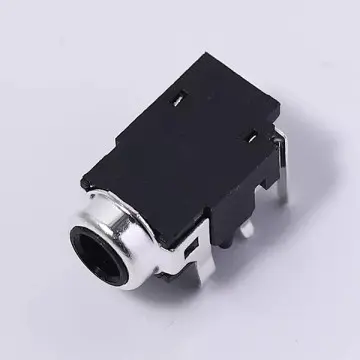
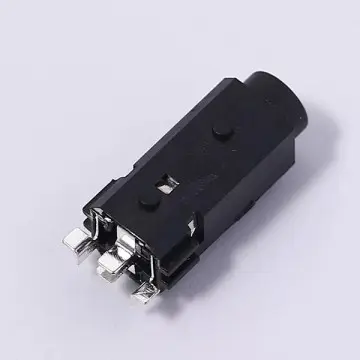
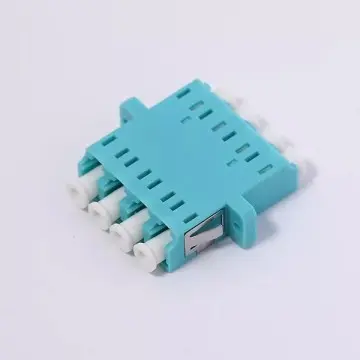
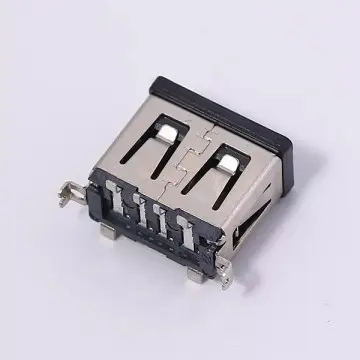
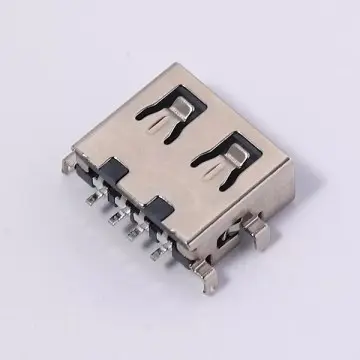
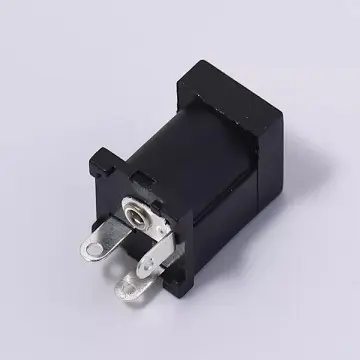
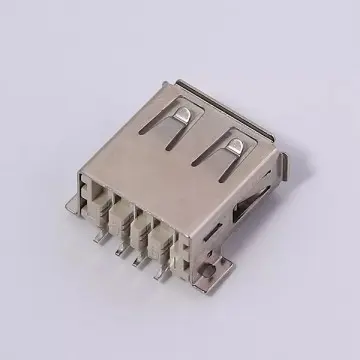
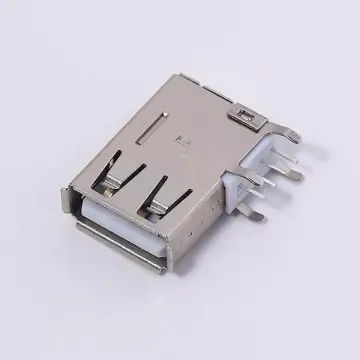
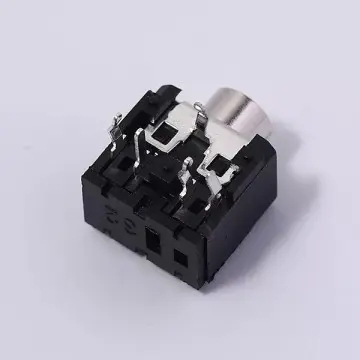
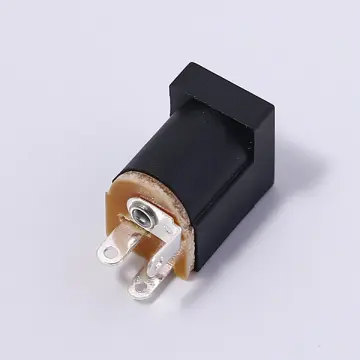
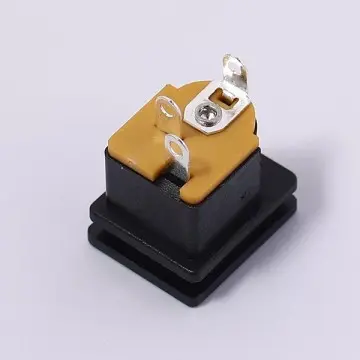
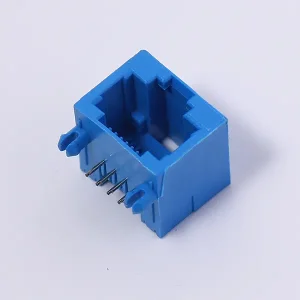
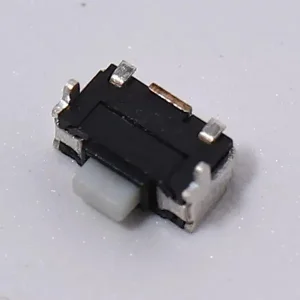
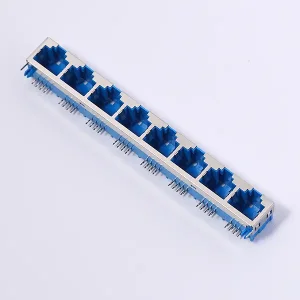
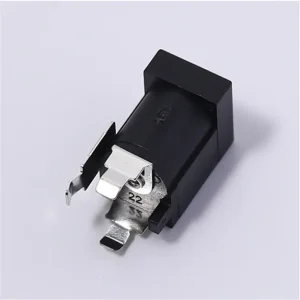
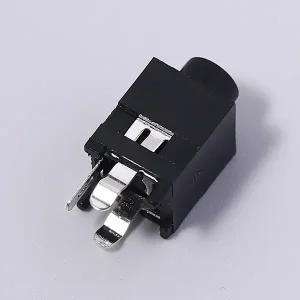
Below is our extensive selection of tactile switches, signal interface jacks, RF terminals, and connectors.
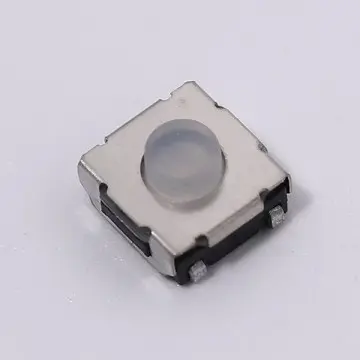
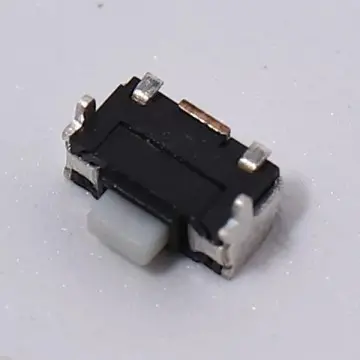
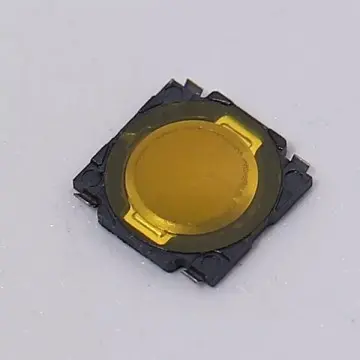
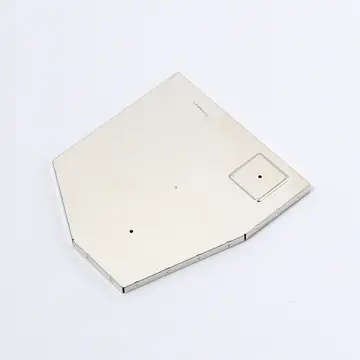
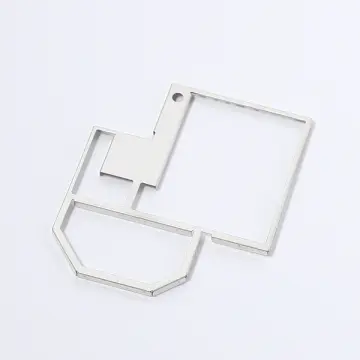
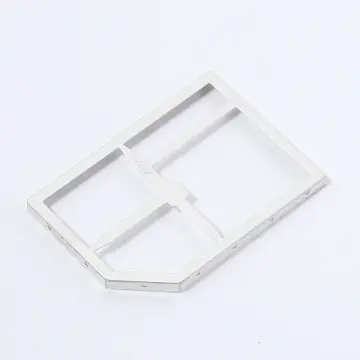

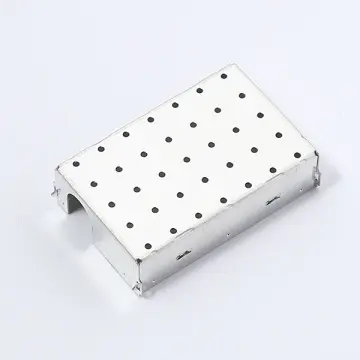
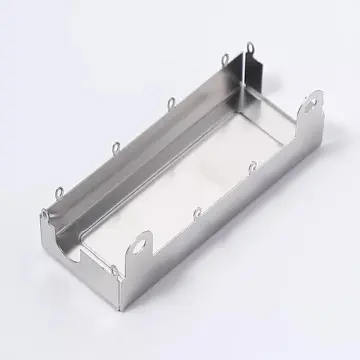
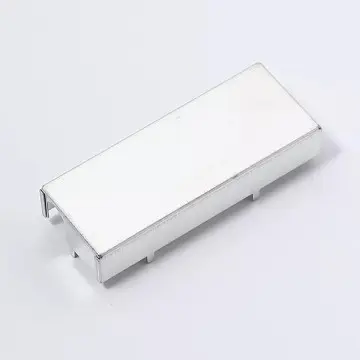

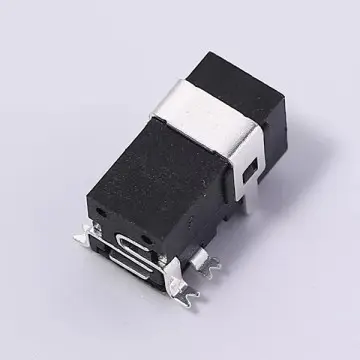
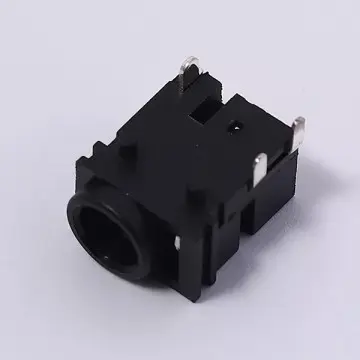
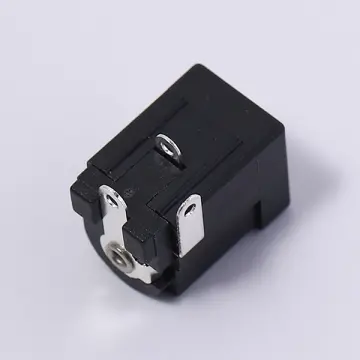
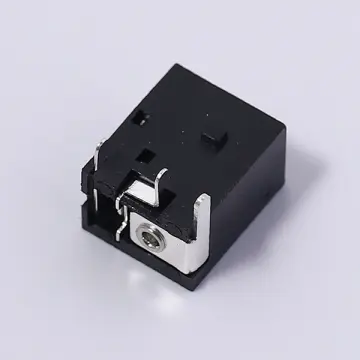
As modern smart devices transition toward extremely dense multi-layered architectures, the board-space allocated to shielding cans has decreased substantially. Next-generation systems demand profiles lower than 1.0 mm, pushing the limits of stainless steel sheet metal forming. Stpete Electronics is leading this charge by investing in ultra-precise micro-stamping dies capable of processing 0.08 mm thin stainless steel. These ultra-thin covers preserve internal vertical space while maintaining the deflection resistance needed to withstand automatic vacuum nozzle operations during SMT assembly.
Isolating different modules (e.g., Bluetooth, Wi-Fi, GPS, and high-frequency amplifiers) from one another historically required placing individual shielding cans over each circuit cluster. To optimize board space, reduce component counts, and lower cumulative weight, we are developing multi-cavity shielding covers. These advanced components feature internal cross-walls that selectively partition different zones on a single PCB, offering tailored electromagnetic isolation without increasing the physical footprint.
Stainless steel's natural passivation oxide layer provides exceptional corrosion resistance but makes direct SMT soldering difficult. To overcome this limitation, we apply advanced selective plating technologies—such as pre-tinning, nickel flash plating, or selective gold-plating on target contact pads. This guarantees reliable solder adhesion, lowers contact resistance to ground, and eliminates the need for aggressive flux chemistries during PCB reflow processes.
Operating as an OEM/ODM provider for top-tier global brands requires strict adherence to international material safety standards. We maintain comprehensive documentation and perform strict verification on our supply chain to ensure every batch of stainless steel conforms to:
We are fully committed to conflict-free sourcing policies. All metals, including plating chemistry and base materials, are traced back to certified conflict-free smelters, providing global corporations with clean, compliant audits for their environmental, social, and governance (ESG) reporting.
Addressing the core technical questions from engineering managers and global procurement heads.
For inquiries about custom stainless steel shielding covers, tooling capabilities, or to request a pricing estimate, send us your technical parameters and 2D/3D CAD drawings. Our engineering division will analyze your designs and follow up within 24 hours.
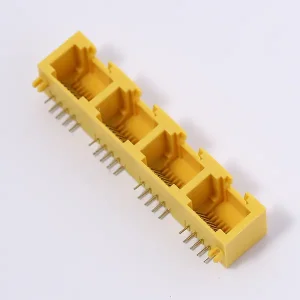
Additional electrical interface solutions engineered for global communications and computing networks.
 Stpete Electronics