High-thermal conductivity aluminum enclosures and heat sinks optimized for Denmark's industrial electronics demand.
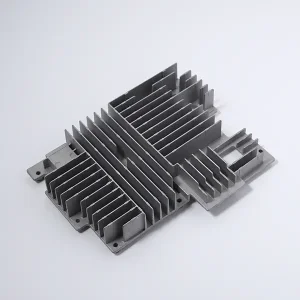
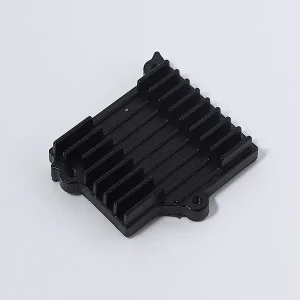
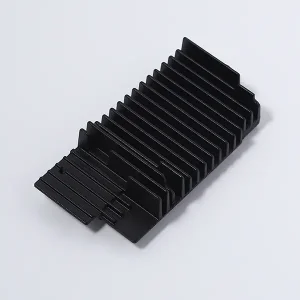
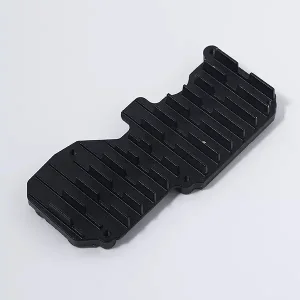
Bridging Danish sustainable technology engineering with high-performance heat dissipation hardware.
Denmark has positioned itself as a global powerhouse for renewable energy, smart grid infrastructure, and state-of-the-art power electronics. Industrial giants based in Nordborg, Aarhus, and Copenhagen continuously push the boundaries of high-power frequency converters, wind turbine control hubs, intelligent pump systems, and district heating grid controls. Under Denmark's ambitious climate targets (Green Transformation / Grøn omstilling), power densities in silicon-carbide (SiC) and gallium-nitride (GaN) semiconductor devices have reached unprecedented thresholds.
This massive rise in heat flux demands advanced heat dissipation units. Die cast aluminum heatsinks serve as the foundational housing and thermal pathways for these systems, preventing thermal runaway and ensuring operational lifetimes exceeding 25 years in harsh North Sea environments.
For Danish OEMs, securing heatsink suppliers that comply with both strict environmental directives (RoHS, REACH) and tight geometric tolerances is critical to maintaining market dominance.
The transition toward high-pressure die casting (HPDC) from standard extrusion models has accelerated globally. HPDC permits complex 3D fin geometries, integrated mounting brackets, and varying wall thicknesses in a single casting run. This cuts secondary assembly costs and minimizes material waste. As supply chains adapt to global uncertainties, European buyers are seeking suppliers that offer a blend of rapid mold prototyping, advanced engineering simulations, and deep manufacturing transparency.
Modern heatsinks are no longer just basic aluminum plates with extruded fins. Industrial designers in the European market now mandate computational fluid dynamics (CFD) verification, structural analysis, and mold-flow analysis to optimize thin-wall structures. Using precision die casting, thermal design engineers can create curved, pin-fin, or staggered layouts that boost convective heat transfer coefficients by up to 35% compared to linear extrusions, facilitating better thermal flow within tightly packed control panels.
We are a high-tech enterprise specialized in the development, production, and sales of electronic connectors, high-precision heatsinks, and custom die cast housings.
Established in 2005, Wenzhou Stpete Electronics Technology Co., Ltd. has spent nearly two decades mastering thermal interface components and electrical connector engineering. Over this period, we have developed a solid reputation across both domestic and international markets by prioritizing structural precision, high-efficiency manufacturing processes, and robust quality control standards.
To support high-power industrial and automotive electronics, we utilize high-tonnage cold chamber and hot chamber die casting units, alongside multiple multi-axis CNC machining stations. This specialized tooling array allows us to consistently meet the strict geometrical tolerances required by Tier-1 telecommunication and electronics enterprises globally.

Every step, from raw melt to surface anodization, is closely monitored and validated.
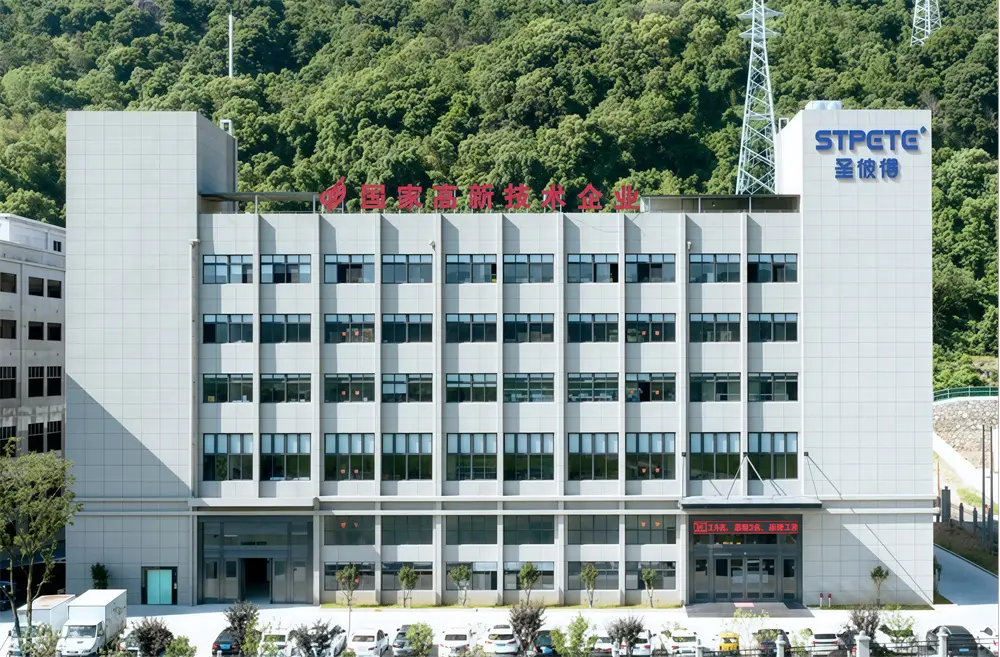
We maintain a comprehensive suite of hardware dedicated to manufacturing IF Radio-Frequency Terminals, FCB Network Jacks, DC Power Outlets, USB Sockets, AV Pin Jack Boards, and high-performance Radiators/Heatsinks. Our facility operates high-speed stamping presses and precision CNC equipment, ensuring consistent accuracy across production runs.
Our quality assurance protocol includes incoming material inspection, in-process checking at key production stages, and final performance verification using coordinates measuring machines (CMM), optical sorting tools, and salt spray testing chambers. These procedures allow us to isolate and resolve material variations before they impact final output.
We operate in accordance with ISO 9001, ISO 14001, and ISO 45001 management standards. Additionally, we hold multiple design patents and support thermal development initiatives in partnership with major telecommunications players like Huawei and Hisense.

How our integrated raw material ecosystems and automated toolmaking translate to competitive advantage for Denmark.
Using CAD/CAM packages and molten metal flow simulation software, we reduce mold design-to-build times down to 25-30 days. This allows Danish industrial designers to quickly prototype and validate their thermal concepts before proceeding to high-volume manufacturing.
While die casting achieves near-net shapes, critical mating faces for IGBTs and power electronics modules require flat, smooth interfaces. Our CNC machining stations maintain flatnesses down to 0.05 mm, minimizing thermal contact resistance.
We deploy vacuum-assisted die casting techniques to mitigate internal porosity. We also conduct internal ultrasonic or X-ray inspections to ensure physical reliability for offshore wind turbine converters and other high-stress applications.
Danish procurement officers often balance component quality against total cost of ownership. By partnering with Wenzhou Stpete Electronics, you gain access to raw material networks, automated processing systems, and structured quality frameworks. This helps reduce lead times and lower defect rates, ensuring dependable delivery to hubs in Esbjerg, Aarhus, and Copenhagen.
We regularly organize outdoor team-building activities to strengthen cooperation, build mutual trust, and encourage teamwork among our employees. These events provide our teams with opportunities to step out of their day-to-day routines, improve communication, and address collaborative challenges together.
These exercises help build interpersonal trust and encourage creative thinking. The outdoor settings also allow our staff to recharge, helping them return to their engineering and quality control roles with renewed focus and energy.
"Building trust and direct communication channels within our workforce is critical for maintaining consistency in our design, toolmaking, and mass production workflows."
Stpete Operations & Engineering ManagementUnderpinned by capital reinvestments and dedicated R&D frameworks.
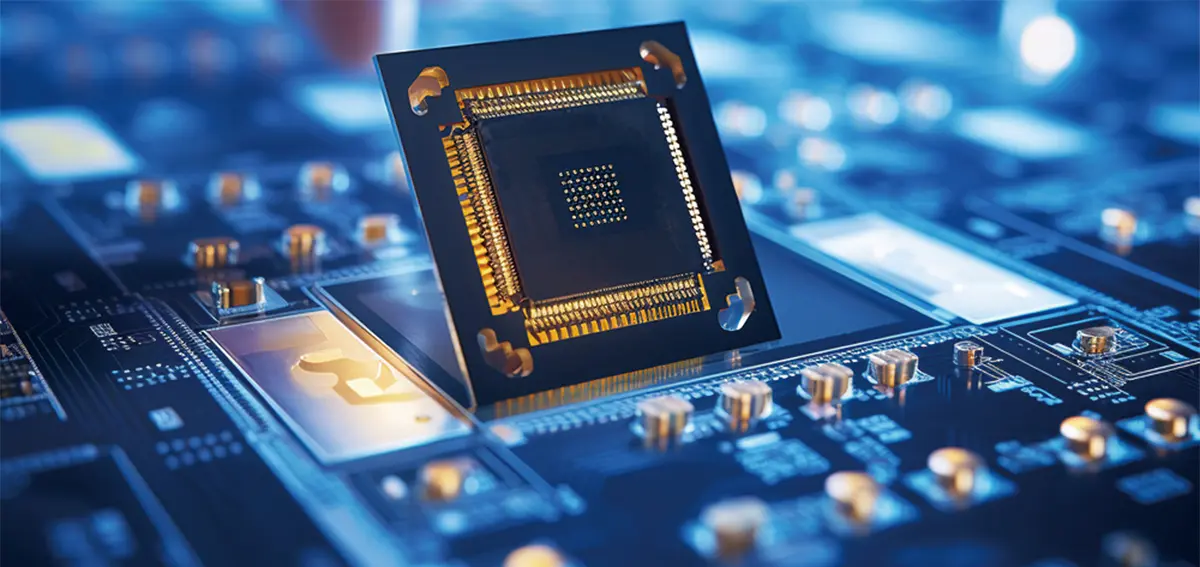
We employ more than 30 technical R&D personnel and reinvest 15 million RMB annually in engineering equipment, resulting in 21 active research and development patents.
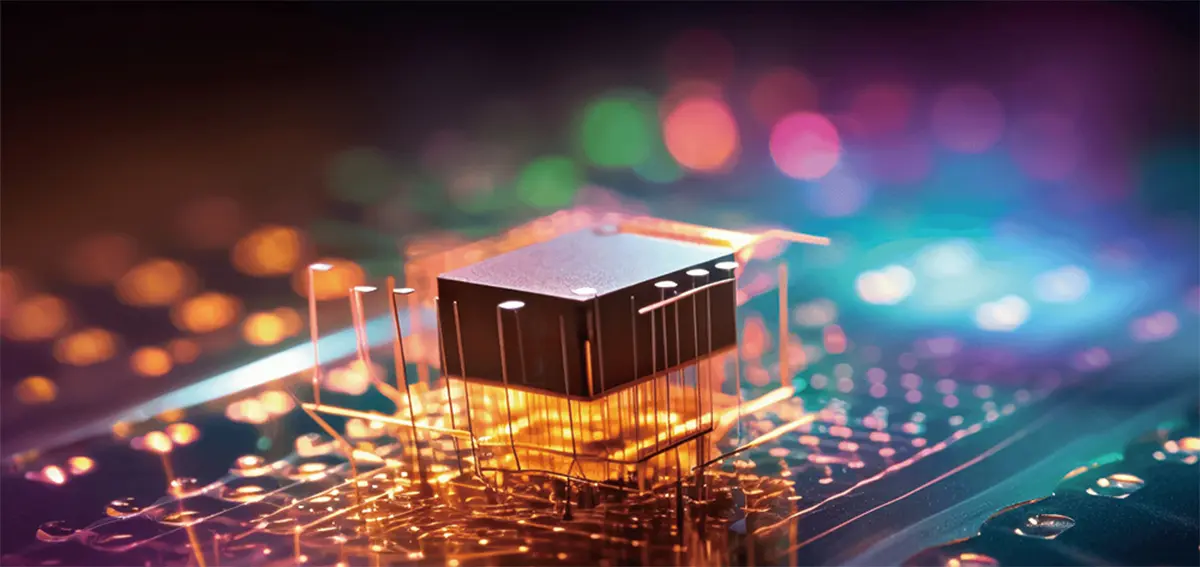
Quality is the foundation of our manufacturing philosophy. We inspect each component from raw alloy ingot loading through casting, machining, and final surface treatment.

Our facility integrates insert molding, finished assembly, and automated die casting units to maintain consistent quality and output volumes.
Whether you require validation samples, thermal analysis, or high-volume die casting runs, our engineering team is here to assist. We provide detailed pricing quotes and design analysis within 24 hours.
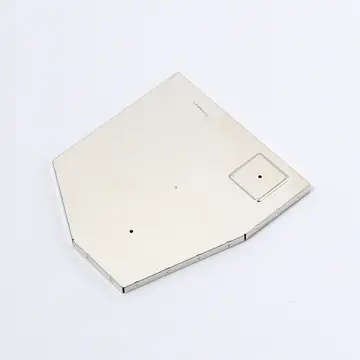
Get an Instant Thermal Component QuoteBrowse our selection of certified aluminum heatsinks, interfaces, and electronic connectors.
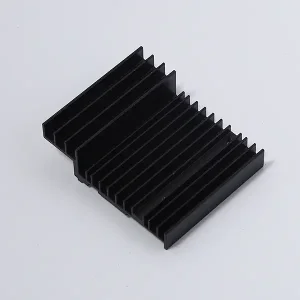
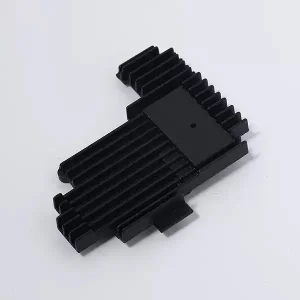
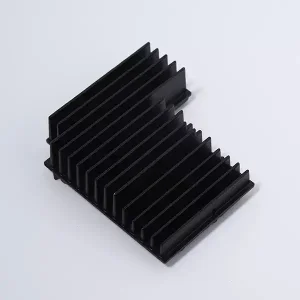
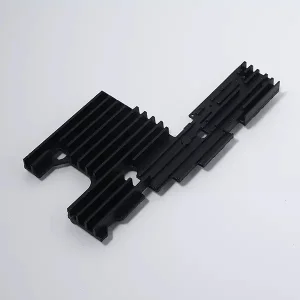
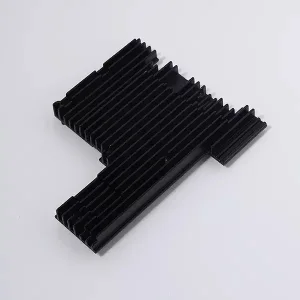
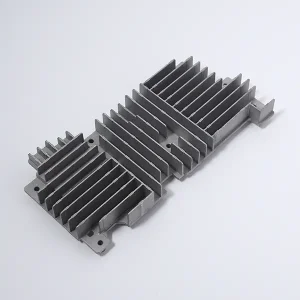
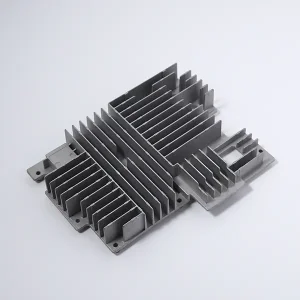
Precision interconnect elements designed for industrial controls and electronic networks.
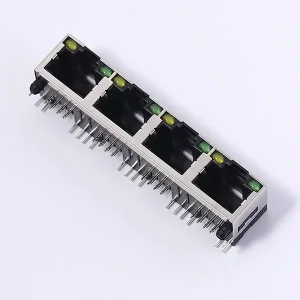
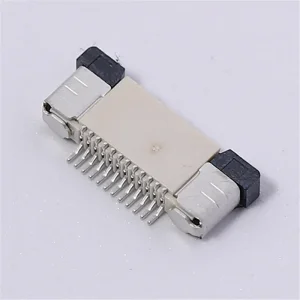
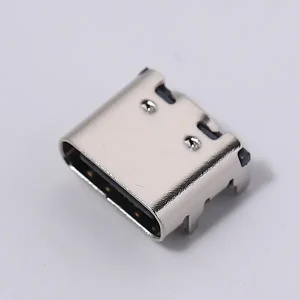
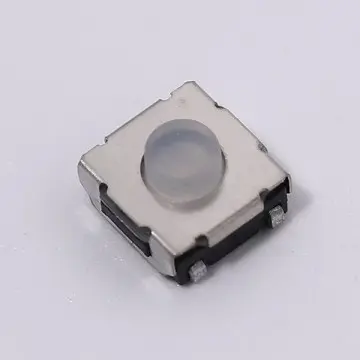
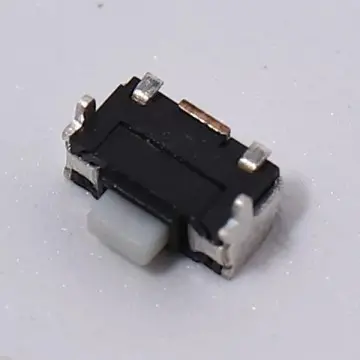
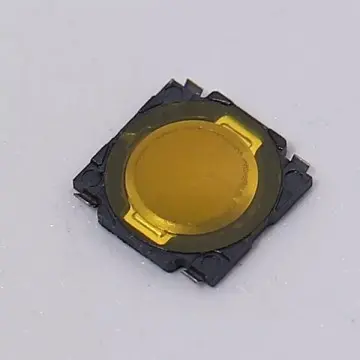
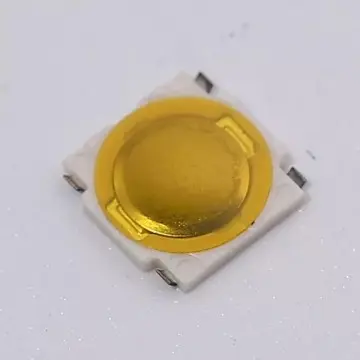
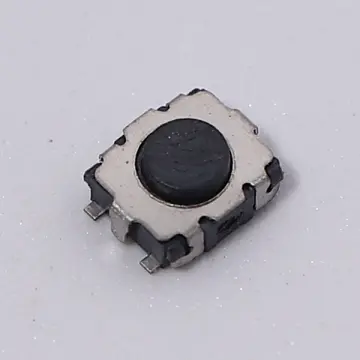
Direct factory sourcing of micro-switches, audio jacks, and DC power terminals.
Answers to technical questions regarding die cast heatsinks, material specifications, and quality validation.
We primarily utilize EN AC-46000 (AlSi9Cu3(Fe)), EN AC-44300 (AlSi12(Fe)), and A380/A360 equivalent alloys. For projects requiring high thermal conductivity, we process AlSi10Mg(Fe) or custom alloys that balance castability and mechanical strength. This helps ensure components can withstand high operational temperatures while maintaining structural integrity.
Porosity is mitigated through vacuum-assisted die casting (VDC) systems that draw air out of the mold cavity before molten metal injection. Additionally, we conduct computer-simulated mold-flow analysis to optimize gate placement and control injection profiles. In-house X-ray inspection is also used to verify structural soundness before delivery.
For outdoor or marine environments, such as offshore wind converters or maritime control modules, we recommend chromate-free conversion coatings followed by epoxy-based powder coatings or high-thickness anodization. These methods help resist saltwater exposure and conform to ISO 12944 corrosion protection standards.
Through post-cast precision CNC machining, we can achieve tolerances down to ±0.01 mm for key dimensions, and flatness values below 0.05 mm across critical thermal interfaces. This allows for flat contact with IGBT power modules, minimizing thermal resistance across the interface.
We source raw metal ingots from certified, traceable suppliers and verify chemical compositions through spectral analysis. All post-processing surface treatments, plating chemicals, and thermal interface materials are certified free of restricted heavy metals and phthalates, in compliance with European directives.
 Stpete Electronics