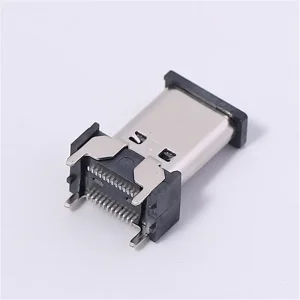
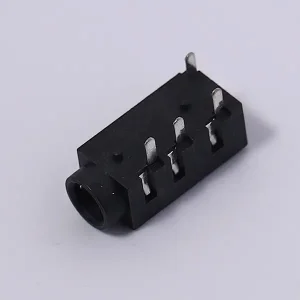
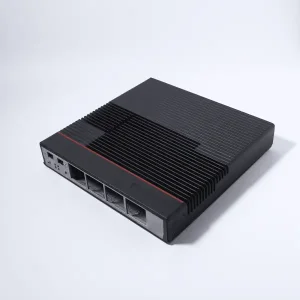
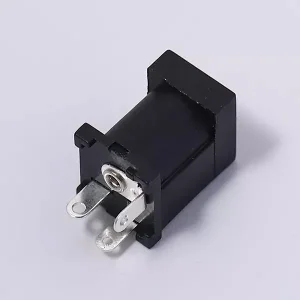
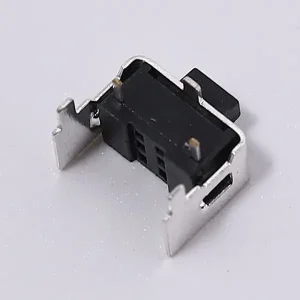
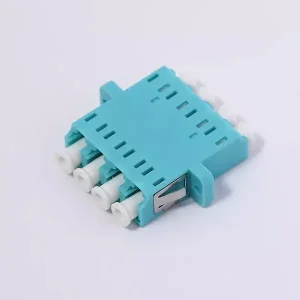
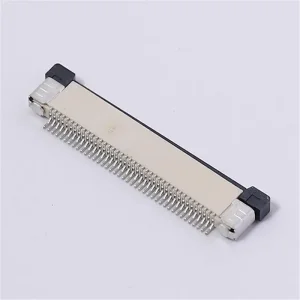
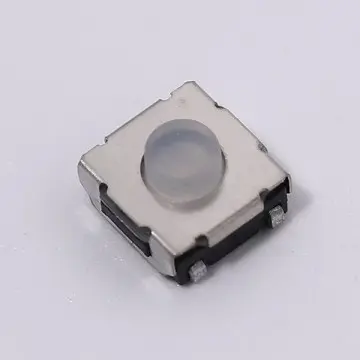
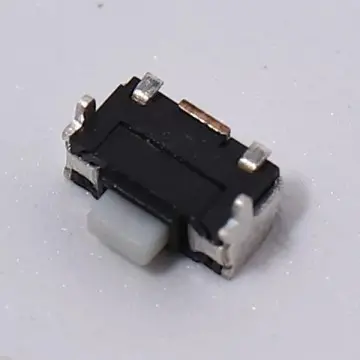
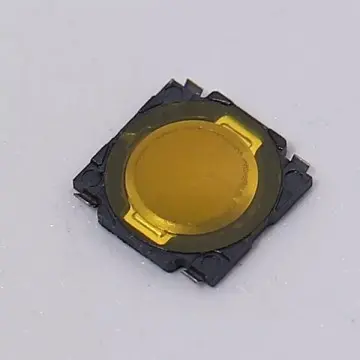
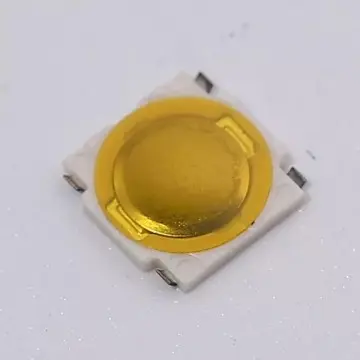
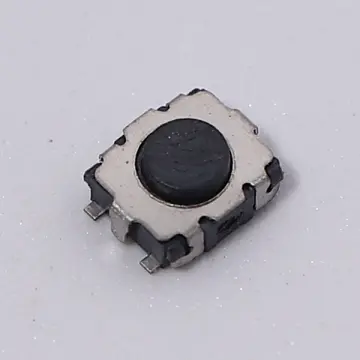
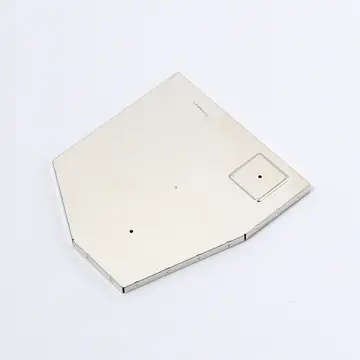
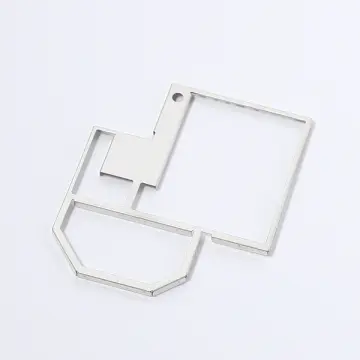
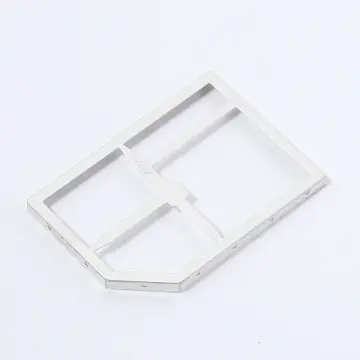
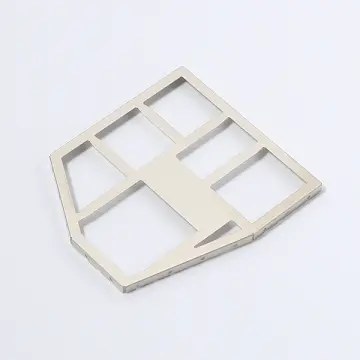
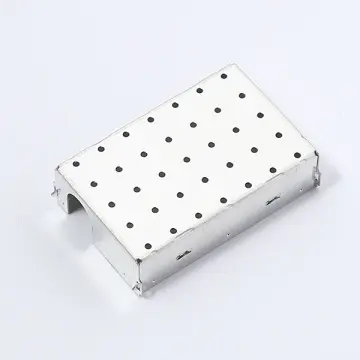
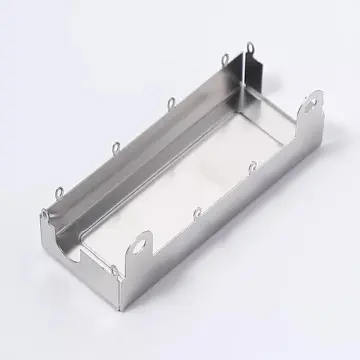
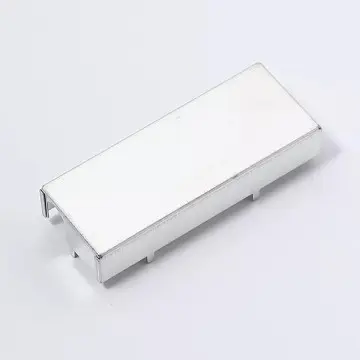
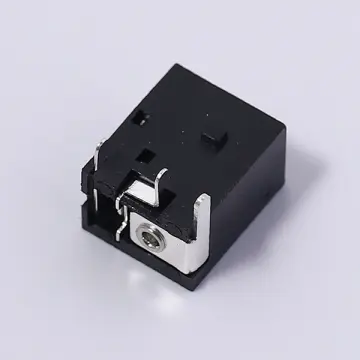
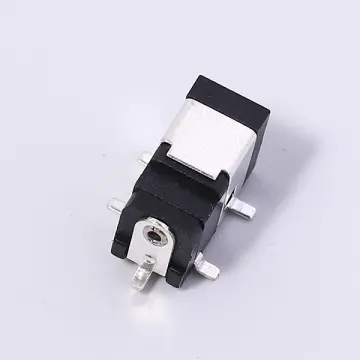
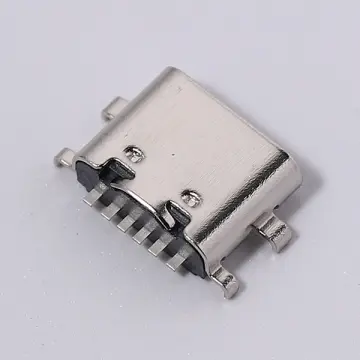
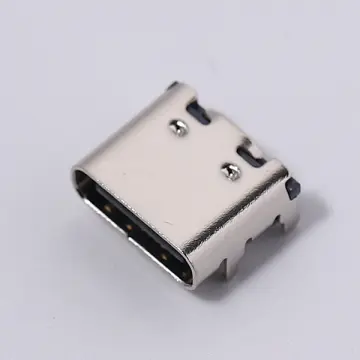
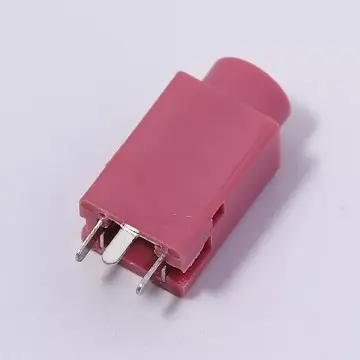
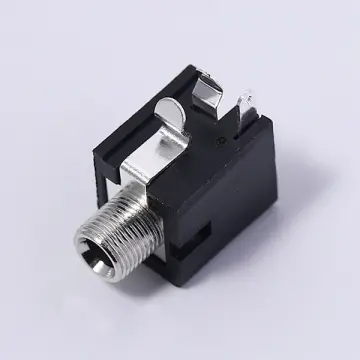
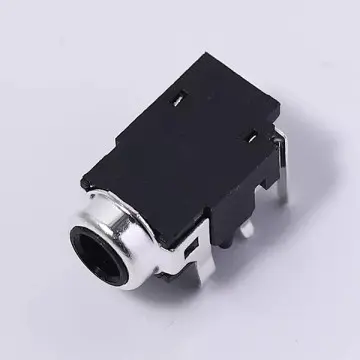
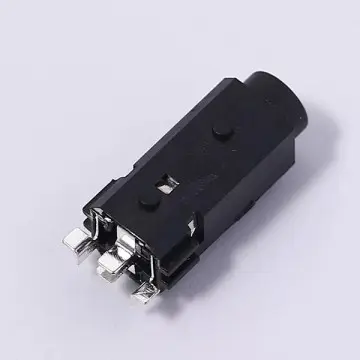
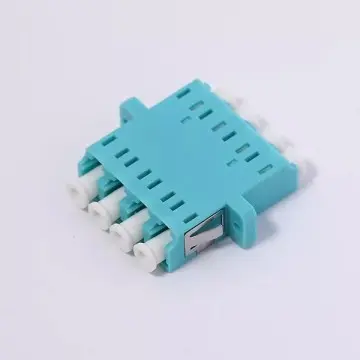
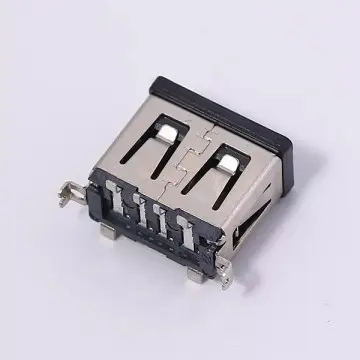
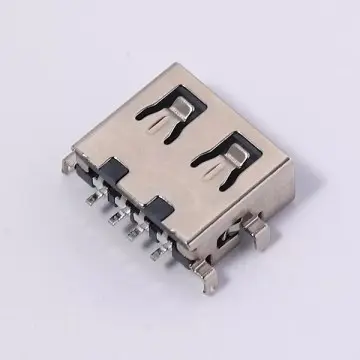
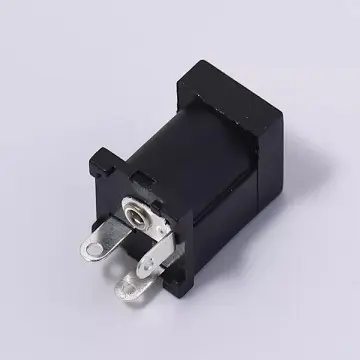
Explore our premium electrical switches, micro-connectors, and specialized cabling options optimized for dense system architectures and high reliability.
Established in 2005, Wenzhou Stpete Electronics Technology CO., LTD has grown into a leading high-tech enterprise specializing in the integration of R&D, precision manufacturing, testing, and distribution of state-of-the-art electronic connectors and wiring systems, specifically tailored to the dynamic needs of modern industrial computing, telecom infrastructures, and consumer electronics.
Over the course of two decades, we have solidified a stellar global reputation. We consistently provide high-performance solutions for leading names in high-technology ecosystems, including partnerships with tier-1 communication giants like Huawei and consumer appliance innovators like Hisense. Our specialized engineering teams focus on solving physical integration challenges where space limitations and signal integrity collide.

Unlocking extreme density, durability, and signal integrity inside modern electromechanical configurations.
Modern product layouts are bound by severe physical constraints. Devices are progressively thinner, lighter, and more computationally dense. In this context, standard round cables and traditional rigid-board interconnects are frequently replaced by Flexible Printed Circuit (FPC) ribbon cables. Unlike flat ribbon cables (FFC) which are manufactured using flat copper conductors laminated within insulating PET sheets, FPC represents a high-density, lithographically patternable circuitry using copper-clad polyimide substrates. This key distinction allows FPCs to contain complex trace routing, multi-layer routing paths, integrated passive components, and localized reinforcement structures directly on the cable body itself.
The core advantage of adopting FPC layouts in commercial electronics lies in their unique physical characteristics. Made of thin layers of copper trace laid over polyimide dielectrics, these cables provide excellent thermal stability, superior mechanical flexibility, and robust resistance to environmental stress. The flexibility enables three-dimensional dynamic configurations, such as active hinging mechanisms in high-end foldables or constant-motion tracking heads in high-capacity automated printers. Crucially, they drastically reduce overall chassis weight and wiring volume compared to conventional wire harnesses, representing up to an 85% reduction in wiring space requirements.
Photolithography processes allow trace pitches down to 0.3mm or narrower, facilitating massive bus widths inside compact mechanical constraints.
Configured with rolled-annealed (RA) copper, our FPC assemblies withstand millions of dynamic flexing cycles without microscopic trace fracture.
Lamination of conductive silver foils or electromagnetic wave absorber layers ensures protection from EMI/RFI issues in high-frequency zones.
How China's production capacity meets global industrial demand amidst evolving technological standards.
The global demand for high-tier flexible interconnects has experienced explosive growth over the last decade, primarily driven by automotive electrification, wearable medical devices, and high-frequency communication modules. In this international framework, Chinese factories stand out by providing not only massive output volume but also cutting-edge production technologies. Companies like Wenzhou Stpete Electronics Technology CO., LTD have transformed their facilities from simple assembly shops into advanced, highly automated research and manufacturing hubs that compete on the world stage.
This industrial transition is supported by a comprehensive local ecosystem in China. From high-quality raw materials (such as Dupont-level polyimide and flexible copper clad laminates) to complex surface treatment lines, China's supply chain is highly integrated. This enables local factories to transition from design to volume production in a fraction of the time required by Western competitors, keeping supply chains resilient. High-precision tooling, rapid prototyping, and extensive reliability testing have become standard practice, allowing us to cater to demanding markets like North America, the European Union, and East Asia.
| Parameter / Metric | Standard Specification | Advanced / Custom Capabilities |
|---|---|---|
| Substrate Material | Polyimide (PI) 12.5um / 25um | PET / Low-Loss High-Speed PI (Modified PI) |
| Copper Foil Type | ED (Electro-Deposited) Copper | RA (Rolled-Annealed) Copper for Dynamic Hinging |
| Minimum Trace Width / Space | 0.075 mm / 0.075 mm | Up to 0.035 mm / 0.035 mm (Ultra-fine pitch) |
| Impedance Control Tolerance | ± 10% | ± 5% for High-Speed differential lines |
| Surface Finish Options | Immersion Gold (ENIG), OSP | Selective Gold Plating, Immersion Tin, Hard Gold |
Our complete alignment with international manufacturing standards, verified certifications, and premium equipment.
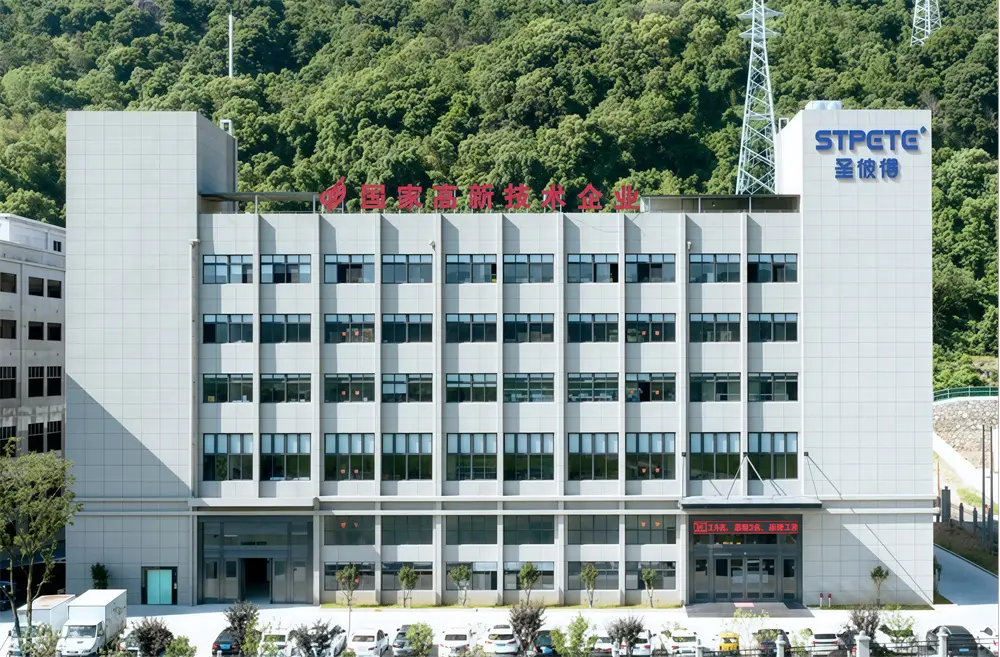
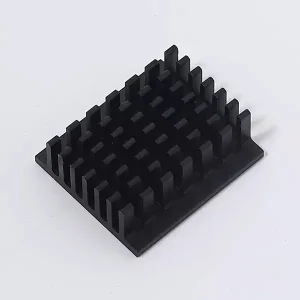
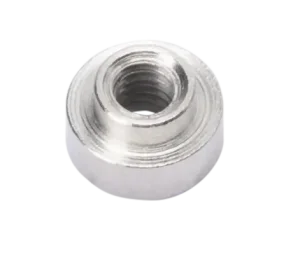
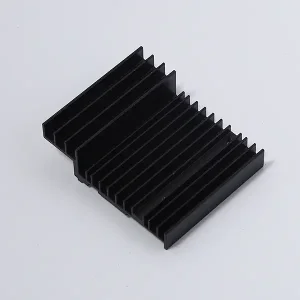
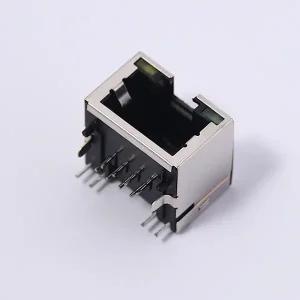
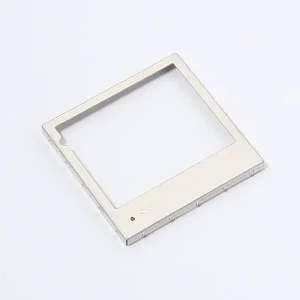
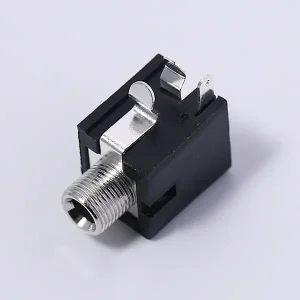
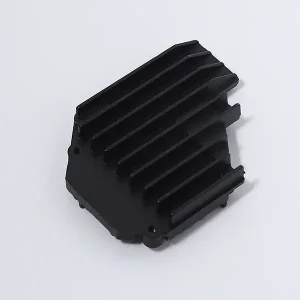
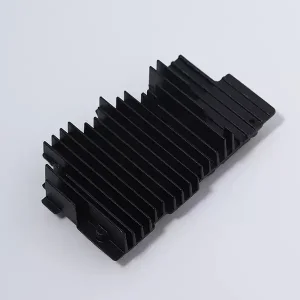
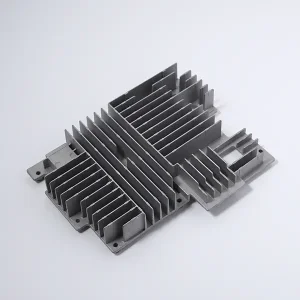
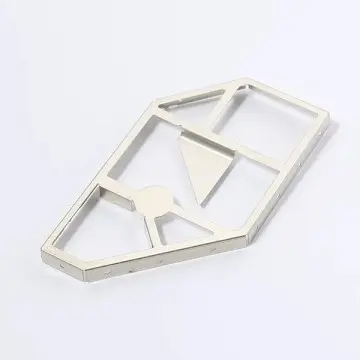
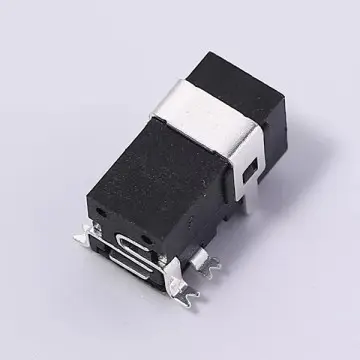
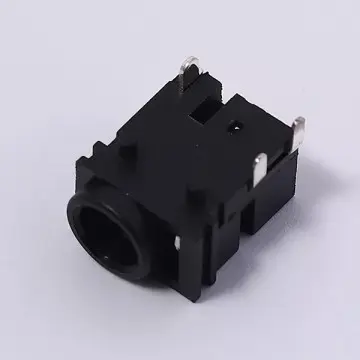
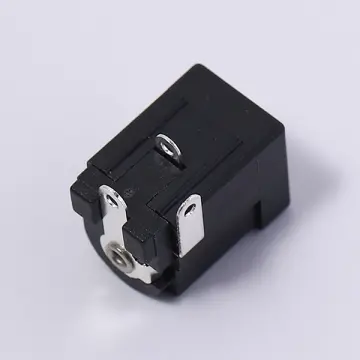
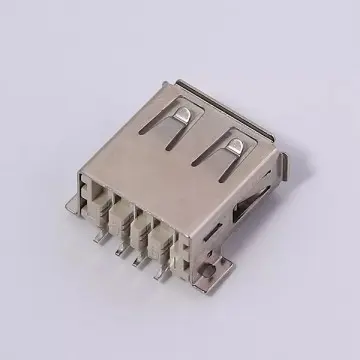
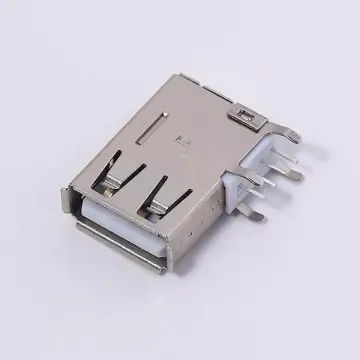
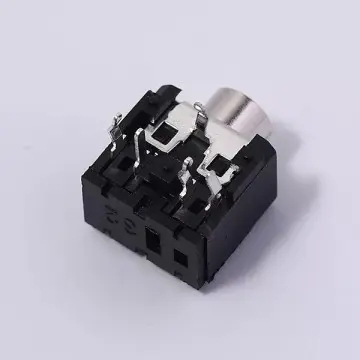
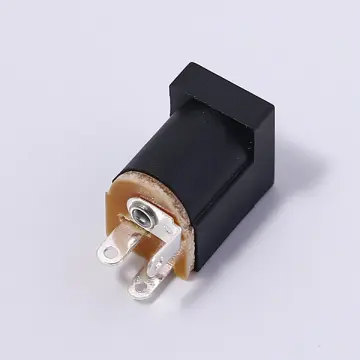
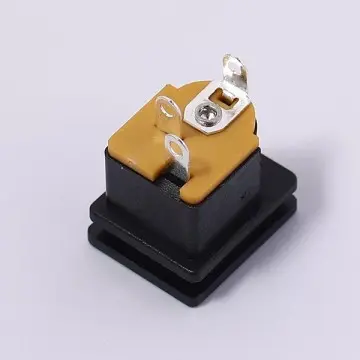
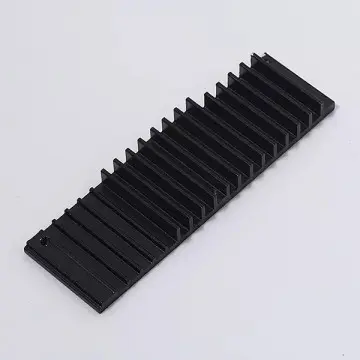
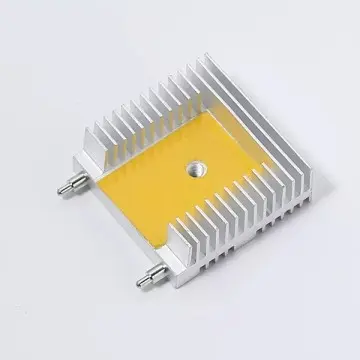
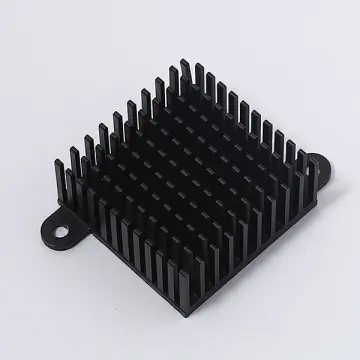
Quality at Stpete is not a secondary concern; it is the core foundation of our entire production process. We own and operate a full array of precision equipment to produce IF RADIO-FREQUENCY TERMINALS, FCB NETWORK JACKS, DC POWER OUTLETS, USB SOCKETS, AV PIN JACK BOARDS, RADIATORS, and custom FPC interface adapters. Our facilities utilize multi-stage automated optical inspection (AOI) units, coordinate measuring machines (CMM) for mechanical layout checks, and advanced electrical network analyzers to guarantee zero-defect shipments.
Our commitment is backed by internationally recognized certifications. We have implemented and maintain ISO 9001, ISO 14001, and ISO 45001 management systems. By enforcing meticulous quality gates at every step—from raw material testing to final electrical validation—we ensure that every batch of ribbon cables performs reliably in the field.
Additionally, our production plant operates specialized high-speed punching presses and high-accuracy CNC processing machinery to secure tolerances as narrow as ±0.02mm. This level of accuracy is essential when manufacturing high-density connectors and FPC terminations that must interface perfectly with microscopic board-to-board connectors without mechanical interference.

How technical R&D investments and cohesive team dynamics foster industry innovation.
A reliable supplier is defined not just by its machines, but by the strength of its team. We believe that continuous R&D is the primary driver of modern industrial progress. Stpete maintains an annual R&D budget exceeding 15 million RMB, allowing us to support a team of over 30 dedicated technical R&D engineers. This team has successfully secured more than 21 design and utility patents, ensuring that our products represent the state of the art in flexible circuit technology.
To foster collaboration and keep morale high, our organization frequently arranges off-site training and team-building events. For example, during our summer team-building activities set in picturesque natural backdrops, our staff participated in trust-building, communication, and problem-solving exercises. These events help us reduce stress, break down departmental silos, and build a unified focus on customer-centric design and quality assurance.
Our team of 30+ R&D experts actively researches next-generation high-frequency flexible substrates to support 5G/6G communication needs.
Every processing phase is carefully monitored, from the initial selection of base raw materials to final validation steps.

Integrating insert molding, automatic terminal insertion, and inline verification to scale production with minimal error margins.
Navigating international regulatory frameworks and establishing the next phase of FPC engineering.
Shipping precision electronic components globally requires strict adherence to international environmental and safety standards. Every FPC ribbon cable and connector assembly leaving our facility complies with RoHS, REACH, and CE directives. This ensures hassle-free import clearance and safe integration into end products across highly regulated markets, such as the European Union and North America. In addition, we coordinate with leading logistics networks to guarantee secure packaging and on-time delivery, offering FOB, CIF, or DDP shipping terms to suit our buyers' processes.
As we look to the future, we continue to push the boundaries of flexible electronics. Our technical roadmap highlights two key areas of development:
By staying at the forefront of materials science, Stpete helps its customers design thinner, more reliable products that perform in the most demanding conditions.
Common questions answered by our lead technical engineers to help guide your system layouts.
Browse our verified switches, high-grade adapters, and copper-base interfaces certified for industrial and telecom applications.
 Stpete Electronics