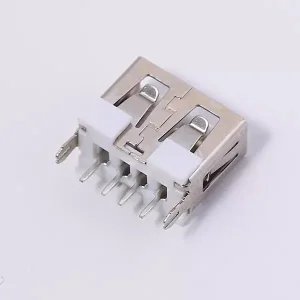
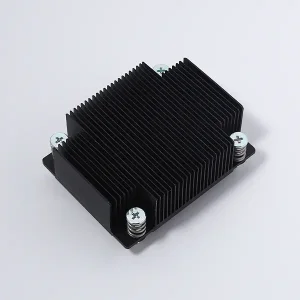
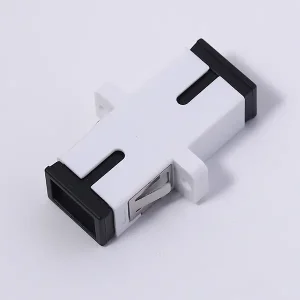
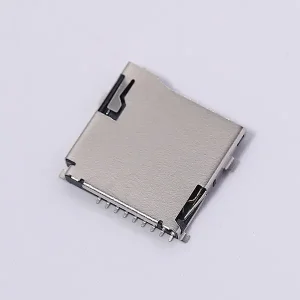
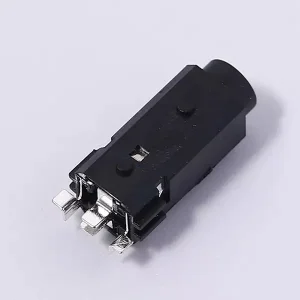
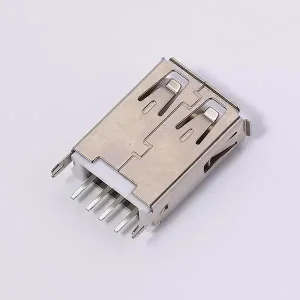
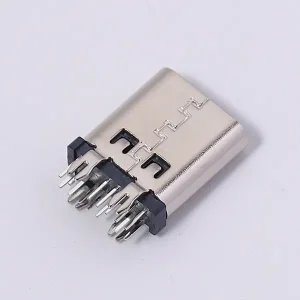
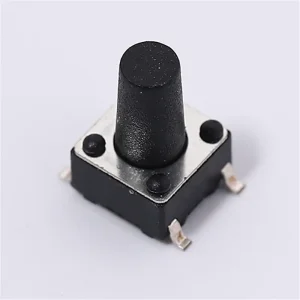
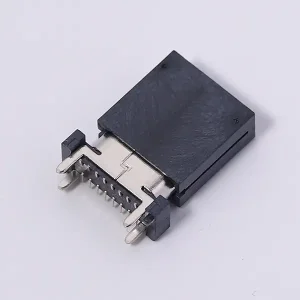
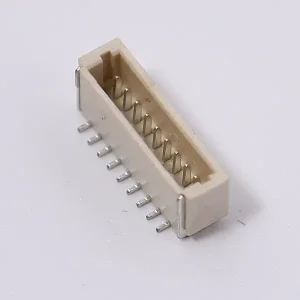
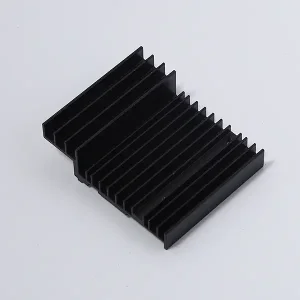
Precision engineered terminals, connectors, and switches featuring advanced matte tin finishes for optimized solderability and whisker mitigation.
In the high-reliability world of electronic connectors, surface finish chemistry is everything. Matte tin electroplating represents the gold standard for lead-free solderable termination finishes, balancing cost, performance, and environmental compliance.
Unlike bright tin finishes, which contain organic co-deposits to produce a highly reflective aesthetic, matte tin features a larger grain structure (typically 1 to 5 microns). This coarse, non-reflective microcrystalline layout minimizes internal compressive stress. In the context of long-term component deployment, controlling this compressive stress is the primary physical defense mechanism against the spontaneous growth of tin whiskers—conductive crystalline structures capable of causing catastrophic short circuits in micro-electronics.
As a leading-edge electronics manufacturer, Wenzhou Stpete Electronics Technology Co., Ltd. applies optimized matte tin finishes to ensure excellent solderability, consistent low contact resistance, and exceptional shelf life. Our plating lines are precisely calibrated to govern bath parameters, current density, and thermal reflow processes, creating a superior metallurgical bond with nickel underlayers and base copper alloys.

Analyzing market drivers, lead-free directives, and the metallurgical evolution across international supply chains.
The global shift toward environmentally friendly manufacturing, catalyzed by the European Union’s Restriction of Hazardous Substances (RoHS) and the registration, evaluation, authorization, and restriction of chemicals (REACH) directives, completely revolutionized the plating industry. Lead-free finishes became mandatory, and pure matte tin emerged as the industry’s most stable drop-in replacement for traditional tin-lead (SnPb) coatings on connection terminals.
Today's industrial landscape demands interfaces that can withstand harsh environments, from the thermal cycling in automotive engine control units (ECUs) to the ultra-high reliability requirements of telecommunication network switches and base stations. Matte tin coatings, combined with a crucial nickel diffusion barrier underplate, prevent the migration of copper into the tin layer. This mitigation of copper-tin intermetallic compound (IMC) formation is critical. IMC layers, such as Cu6Sn5 and Cu3Sn, are naturally brittle and possess higher electrical resistance, which can degrade solder joints under mechanical shock or vibration.
Furthermore, the physical characteristics of matte tin make it compatible with modern lead-free reflow profile temperatures, which peak at 260°C. Bright tin, when subjected to these temperatures, suffers from discoloration and degraded solderability due to the outgassing of co-deposited organic brighteners. Matte tin avoids this entirely, preserving its wetting behavior and physical integrity through multiple reflow cycles.
How our advanced chemical processes ensure the longevity and structural stability of matte tin interfaces.
Tailoring advanced connector plating for diverse global markets and localized performance standards.
At Wenzhou Stpete Electronics Technology Co., Ltd., our engineering capability spans multiple sectors, adapting matte tin technology to localized application demands:
Through our localized supply chain logistics and compliant engineering consulting, we provide customers across North America, Europe, and Asia-Pacific with direct access to testing records, cross-sectional SEM imaging, and EDX analysis report files. This ensures your incoming inspection processes are streamlined, matching standard localized quality guidelines (such as Mil-Spec, ASTM, and IPC).
Wenzhou Stpete Electronics Technology Co., Ltd. — Your trusted high-tech electronic connector partner since 2005.

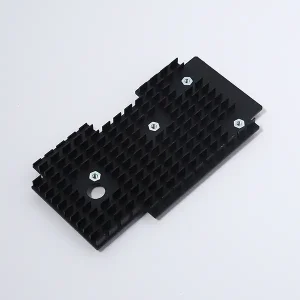
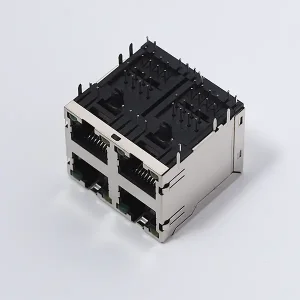
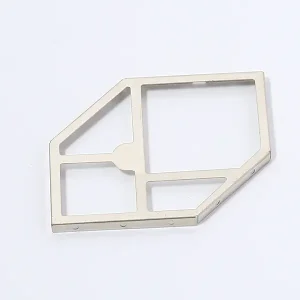
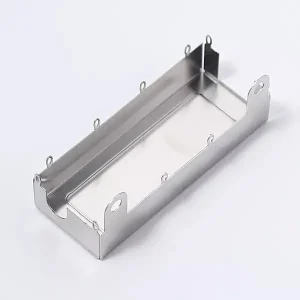
We operate a state-of-the-art facility equipped with precision tooling for manufacturing IF RADIO-FREQUENCY TERMINALS, FCB NETWORK JACKS, DC POWER OUTLETS, USB SOCKETS, AV PIN JACK BOARDS, and radiators. To ensure the high dimensional accuracy and geometric reliability of our metal housings and terminal configurations, we deploy high-speed punching presses and computer numerical control (CNC) machines.
Our quality control workflow includes high-accuracy optical and metallurgical inspection equipment to verify incoming raw materials, intermediate processes, and finished goods. Through multiple strict QC checkgates integrated into each assembly step, we prevent factory seconds from reaching shipping logs. We hold certified registrations for ISO 9001:2015, ISO 14001, and OHSAS 18001, and hold numerous utility and design patents.
Supported by a dedicated R&D team of over 20 engineers, we routinely cooperate on customized interconnect architectures with elite global brands, including Huawei and Hisense.
Technological innovation is the driving force of our production capabilities.

Our commitment to excellence extends beyond manufacturing engineering and chemical design. We actively build a strong internal team dynamic to drive corporate innovation.
During our team-building events, employees participate in outdoor team-building activities designed to strengthen cohesion and foster teamwork. These challenges provide a natural setting for enhancing team spirit, trust, and communication, encouraging our people to step out of their comfort zones and solve problems together.
By promoting unity, these events reduce workplace stress, boost morale, and renew energy across our R&D, quality control, and production teams. This focus on employee well-being enables us to maintain a stable, highly skilled workforce dedicated to quality manufacturing.

Pioneering the next generation of micro-interconnect plating coatings.
As microelectronics demand smaller configurations, the spacing between contact pins has shrunk down to sub-half-millimeter thresholds. This density raises the risk of tin whisker shorts, requiring further innovations in matte tin technology. Our plating labs are currently pursuing three core initiatives:
Co-depositing trace bismuth (Bi) or silver (Ag) to refine grain structures and reduce chemical diffusion rates, effectively preventing whisker formation.
Replacing direct current with pulse plating to control grain boundaries and achieve a highly uniform, low-stress matte deposit.
Integrating X-ray Fluorescence (XRF) and automated optical checking (AOI) to measure thickness profiles across complex 3D terminal contacts.
Direct metallurgical answers from our team of chemical engineers.
Browse our high-reliability switches, jacks, and connectors optimized with matte tin interfaces.
 Stpete Electronics