Explore our certified selection of rugged tact micro-switches, high-durability RF terminals, network sockets, and high-precision structural interfaces built for seamless integration.
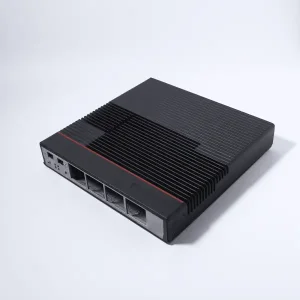
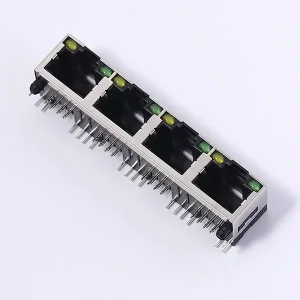
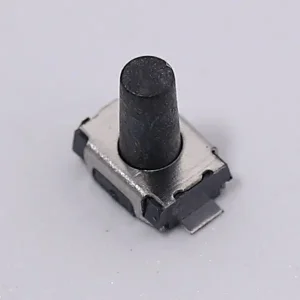
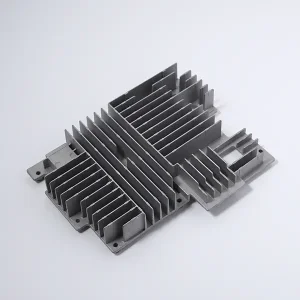
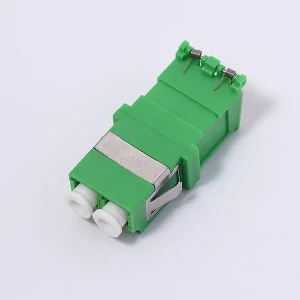
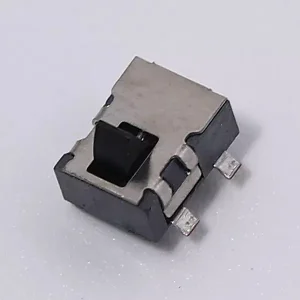
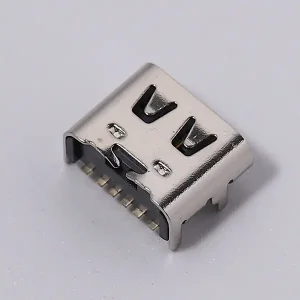
The global electronics landscape is experiencing a massive paradigm shift. Push-button tactile switches—once relegated to simple on/off interfaces—have emerged as crucial physical nodes within advanced digital ecosystems. Whether integrated into human-machine interfaces (HMIs), mission-critical automotive panels, IoT sensor modules, or precision medical devices, these tiny structural components dictate operational reliability, product perception, and overall user safety.
As hardware systems decrease in size and scale up in complexity, the engineering tolerance for micro-switches narrows. A failure rates of just 0.01% in tactile components can lead to costly diagnostic recalls in industrial machinery or safety hazards in surgical suites. Global hardware procurement teams must align with factories that treat electromechanical design as an absolute science, factoring in contact resistance stability, material degradation, and precision haptic feedback engineering.
Engineered actuation force curves from 100gf to 350gf, ensuring crisp tactile clicks and reliable performance in automotive control interfaces.
Sealed, IP67-rated switch models designed to survive chemical exposure, dust intrusion, washdowns, and temperature spikes from -40°C to +85°C.
Premium silver-plated copper alloy dome structures and gold contacts delivering up to 10 million cycles under extreme operational cycles.

Established in 2005, Wenzhou Stpete Electronics Technology CO., LTD. represents a high-tech Chinese manufacturing enterprise specialized in the research, design, production, and distribution of electronic connectors and tactile micro-switches. Over our 20-year history, we have cultivated an internationally recognized reputation for raw materials compliance, ultra-high tooling precision, and customized manufacturing services.
Operating from a state-of-the-art facility, we leverage deep regional logistics systems and automation engineering to service clients ranging from hardware startups to tier-1 enterprise electronics corporations. Our manufacturing ethos combines vertical supply chain control with rigorous quality control workflows, enabling zero-defect processing on high-volume production orders.

Our quality management systems are fully certified to ISO 9001, ISO 14001, and ISO 45001 standards. We don't just supply products; we validate every single specification through scientific data in our in-house testing labs. Our production line incorporates advanced coordinate measuring machines, automated high-accuracy optical sorting inspection, and high-frequency RF testers to isolate out-of-spec products before packaging.
Our facilities are equipped with heavy-duty punching machines, high-tonnage precision injection molding equipment, and custom CNC tools. Stpete maintains close technological relationships and joint research initiatives with elite telecom and electronics brands, including Huawei and Hisense, constantly improving our technological thresholds and keeping us at the absolute vanguard of global electromechanical connector innovation.
The regional manufacturing cluster of Wenzhou, China, offers a highly integrated component assembly network. Unlike factories in dispersed areas, Stpete Electronics is located right in the center of raw material suppliers, copper fabricators, precision plastic mold makers, and shipping ports. This localized concentration drastically cuts lead times and allows us to easily scale production to meet sudden surges in demand.
Through automated assembly, vertical molding integration, and high-speed stamping, we minimize human error and drive down cost-per-unit metrics. These efficiency gains are directly passed along to our customers, giving global hardware partners top-tier performance components at highly competitive wholesale rates.

To maintain our technological edge, we allocate significant resources annually into automation equipment and material research. Over 21 intellectual property patents protect our unique designs. From multi-cavity hot-runner tooling to high-volume insert molding, we are equipped to support long-term product lifecycles with extreme batch-to-batch consistency.
Our automated insertion systems carry out optical inspections on every single contact point. We test actuation forces, travel distance, and contact resistance directly on the line, ensuring that our tactile feedback feel is uniform across millions of components.
A great component relies on the collaborative efforts of a focused engineering and QA team. We invest heavily in professional training, advanced design programs (CAD/SolidWorks/ANSYS simulation), and team-building programs that keep our people motivated, aligned, and focused on maintaining high standards of quality.
Supported by 30+ hardware engineers and an annual R&D spend exceeding 15 million RMB, keeping us at the leading edge of component innovation.
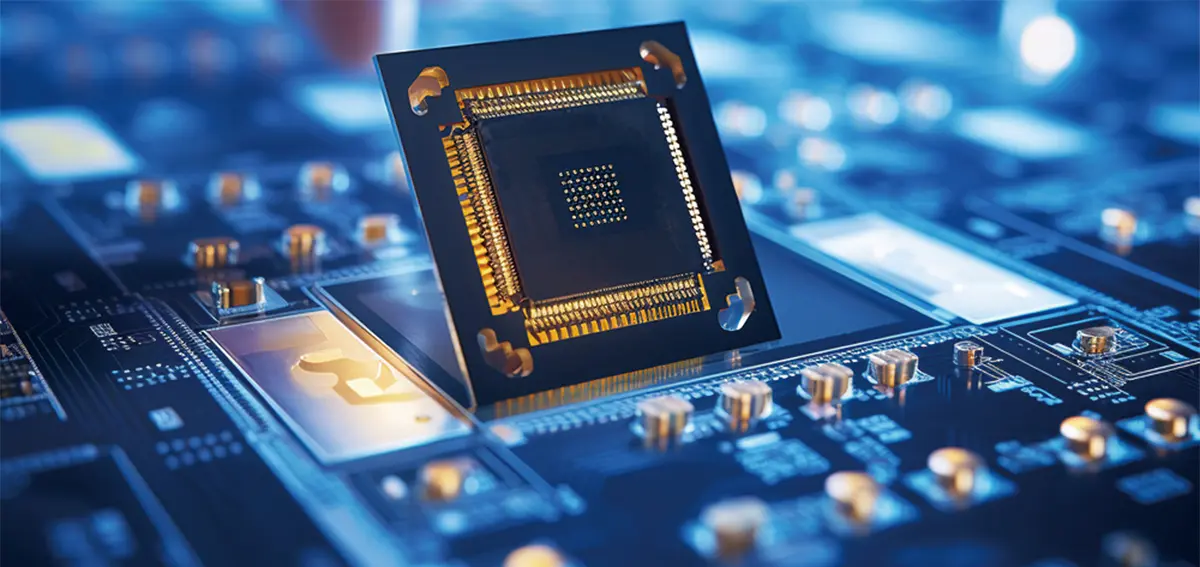
From RoHS-compliant high-temp polymers to resilient spring copper alloys, our material inspection processes ensure reliable performance across all applications.
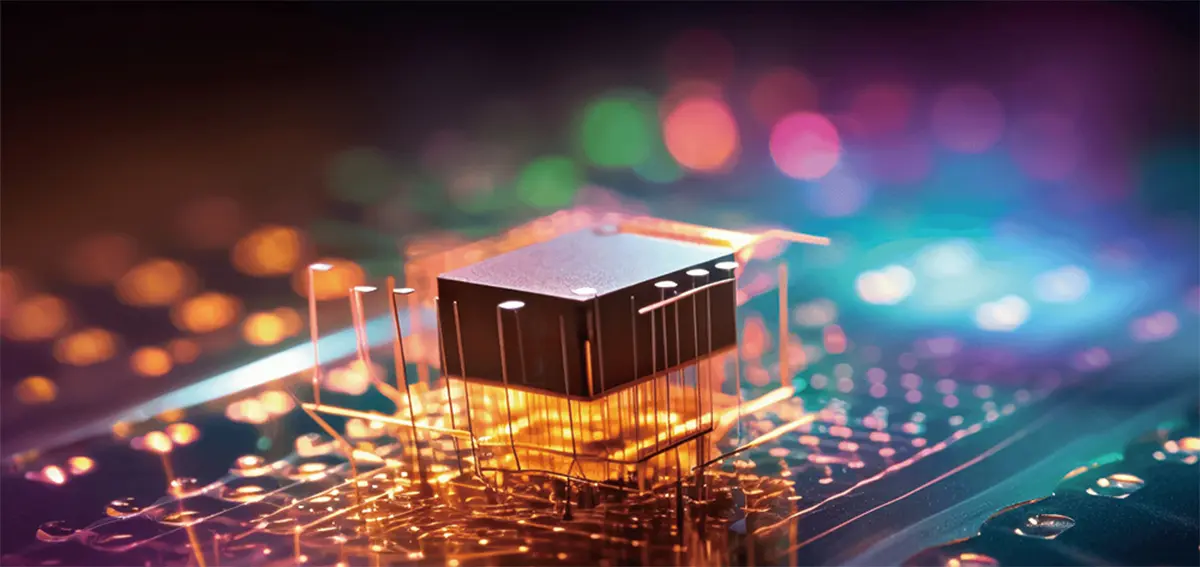
Multi-cavity high-speed progressive tooling handles rapid scaling while keeping critical physical and electrical tolerances extremely tight.

A tactile switch is not just an interface point—it is a critical part of the overall user experience. Different environments require specific mechanical profiles to ensure reliable operation.
Dashboard clusters, electronic mirrors, and central steering systems require quiet, tactile button actuation with low contact resistance and high heat tolerance to handle cabin temperature extremes.
Heavy-duty assembly operations demand dustproof, shock-absorbent switches. Our durable, sealed tactile buttons keep machinery operating reliably through vibration, oil exposure, and frequent use.
From HVAC controllers to high-end coffee machines, modern appliances require sleek, low-profile switches. Our small-footprint SMT tactile switches mount flat to the PCB, keeping control panels slim and elegant.
As electronic design pushes toward smaller form factors and higher environmental resistance, push button tactile switches are evolving along three clear technological tracks:
Sourcing electronic components globally is more than just choosing a part number. Modern hardware teams need a structured verification approach to avoid supply chain disruptions and ensure consistent quality:
We run Design Failure Mode and Effects Analysis on all custom designs to address mechanical weak points before opening tooling molds.
Our Production Part Approval Process provides full material certifications, dimensional layouts, and capability studies to guarantee design alignment.
Switches undergo temperature cycling tests from -40°C to +85°C to ensure zero mechanical deformation or contact cracking during wave soldering.
We work with local logistics partners to support safety stock programs, blanket orders, and JIT delivery, helping minimize warehousing costs.
Find detailed technical answers regarding electromechanical actuation, contact metallurgy, and PCB integration processes.
Contact bounce time refers to the brief oscillation window (typically under 5ms) when the internal metal dome hits the contact terminal before settling. Travel distance measures the actual physical stroke—usually between 0.15mm and 0.35mm—needed to compress the dome and close the circuit.
Silver plating offers excellent electrical conductivity and low contact resistance, making it perfect for standard consumer electronics. Gold plating is highly resistant to oxidation and corrosion, making it the choice for low-voltage, wet, or corrosive environments where long-term reliability is crucial.
If a tact switch isn't designed to handle lead-free reflow profile heat (peaking at 260°C), its plastic housing can warp, causing the actuator to stick or mechanical pre-travel to change. Stpete uses high-performance LCP (Liquid Crystal Polymer) materials to ensure complete mechanical stability during SMT processing.
Actuation force is the force needed to collapse the internal metal dome, initiating a "click" and closing the circuit. Measured in grams-force (gf), common ratings are 160gf, 250gf, and 320gf. It is adjusted by tailoring the dome's metallurgy, curvature, thickness, and diameter.
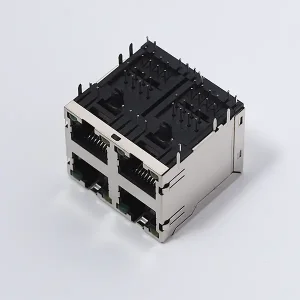
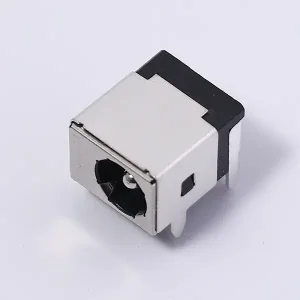
Explore our complete catalog of certified power connectors, RJ45 ports, and headphone jacks designed to meet high global design standards.
 Stpete Electronics