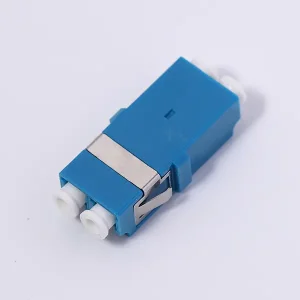
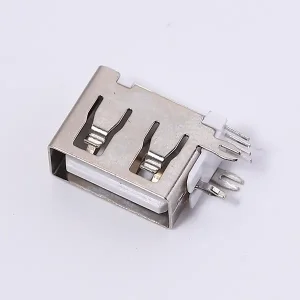
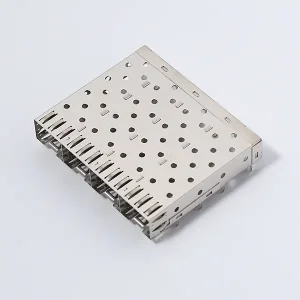
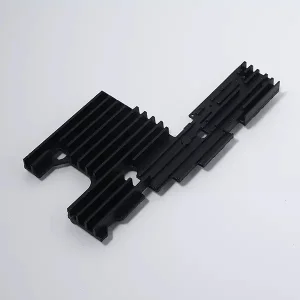
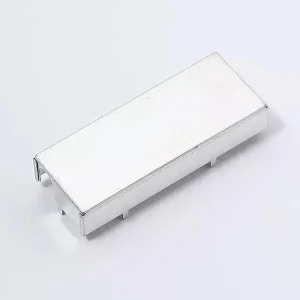
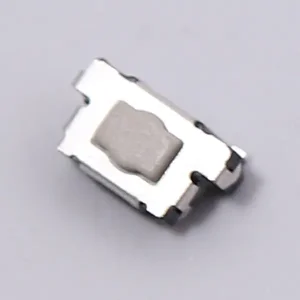
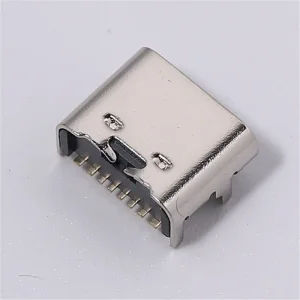
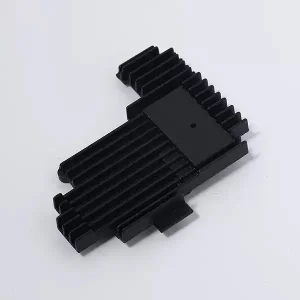
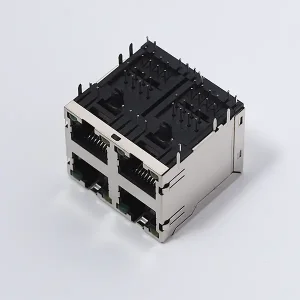
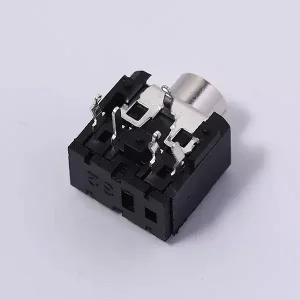
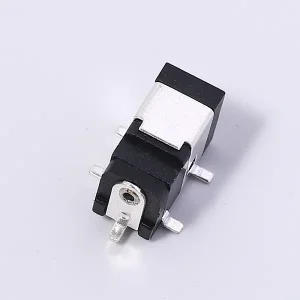
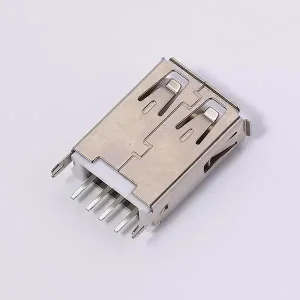
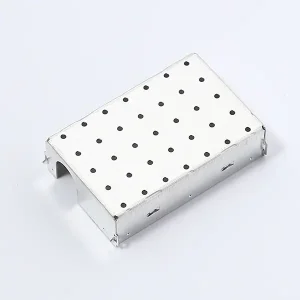
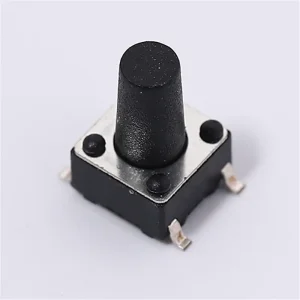
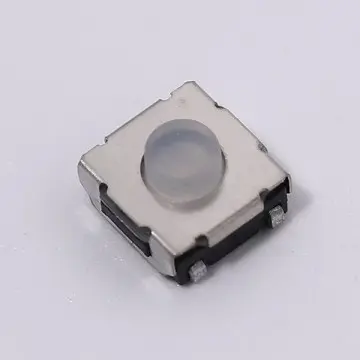
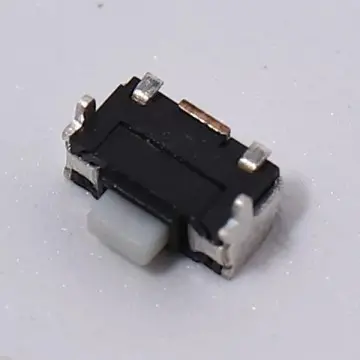
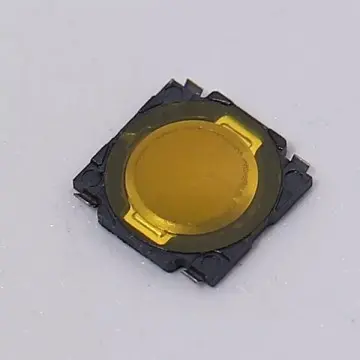
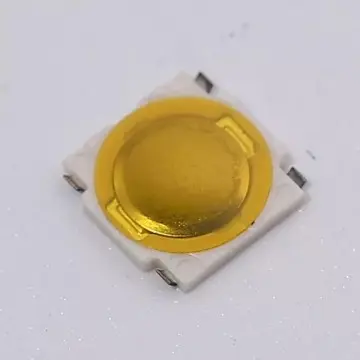
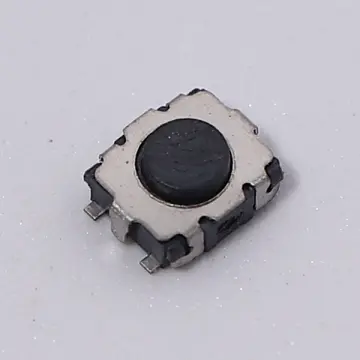
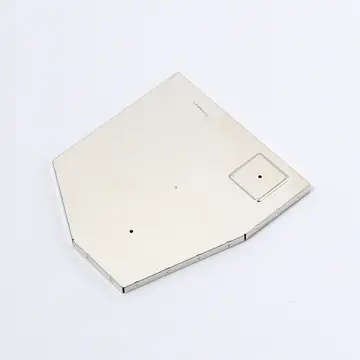
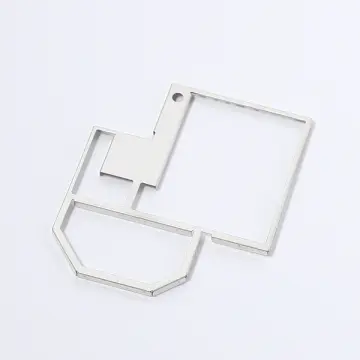
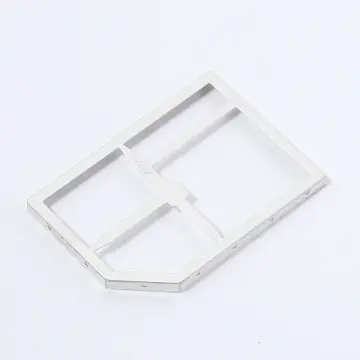
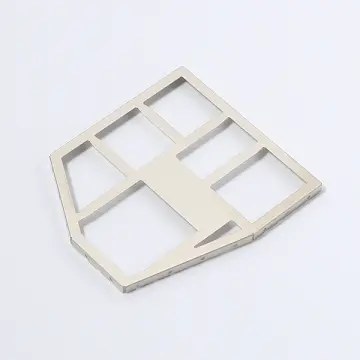
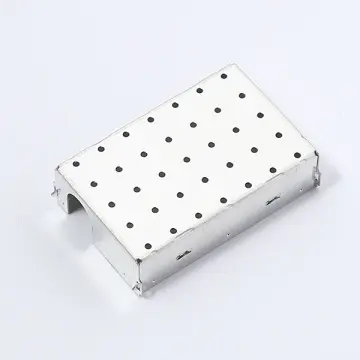
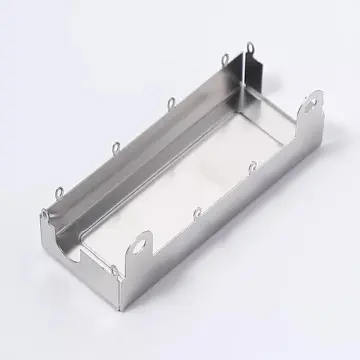
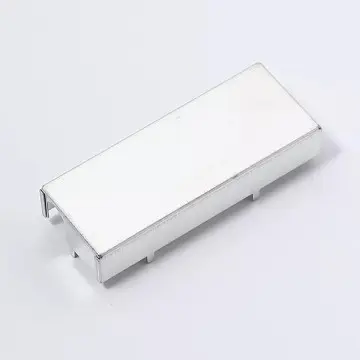
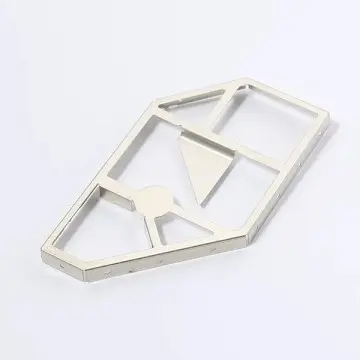
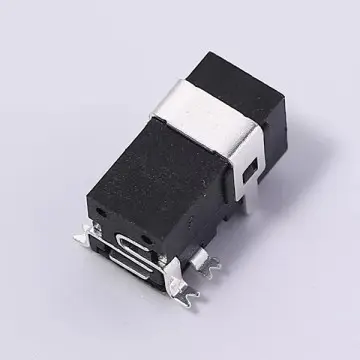
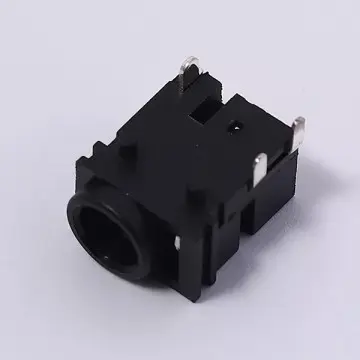
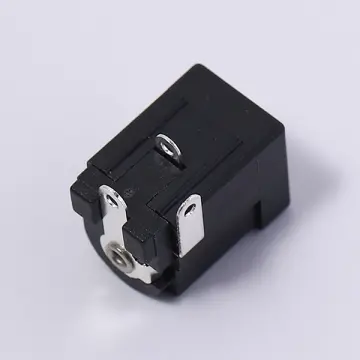
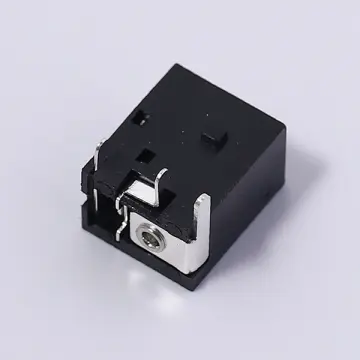
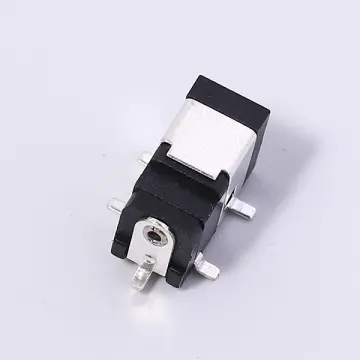
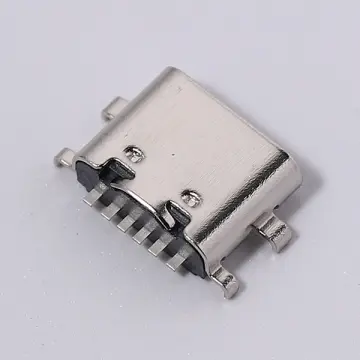
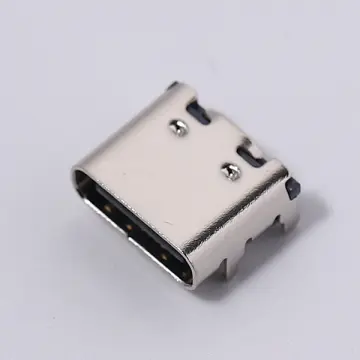
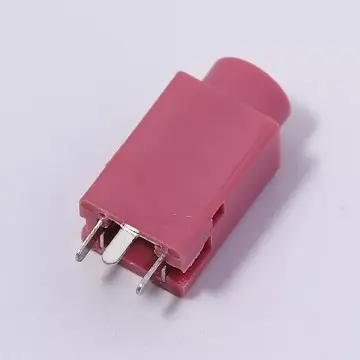
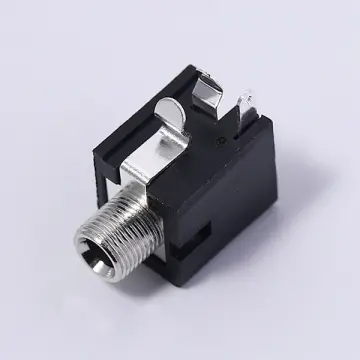
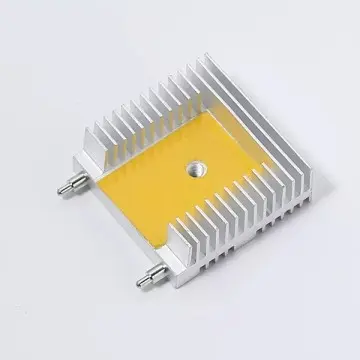
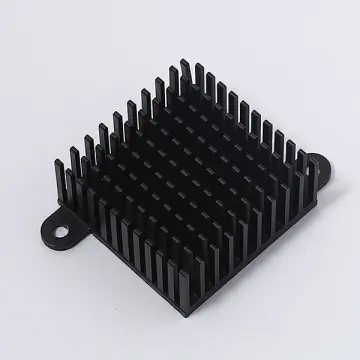
Explore our core certified component series engineered for mechanical stability and low contact resistance.
Established in 2005, Wenzhou Stpete Electronics Technology Co., Ltd. is a high-tech enterprise dedicated to the design, manufacturing, and global export of electronic connectors, high-precision tactile switches, and integrated connection assemblies. Over nearly two decades of precision manufacturing, we have forged a reputable standing as an industry-leading supplier and export specialist for tier-one brands including Huawei and Hisense.
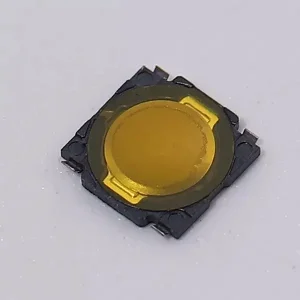
Our core mission revolves around engineering haptic interfaces—commonly referred to in international procurement markets as "lightly touch" switches (tactile switches/momentary micro switches)—that require rigorous tolerance controls, micro-actuation dynamics, and reliable mechanical longevity. We utilize micro-injection moulding, progressive metal stamping, and multi-stage automated assembly lines to ensure every switch satisfies critical tactile profiles.

Why technical directors and procurement managers focus on micro-level performance metrics.
The term "lightly touch" corresponds to the mechanical force feedback system inherent in momentary tactile switches. System designers measure switches based on Click Ratio (expressed as a percentage calculated from operating force minus contact force divided by operating force). Our switches are optimized to achieve click ratios of 30% to 50%, generating crisp, audible feedback without structural fatigue.
Modern applications require components to withstand harsh environments. Stpete designs and manufactures silicone-wrapped, IP67 and IP68-rated switches. These prevent the ingress of liquid, dust, and solder flux, avoiding high-resistance failures at the contact interface during PCB wave-soldering processes or field operations.
Actuation travel is meticulously calibrated (typically 0.25mm ±0.1mm) using high-grade stainless steel domes (SUS301). Our internal labs execute lifecycle testing up to 10 million cycles under loads, preventing dome flattening, spring back decay, and micro-cracking to ensure stable electrical conductance over the component's lifetime.
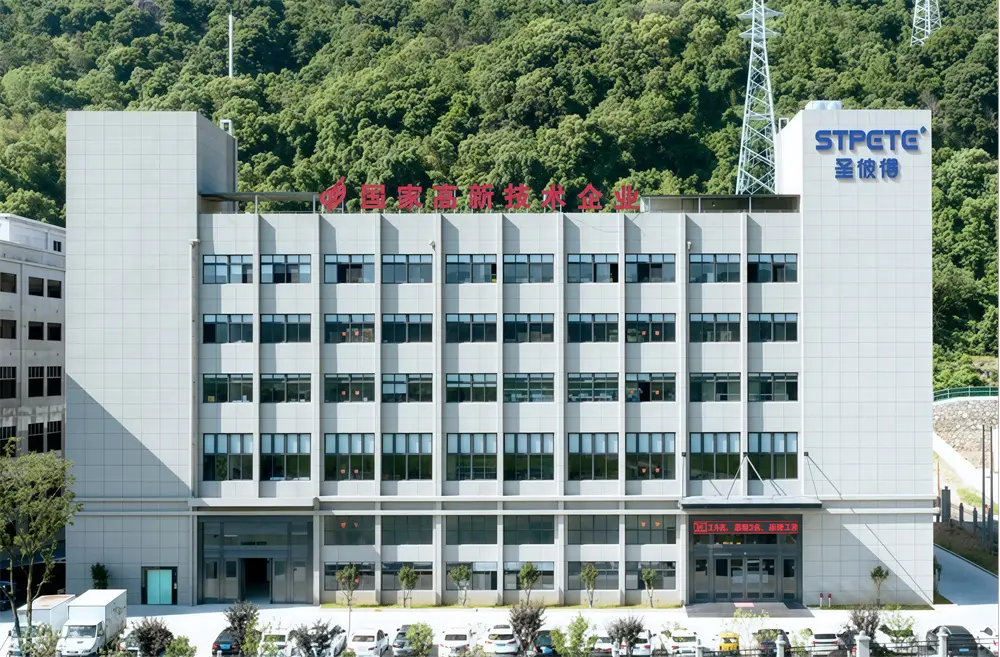
Operating out of Wenzhou, the epicenter of China's electromechanical component manufacturing, Wenzhou Stpete Electronics Technology Co., Ltd. integrates advanced supply chain capabilities. This proximity reduces logistical lead times and allows us to source raw materials, such as high-purity phosphor bronze, liquid crystal polymers (LCP), and silver-plated contact metals, at optimized costs.
Our facility utilizes high-speed automated progressive stamping presses and precision plastic insert molding machines. By automating 95% of our tactile switch production, we eliminate manual positioning errors. This provides global exporters and buyers with competitive pricing and high unit-to-unit consistency across production runs of millions of units.
How our tactile components operate reliably in various industrial sectors.
In modern vehicles, center console buttons and steering wheel controls rely on precise haptic feedback. Stpete provides custom switches designed to meet automotive temperature specifications (-40°C to +85°C) and vibration resistance standards. These parameters are crucial to prevent false triggers caused by vehicle vibration.
Medical equipment requires tactile buttons that operate reliably through protective gloves. Our switches feature dome matrices designed to provide distinct feedback under varying finger pressures. They are built to withstand exposure to medical disinfectants without chemical degradation.
Smart home appliances and consumer electronics require thin-profile mechanical controls. We offer ultra-thin switches (down to 0.35mm thickness) optimized for surface-mount technology (SMT) reflow soldering. This helps device designers minimize internal chassis volume.
At Stpete, quality control begins with raw material inspection and continues through to finished-goods dispatch. We maintain compliance with ISO 9001:2015 for quality management, ISO 14001 for environmental management, and ISO 45001 for health and safety standards.
Our quality control labs are equipped with X-ray fluorescence analyzers for RoHS compliance verification, contact resistance meters, insulation resistance testers, and mechanical life cycles testers. We design our tactile switches to prevent flux intrusion, which can lead to high resistance. This ensures reliable electrical contacts, even when exposed to high-temperature reflow soldering processes.
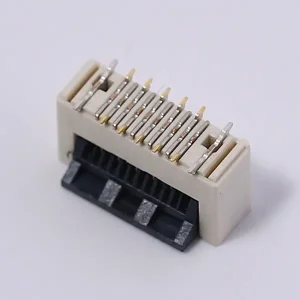
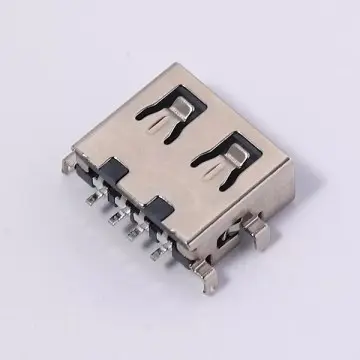
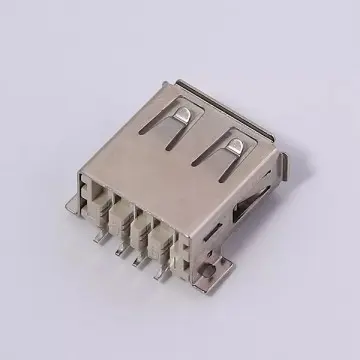
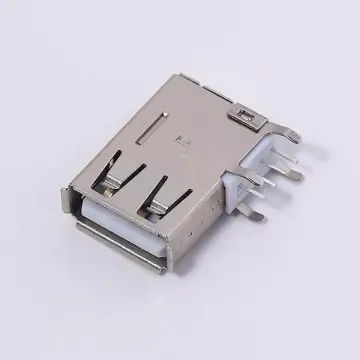
Furthermore, our R&D team, comprised of over 30 technical personnel with an annual investment of over 15 million RMB, holds 21 patents. This enables us to configure connector arrays, radio-frequency terminals, USB sockets, and RJ45 structures to meet customized project parameters.

A breakdown of our manufacturing facilities and engineering capabilities.
Supported by 30+ R&D engineers, an annual R&D budget of 15M+ RMB, and 21 patents. We focus on low-bounce tactile responses and space-efficient SMT profiles.
From incoming material inspection to out-of-box quality checks, we monitor process parameters using optical dimensional scanners, force testers, and environmental chambers.
Equipped with progressive stamping dies and automated assembly lines. Our production processes are designed to maintain component co-planarity tolerances within 0.1mm.
Key technical indicators driving development in the electronic component industry.
As wearable consumer devices shrink, the space allocated for PCB interfaces decreases. Component development focuses on decreasing tactile switch dimensions down to 2.0mm x 3.0mm, with heights under 0.6mm, without reducing tactile feedback or electrical cycle life.
Environmental regulations require lead-free SAC305/SAC405 solder alloys. These necessitate reflow profiles with peak temperatures of 260°C. We construct our switch bodies using liquid crystal polymers (LCP) to prevent housing deformation during high-temperature thermal cycling.
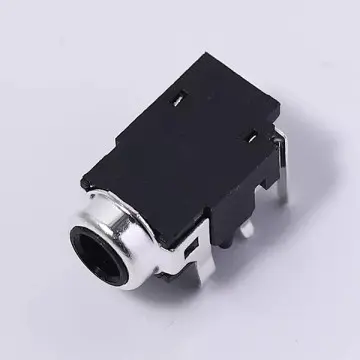
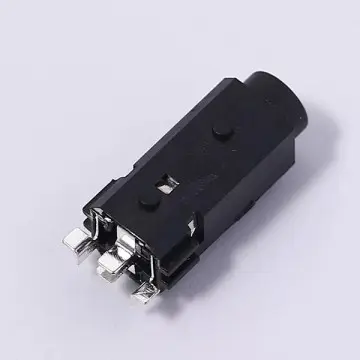
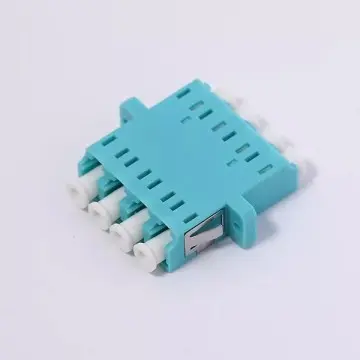
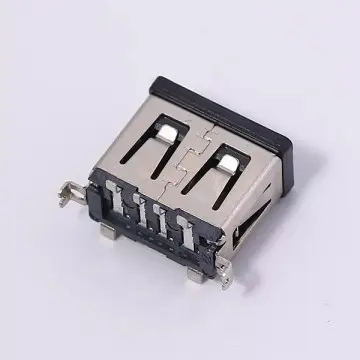
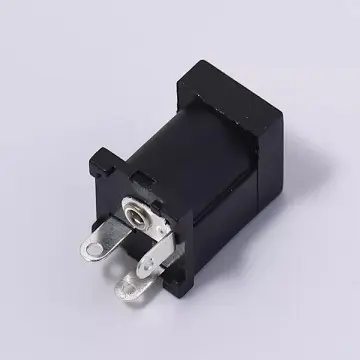
Rather than sourcing individual switches, global buyers increasingly request integrated assemblies. These combine tactile switches, SFP fiber-optic cages, USB sockets, RJ45 ports, and headphone jacks onto a single carrier board, streamlining manufacturing and testing.
Answers to common design and engineering questions regarding tactile switches and connectors.
At Wenzhou Stpete Electronics Technology Co., Ltd., we believe that engineering excellence requires cross-functional collaboration. We organize regular team-building activities in local natural settings to foster communication and problem-solving skills among our engineering, QA, and sales departments.
This collaborative culture helps our teams connect, reduce work-related stress, and maintain alignment when managing complex global OEM/ODM projects that require rapid engineering turnarounds.
Select from our certified series of micro switches and power connections.
 Stpete Electronics