20+
Years Industry Experience
500+
Project Completions
200+
Professional Employees
21+
R&D Patent Portfolios
Established in 2005, Wenzhou Stpete Electronics Technology Co., Ltd. is an ISO 9001, ISO 14001, and ISO 45001 certified high-tech enterprise dedicated to the precision engineering, development, production, and global export of high-end electronic connectors, micro-switches, and thermal management systems.
Over the past two decades, we have solidified a stellar reputation among domestic and international industrial buyers. Our production lines feature high-accuracy punching machinery, CNC tooling machinery, and fully automated insert molding stations. These structural assets allow us to serve top-tier global brands, including technology leaders like Huawei and Hisense, maintaining a zero-defect paradigm across our supply pipelines.

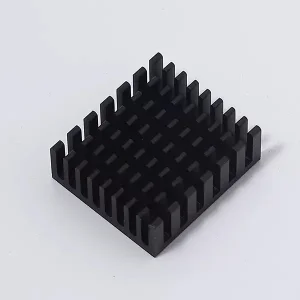
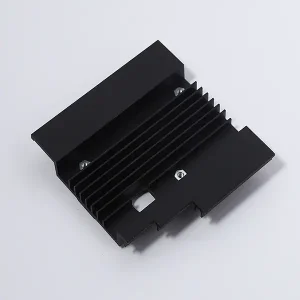
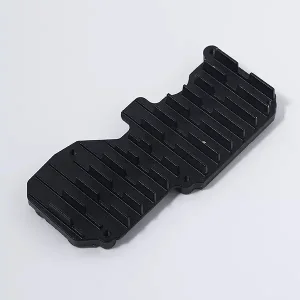
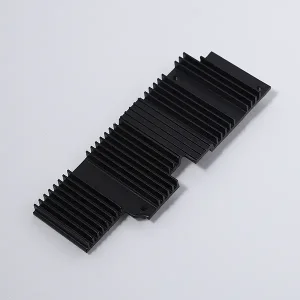
Modern microelectronics operate within constrained enclosures where spatial volume is at an absolute premium. The advent of 5G, compact computing, high-frequency RF systems, and localized AI computing has elevated high-heat-flux densities to levels that challenge classic convection design. Ultra-thin heat sinks represent a critical design response, offering high mechanical strength combined with optimized thermal distribution paths in z-height profiles below 1.5mm.
Passive cooling systems of this scale must function not only as thermal heat spreaders but also as integral components of the device casing or shielding. Managing structural parameters such as fin efficiency, thickness-to-area ratios, and contact resistance requires a comprehensive understanding of metallurgy, micro-extrusion, and interface material dynamics. Our research at Stpete Electronics shows that choosing a customized, precision-fabricated heat sink can reduce device operating temperatures by up to 15°C, ensuring component longevity and reliable system performance.
Utilizing high-purity oxygen-free copper (C1020) and tailored structural aluminum (AL6063/AL6061) alloys to achieve thermal conductivities exceeding 390 W/m·K and 200 W/m·K respectively, ensuring fast lateral heat spreading.
Our micro-extrusion systems support fin-to-gap aspect ratios up to 1:25 with minimum fin thicknesses of 0.2mm, maximizing active heat-exchange surfaces in ultra-confined spaces.
Advanced hard anodizing, black oxide deposition, and nickel plating processes improve surface emissivity and ensure excellent corrosion resistance in humid, salty, or corrosive industrial environments.
Production localization in Wenzhou, Zhejiang Province offers distinct supply chain advantages. The clustering of raw material suppliers, secondary processing plants (such as wire EDM, high-speed stamping, precision chemical etching), and testing labs enables rapid hardware iterations. OEM projects that typically take weeks elsewhere can be prototyped, thermal-simulated, and finalized in a fraction of the time.
At Wenzhou Stpete Electronics, we leverage this industrial ecosystem alongside our automated manufacturing infrastructure. Our facilities are equipped with automated insert molding machines, high-level stamping presses, and multi-axis CNC centers. This vertical integration allows us to produce high-precision heat sinks and associated micro-connectors, providing a unified hardware supply point for international clients. Over 20 dedicated R&D personnel manage custom requirements from initial thermal modeling (using FEA and CFD tools) to final production runs, ensuring compliance with global specifications.
Our quality control processes ensure that raw material entry, forming, anodizing, and final packaging are meticulously verified. Operating under ISO 9001 and ISO 14001 guidelines, we implement automated optical inspection (AOI), Coordinate Measuring Machines (CMM), and helium leak detection for dynamic vapor chambers. This systematic approach ensures high mechanical and thermal reliability across all production runs.
Thermal management is no longer an isolated mechanical consideration; it is key to system performance, stability, and safety. Industrial designs must balance heat dissipation requirements against structural constraints, weight limits, and assembly workflows. Below are the primary application sectors where our OEM ultra-thin heat sinks are deployed:
For high-frequency RF terminals, SFP modules, and FCB network jacks. Our custom heat sinks prevent thermal throttling in active switching chips, maintaining signal integrity and transmission stability under continuous loads.
Smartphones, high-performance tablets, smart displays, and wearable systems require thin profiles. We design and deliver custom 0.5mm copper heat spreaders and vapor chambers that integrate directly into the chassis.
ADAS control units, camera modules, and in-vehicle infotainment systems require highly reliable thermal paths. Our heat sinks are engineered to withstand wide temperature swings and vibration profiles.
Selecting the optimal combination of materials and manufacturing processes is critical to achieving thermal targets while staying within budget. Copper provides excellent thermal conductivity but adds weight; aluminum is lightweight and cost-effective but has lower thermal performance. We offer tailored hybrid configurations, combining the high lateral conduction of a copper plate with the lightweight convection properties of aluminum fins.
Our processing methods include:
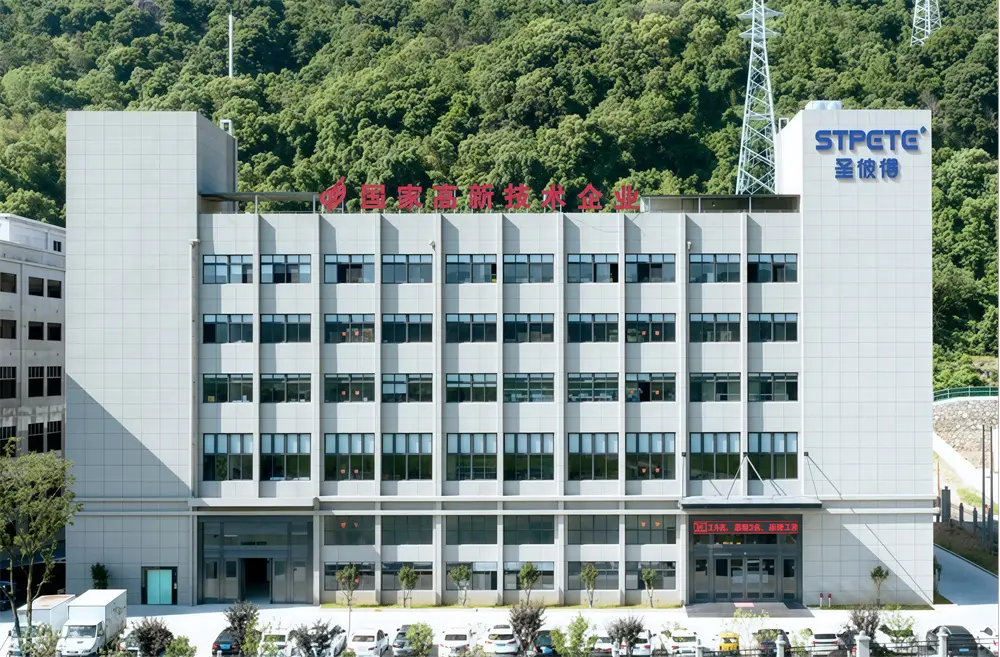
Our facilities feature premium Coordinate Measuring Machines (CMM), spectrum analyzers, and dynamic thermal testing systems to verify components under simulated operating conditions.

High-speed mechanical presses and automated tooling arrays ensure consistent manufacturing tolerances and high efficiency for volume production.
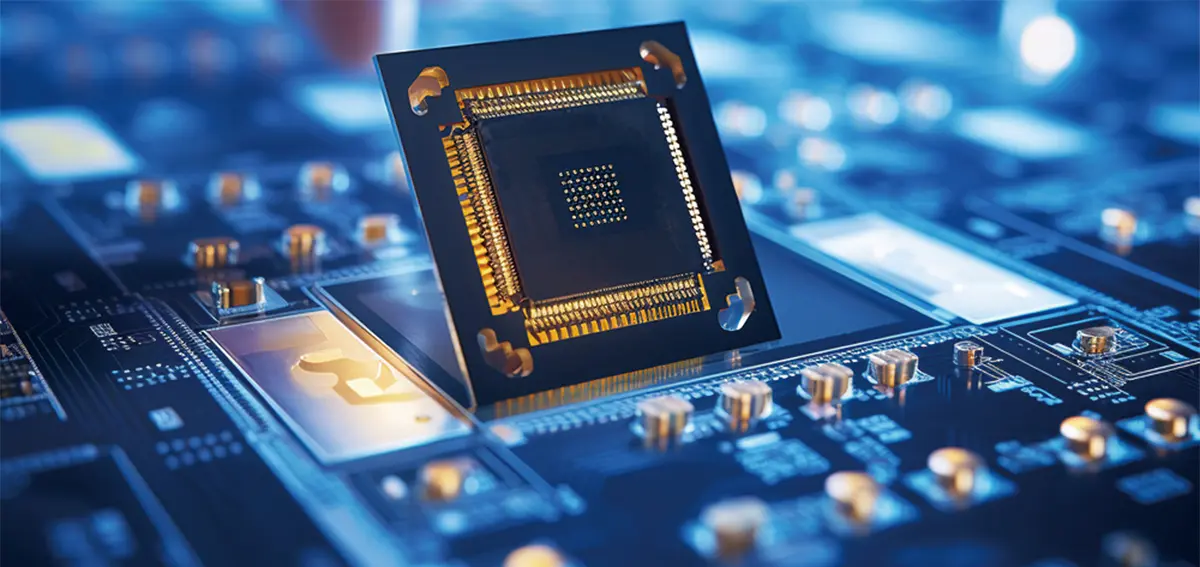
Our engineering team collaborates with partners worldwide to design, simulate, and manufacture thermal solutions for demanding applications.
At Wenzhou Stpete Electronics, we believe technical innovation and operational strength are closely linked. Our team-building programs and regular training sessions ensure alignment across all levels of production, engineering, and quality control. Working as a cohesive unit allows us to deliver high-quality components, meet demanding production schedules, and build long-term relationships with partners worldwide.
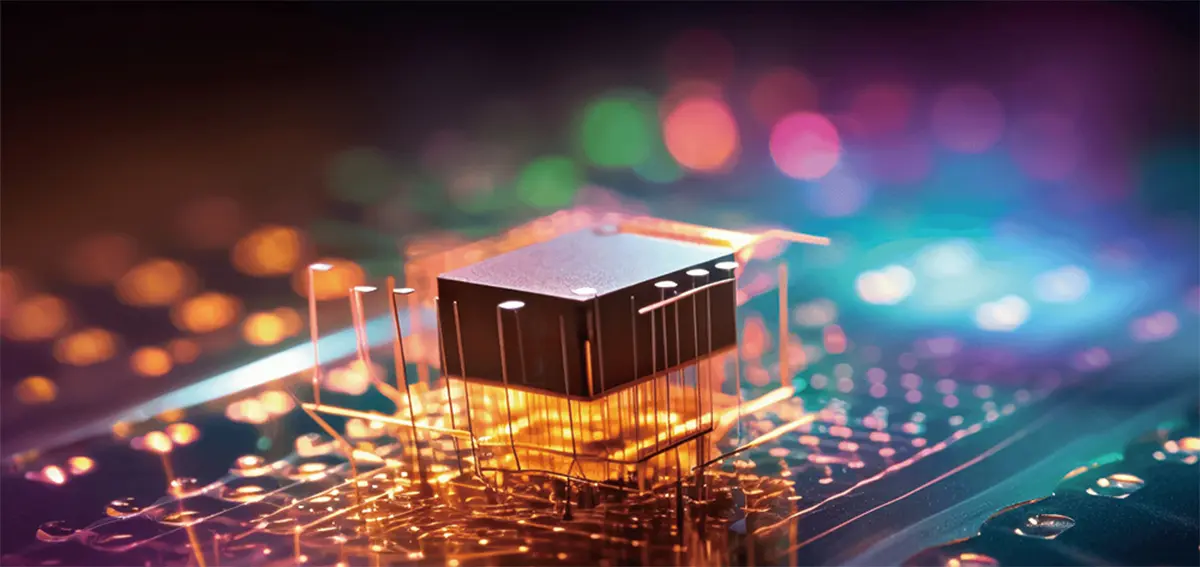

From raw material selection to extrusion, stamping, surface treatment, and thermal interface assembly, we handle all production processes in-house.
Key design parameters include the Z-height profile limit, target thermal dissipation rate (watts), airflow availability (passive natural convection vs. active forced convection), weight constraints, and mechanical attachment options. Thermal interface resistance at the chip contact point must also be minimized using high-performance thermal pads, phase change materials, or thin-line epoxy resins.
Copper provides superior thermal conductivity (~390-400 W/m·K) and is ideal for thin vapor chambers and heat spreaders that quickly distribute concentrated heat fluxes. However, it is heavier and more expensive. Aluminum offers lower thermal conductivity (~200 W/m·K) but is lightweight, cost-effective, and highly formable, making it suitable for secondary convection fins and weight-sensitive applications. Hybrid solutions combining a copper base with aluminum fins often provide the best balance of performance and weight.
We maintain high reliability through strict adherence to ISO 9001 and ISO 14001 standards. Our quality control process includes automated dimensional inspections, raw material spectral testing to verify alloy purity, and thermal resistance testing. For sealed thermal modules like vapor chambers, we perform helium mass spectrometer leak detection and thermal cycle aging tests before shipping.
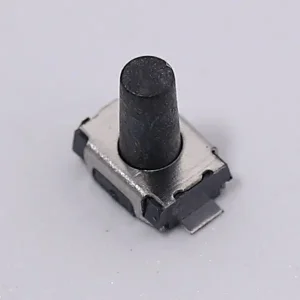
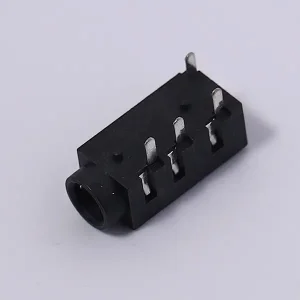
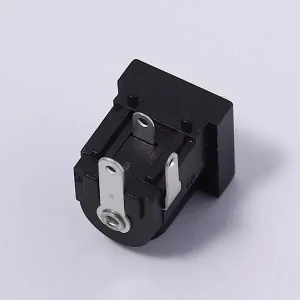
Yes, we are uniquely positioned to design and manufacture integrated systems. Our product portfolio includes RF terminals, network jacks, DC power sockets, tactile switches, and radiators. This capability allows us to supply combined mechanical, electrical, and thermal assemblies, simplifying the sourcing process for global buyers.
Initial CAD modeling, thermal simulation, and prototype samples are typically completed within 7 to 10 working days. Once the prototype is approved, production tooling and final manufacturing require approximately 20 to 30 days, depending on geometry complexity and order volume.
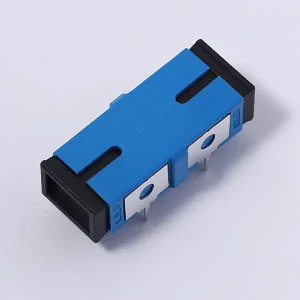
 Stpete Electronics