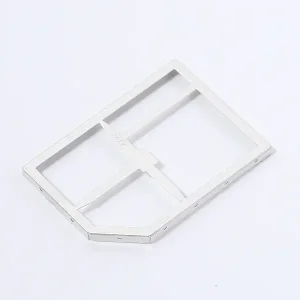
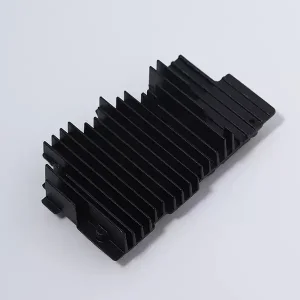
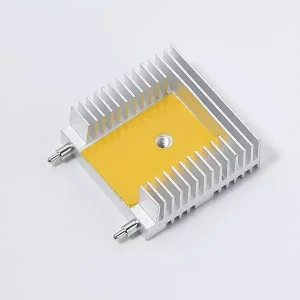
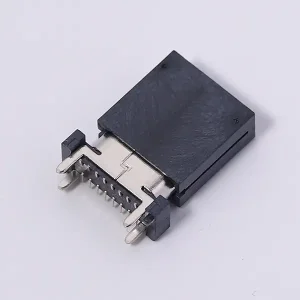
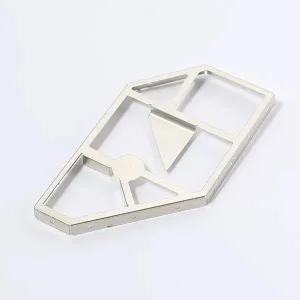
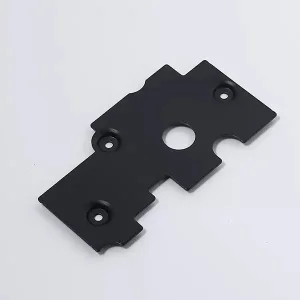
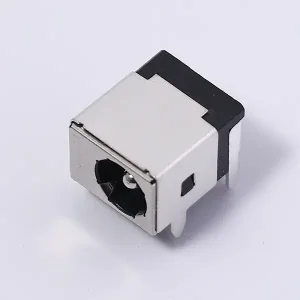
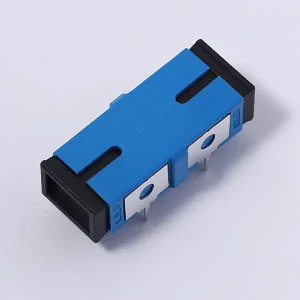
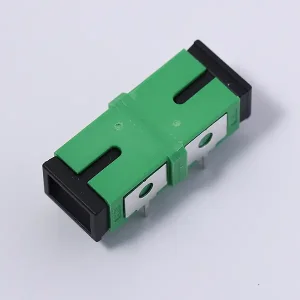
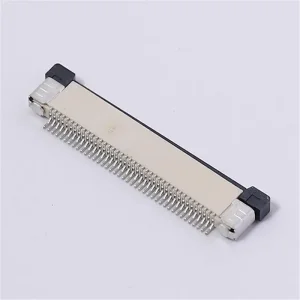
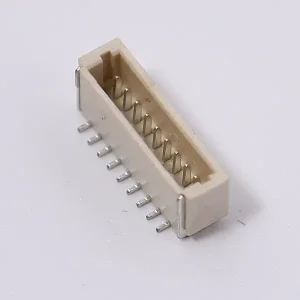
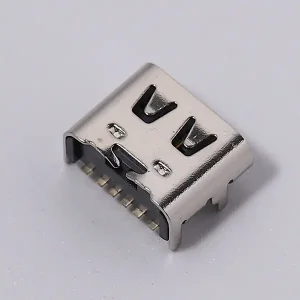
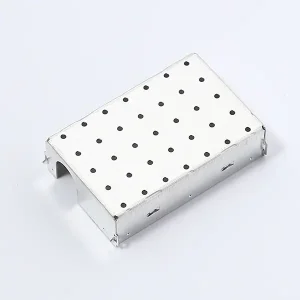
In high-speed optoelectronic networks, the precision optical module case serves as more than a physical container; it acts as the primary shielding barrier, thermodynamic management structure, and electrical grounding interface. As optical networks scale from 100G to 400G and 800G, minor mechanical design defects can lead to significant insertion losses, electromagnetic interference (EMI), and thermomechanical misalignments.
This document outlines the manufacturing processes, international compliance protocols, and supply chain efficiencies that govern the export of high-grade optical housings. Working closely with global network leaders like Huawei and Hisense, Wenzhou Stpete Electronics Technology Co., Ltd. continues to set benchmarks in structural integrity, sub-micron tolerances, and reliable signal interfaces.

Established in 2005, Wenzhou Stpete Electronics Technology CO., LTD is a verified high-tech enterprise specialized in the R&D, production, and worldwide distribution of sophisticated electronic connectors, RF terminals, network jacks, and optical module casing components. We maintain strict adherence to ISO systems, ensuring that our technical output addresses the rigorous tolerances demanded by modern telecommunication systems.

To guarantee physical robustness and signal clarity, Stpete Electronics employs a multi-tiered inspection protocol. We integrate automated measurement tools with coordinate measuring machines (CMM) to test raw material consistency and structural integrity.
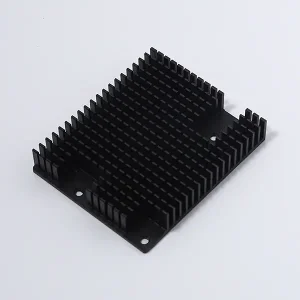
Our manufacturing facilities are equipped to process high-frequency radio-frequency terminals, PCB network jacks, DC power outlets, USB sockets, AV pin jack boards, and thermal radiators. By implementing multiple in-line control checks at each phase of the casting, stamping, and machining steps, we achieve near-zero defect rates before parts leave the factory floor.
Our operations conform to internationally recognized certifications: ISO 9001 (Quality Management), ISO 14001 (Environmental Management), and ISO 45001 / OHSAS 18001 (Occupational Health & Safety).
Over 30 dedicated R&D technicians and an annual R&D investment exceeding 15 million RMB. We hold 21 core utility and design patents, allowing us to rapidly adapt designs to user specifications.
Raw materials are fully characterized before production. From copper alloy stamping to polymer insert molding, every structural stage is certified to ensure thermal stability and electrical performance.
We combine precise metal stamping with high-temperature injection molding. This integration prevents internal structural shifts and ensures stable connection alignment over high duty cycles.
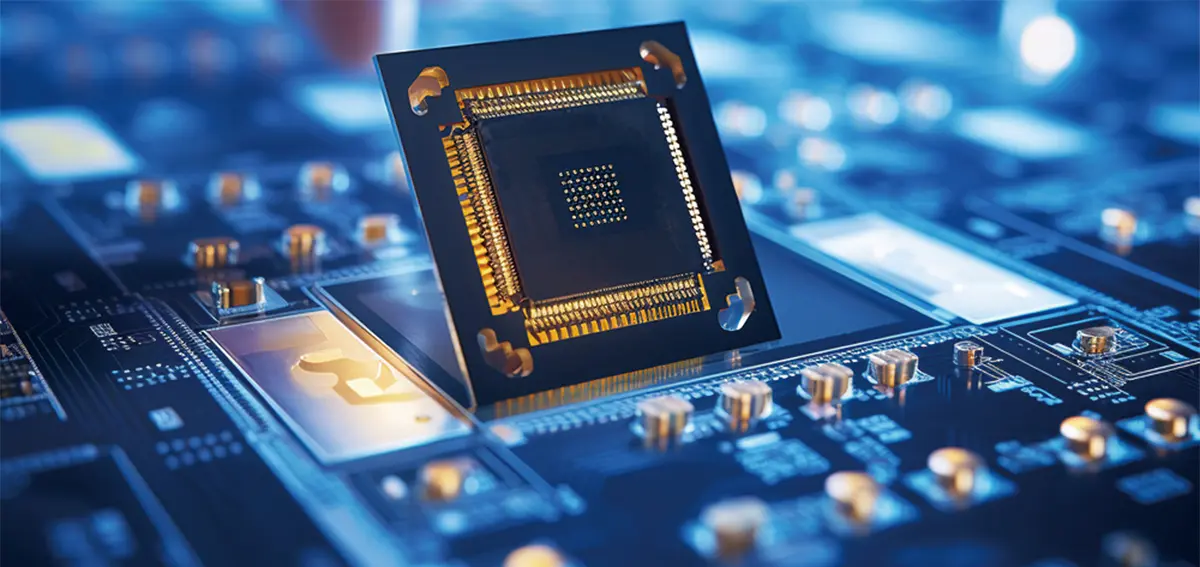
Our technical team works closely with partner engineering groups to prototype and test new metallic shielding alloys and micro-cavity tolerances.

Each optical module shell is checked for micro-deformations. We monitor the stability of critical dimensions down to micron-level tolerance ranges.

High-speed punching lines and robotic component insertion systems guarantee uniform dimensional outcomes across large manufacturing runs.
For enterprise network integrators, system developers, and telecom providers, procurement is shaped by strict technical and regional regulations. In European and global markets, complying with CE Certification standards, the RoHS Directive, and REACH compliance is mandatory. These guidelines verify that all components are free of hazardous materials, operate safely within voltage regulations, and pose no risk to personnel or environmental systems.
Hyperscale infrastructure demands low insertion loss and effective thermals. Our precision housings ensure optical components align accurately, minimizing signal dropouts at higher temperatures.
Outdoor base station components must tolerate temperature swings and high humidity. Our cases use corrosion-resistant coatings to prevent degradation in harsh weather conditions.
Fiber-to-the-Home and Business networks require long-term dimensional stability. We build optical enclosures that resist structural distortion to avoid fiber mismatches in the field.
The shift toward 800G and 1.6T transceivers requires tighter tolerances for electromagnetic shielding and thermal dissipation. Higher data rates produce more localized heat, which can lead to optical drift if the housing cannot diffuse thermal loads.
To address this, Stpete Electronics designs hybrid enclosures incorporating specialized copper alloys and thermal interface coatings. These designs balance heat dissipation with structural shielding to prevent EMI bleed in dense server environments.
At Stpete Electronics, we focus on technical proficiency and strong inter-departmental collaboration. Our engineering, quality control, and international logistics teams work together to ensure customized designs move smoothly from prototyping to shipping.
Regular technical training and internal alignment programs help our teams resolve potential manufacturing issues early. This collaborative approach translates directly into faster lead times, consistent quality, and responsive service for our global clients.

Whether you require standard CE-certified module cases or specialized custom connectors, our engineering team can provide detailed CAD file evaluations and initial pricing estimates within 24 hours.
Submit Design RFP Stpete Electronics