Explore our top-certified connectors, RF modules, switches, and high-frequency headers engineered for industrial, telecommunication, and consumer electronics.
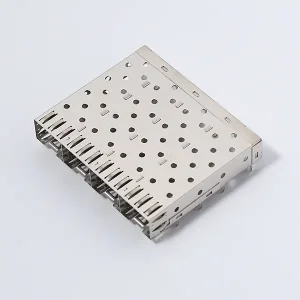
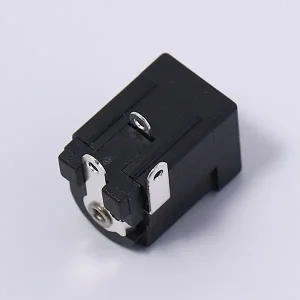
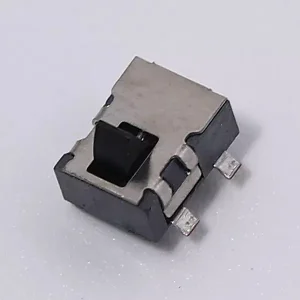
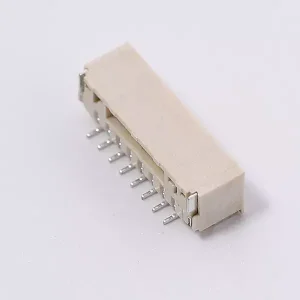
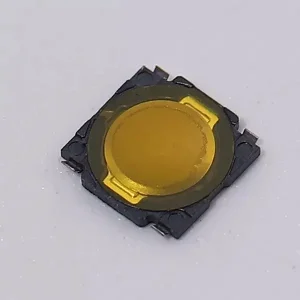
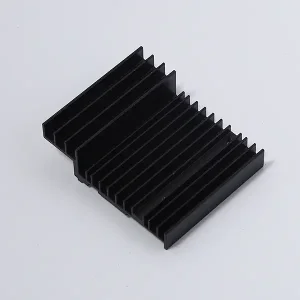
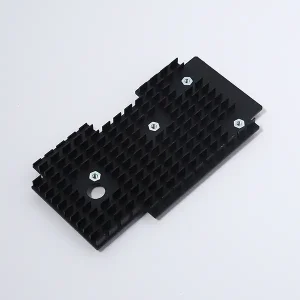
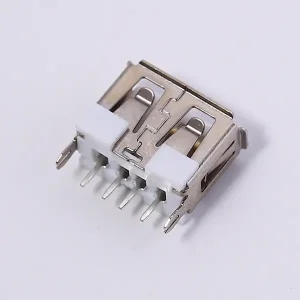

Established in 2005, Wenzhou Stpete Electronics Technology CO., LTD has grown into a premier high-tech enterprise. We specialize in the complete lifecycle—R&D, advanced precision molding, production, and global export—of high-reliability electronic connectors. Over nearly two decades, we have cultivated an exemplary reputation among OEM/ODM clients in Europe, the Americas, and Southeast Asia for high accuracy, robust quality control, and streamlined shipping services.
An engineering analysis of modern high-density board-to-board (BTB) systems handling high-speed signals, miniaturization, and mechanical stress.
As smart devices demand denser architecture, our technical roadmap leads the shift from 0.8mm and 0.5mm pitch configurations down to ultra-fine 0.35mm and 0.3mm pitches. Reducing mating height (down to 0.6mm stack height) while maintaining contact reliability requires high-precision stamped terminals and robust LCP (Liquid Crystal Polymer) plastic housings.
To support high-bandwidth applications (PCIe Gen 5/Gen 6, USB4, 5G RF), modern BTB connectors must handle transmission rates up to 56 Gbps (PAM4) per lane. Our designs utilize advanced crosstalk cancellation geometries, optimized ground layouts, and impedance-matched contacts to ensure minimal insertion loss and return loss.
In high-vibration environments, static connectors suffer from contact fretting and cracking. We are implementing floating structures that tolerate misalignment in the X, Y, and Z directions up to ±0.5mm or more. This mechanism absorbs tolerances during automated assembly line insertions and buffers operating vibration.
Reliability in micro-miniature connectors is heavily dependent on the plating interface and contact spring design. Standard contact setups can fail under thermal cycling due to differences in the Coefficient of Thermal Expansion (CTE) between the connector housing and the PCB. To counter this, Wenzhou Stpete Electronics utilizes phosphor bronze and beryllium copper alloys for contact pins, coupled with selective gold plating (from 1u" up to 30u") over a nickel underplate. This process prevents oxidation, optimizes insertion force, and guarantees up to 100+ mating cycles without degradation in contact resistance (typically kept under 30mΩ).
Tailored connectivity options designed to satisfy stringent performance standards across major global industries.
Our SFP cages, RJ45 ports, and customized BTB connectors form the backbone of high-capacity network hardware. Built to handle thermal loads up to 105°C and optimize signal integrity across massive backplanes, our telecom components support global internet infrastructure with minimal downtime.
Modern vehicles require complex electronic control units (ECUs), radar systems, and cameras. Our automotive-grade board-to-board connectors are built to withstand high temperatures (-40°C to +125°C), shock loads up to 50G, and chemical exposure, securing active safety and control systems.

Smart factories depend on PLC controllers, robotic arms, and sensory grids. These systems require high-current capacity paired with low power loss. Our hybrid board-to-board connectors provide dedicated power rails (up to 10A per pin) alongside high-density signal pins, saving board real estate while delivering peak performance.
In mobile phone, smart wearable, and smart home appliances, spatial limits are tight. We supply ultra-small, low-profile FPC/BTB systems that deliver robust electrical contact while maintaining a small footprint. This allows consumer brands to scale up their functionality without increasing device sizes.
Discover how Wenzhou Stpete Electronics harnesses automated injection molding, high-speed stamping, and lean production management to build robust supply chains.
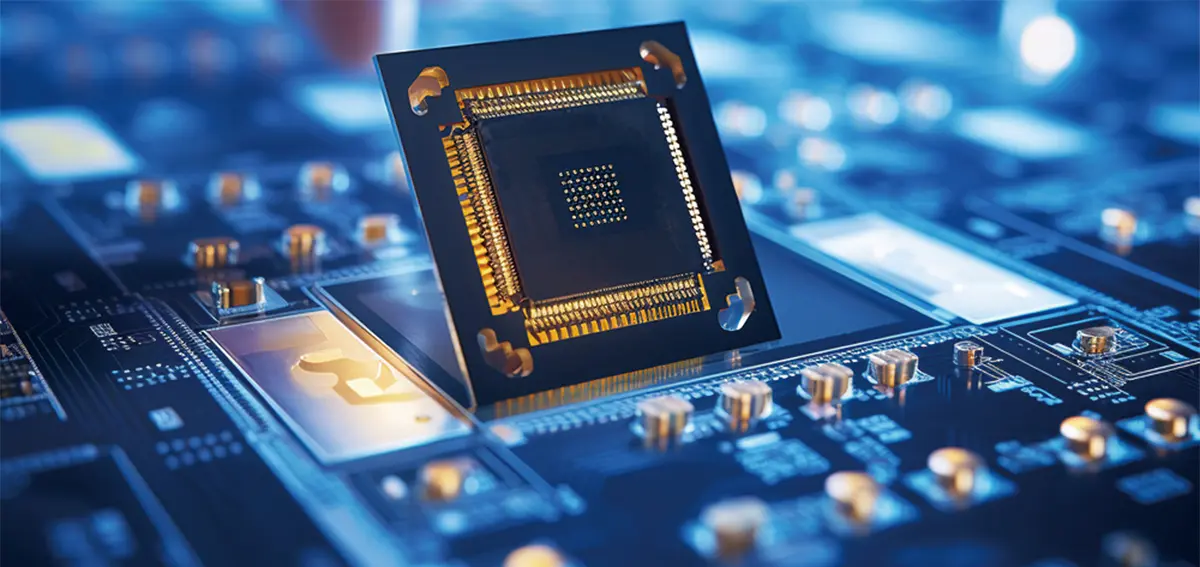
Our dedicated R&D hub employs 30+ specialized technical engineers. With an annual R&D investment exceeding 15 million CNY and 21+ active research and development patents, we consistently deliver customized solutions that match the engineering criteria of major brands like Huawei and Hisense.
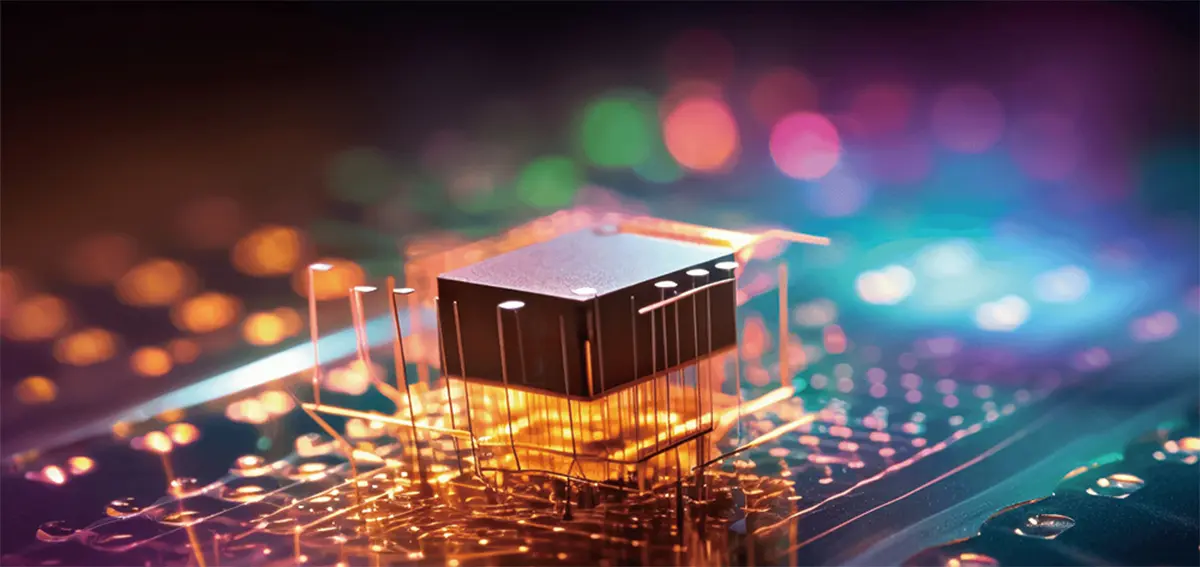
For St. Peter, product reliability is built into the workflow. From the initial selection of chemical grade raw materials to online automated optical inspection (AOI), every phase is documented under our ISO 9001 and ISO 14001 structures to prevent defects and guarantee zero-tolerance failures.

We deploy automated injection molding, precision stamping, and auto-assembly technologies. Our facilities feature advanced CNC machinery and punch presses that deliver tight tolerances. This helps shorten production cycles and provides cost efficiencies for global wholesale orders.
Wenzhou Stpete Electronics combines localized material sourcing with in-house molding and tooling capabilities. This allows us to cut tool development cycles down to 3–4 weeks, compared to the 6–8 weeks standard among Western suppliers. Operating out of Wenzhou's industrial manufacturing cluster, we access an integrated raw material and components network. This structural advantage buffers our international clients against volatile raw material prices and logistical delays, ensuring a reliable supply of parts year-round.
How we support design engineers and procurement teams across North America, the EU, and APAC with compliant, certified electronic components.
All manufacturing stages are certified under ISO 9001:2015 for Quality Management, ISO 14001:2015 for Environmental Management, and ISO 45001 for Occupational Health & Safety. This alignment simplifies supplier auditing for international OEMs.
We guarantee full compliance with RoHS, REACH, and WEEE directives. The plastics and metal alloys processed in our factories are halogen-free and heavy-metal-free, helping client systems clear import requirements in the European Union and Americas.
We run a 24-hour engineering query desk to supply international customers with 2D drawings, 3D CAD/STEP files, and SI (Signal Integrity) simulation models. Our team assists at every stage of the design cycle, from early prototyping through pilot runs and mass production.
For international procurement managers, sourcing electronic connectors goes beyond component pricing—it requires minimizing the Total Cost of Ownership (TCO). Lead time variability, customs delays, and quality-related reworks can impact a project's timeline. At Wenzhou Stpete Electronics, we mitigate these risks by using a structured supply framework:
In addition to technological research, Wenzhou Stpete Electronics prioritizes organizational health. Recently, our company organized an outdoor team-building activity to build cohesion and foster teamwork. The event took place in a natural setting, providing a backdrop for enhancing team spirit and collaboration.
This team-building program was designed to promote unity among employees. Through challenging, interactive exercises, our participants worked together, communicated under pressure, and problem-solved as a unit. It offered our engineering, quality control, and customer service teams a valuable opportunity to connect and collaborate outside the office environment.
One of the highlights of the day was a series of team challenges requiring high levels of trust, coordination, and rapid communication. These activities encouraged our team members to step outside their comfort zones, build trust in colleagues, and recognize the value of working toward shared goals. The program has helped improve communication between our customer service and production teams, directly benefiting client workflows.
Answers to common engineering and sourcing questions regarding board-to-board connector specifications, logistics, and quality assurance.
A: We use high-performance phosphor bronze and beryllium copper alloys for the contacts because of their electrical conductivity and fatigue resistance. For the insulator housings, we use high-temperature Liquid Crystal Polymer (LCP) or Polyphenylene Sulfide (PPS). These plastics support lead-free reflow soldering profiles (peak temperatures of 260°C) without dimensional distortion.
A: Our R&D team uses advanced electromagnetic field simulation tools to model signal interfaces. We design contacts with optimized geometries, short electrical path lengths, and dedicated ground pin patterns to shield against electromagnetic interference (EMI) and minimize crosstalk in high-speed, high-density layouts.
A: Yes. We offer standard stack heights ranging from 0.6mm to over 20mm, alongside pin configurations from 10 to 120 positions. Our in-house tooling division can also develop custom stamping dies and injection molds to meet specialized mechanical design criteria.
A: We follow a multi-stage Quality Assurance (QA) workflow: first, incoming inspection (IQC) of raw materials; second, in-process quality control (IPQC) checking stamping and molding dimensions via automated optics; third, final quality control (FQC) testing contact resistance, insertion/withdrawal force, and solderability. Our products also undergo regular environmental stress testing, including thermal shock and salt spray exposure.
A: Yes, all products are fully compliant with RoHS and REACH standards. We use lead-free, halogen-free materials, and can provide full Material Declaration Data Sheets (MDDS) to support environmental audits.
A: Standard catalog items are typically shipped within 2 to 3 weeks. Custom tooling designs generally require 4 to 6 weeks for prototyping, followed by 3 weeks for initial mass production, depending on the complexity of the part.
Our specialized connectors and modular solutions are manufactured under tight QC tolerances to serve global technology brands.
 Stpete Electronics