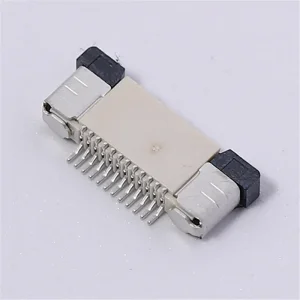
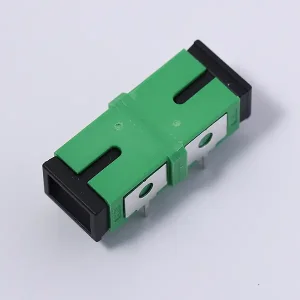
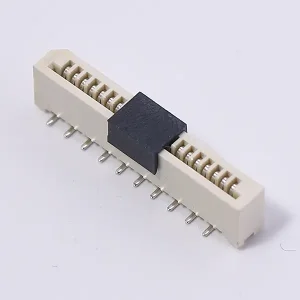
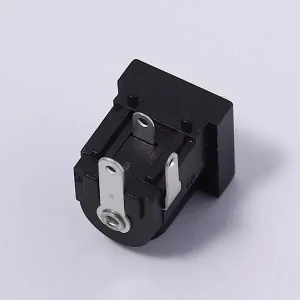
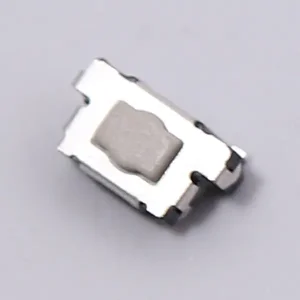
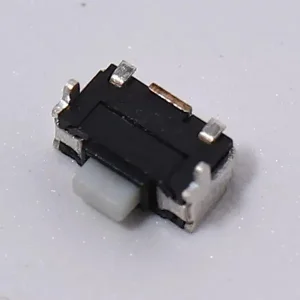
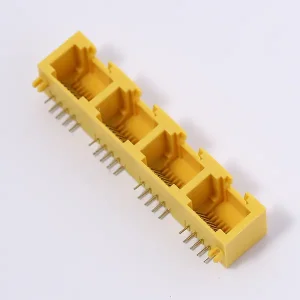
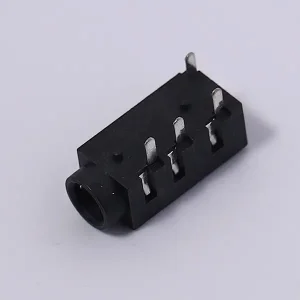
Explore our elite selection of high-accuracy electronic connectors, tactile switches, and high-conductivity thermal solutions manufactured to strict standards.
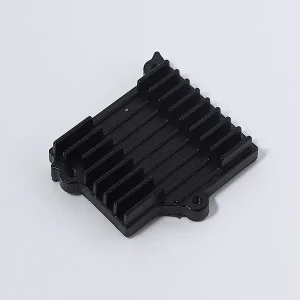
In the modern era of high-density packaging and microelectronics, high thermal dissipation efficiency is no longer optional—it is critical. Anodized die-casting heat sinks sit at the intersection of structural complexity and advanced thermal engineering. While extrusion processes limit design variations to two-dimensional profiles, die-casting allows for multi-directional geometric freedom, including variable fin placement, structural brackets, mounting bosses, and optimized flow paths.
Anodization introduces an electrochemically generated aluminum oxide (Al₂O₃) surface layer. This conversion layer serves a dual purpose: first, it elevates surface emissivity from a base metal level of approximately 0.05 to over 0.85, enhancing radiative heat transfer; second, it provides exceptional corrosion resistance and a dielectric breakdown strength capable of insulating nearby circuit configurations. As a leading manufacturer, Wenzhou Stpete Electronics Technology leverages deep metallurgy, modern tooling dynamics, and precision surface chemistry to construct heat sinks that meet the highest environmental and performance requirements.

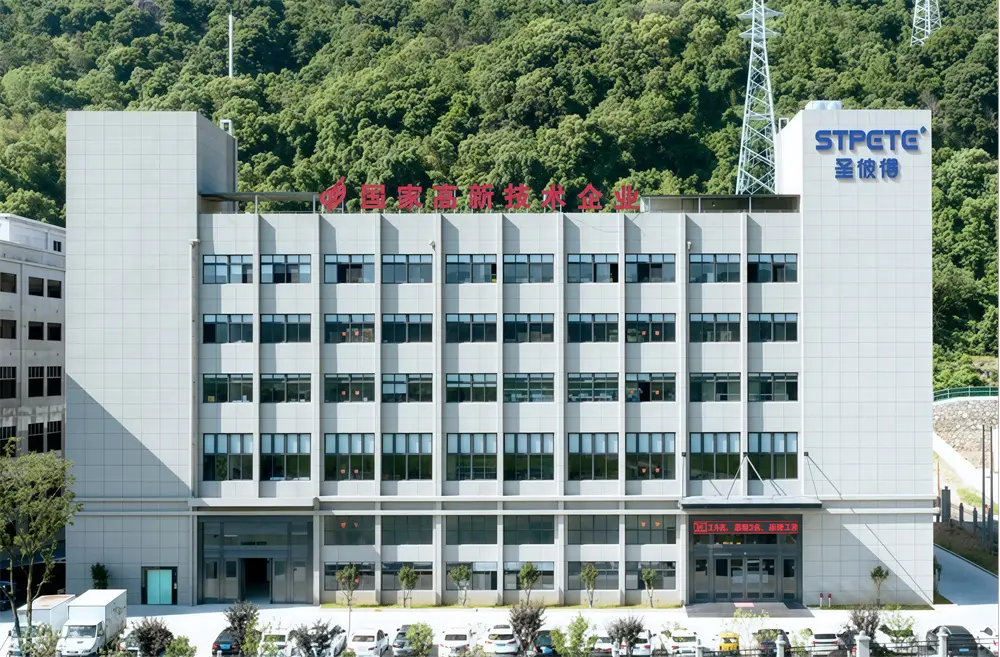
Established in 2005, Wenzhou Stpete Electronics Technology Co., Ltd. has transitioned from a specialized component vendor to a global high-tech enterprise. We are dedicated to the end-to-end design, development, high-volume production, and international sales of electronic connectors and thermal management systems. Over two decades of rigorous process control and engineering innovation have built us a solid reputation for quality across key markets in Europe, the Americas, and the Asia-Pacific.
Equipped with high-tonnage cold chamber die-casting machines, multi-axis CNC machining centers, and automated surface treatment lines, we manufacture custom radiator blocks alongside high-speed connectors. Our integrated manufacturing layout enables us to streamline lead times, minimize material handling costs, and enforce strict Quality Assurance checks at every stage of the production cycle.
Our commitment to technological innovation is supported by significant annual capital reinvestment and rigorous international testing standards.
With an annual R&D investment exceeding 15 million Yuan, our engineering team maintains over 21 national utility and design patents. We conduct thermodynamic modeling, flow simulation, and mechanical stress analysis to optimize design before steel is cut for molds.
Our quality assurance lab is equipped with coordinate measuring machines (CMM), optical spectrum analyzers for alloy verification, salt spray chambers for corrosion-resistance verification, and thermal profiling suites to test real-world heat rejection capacity.
Stpete operations are certified under ISO 9001 (Quality Management), ISO 14001 (Environmental Protection), and ISO 45001 / OHSAS 18001 (Occupational Health and Safety). We enforce standard operating procedures across raw materials, casting, machining, anodizing, and final assembly.

Procuring anodized die-cast heat sinks from our Wenzhou facility offers distinct supply chain advantages that help global OEMs optimize both lead times and total cost of ownership. The primary advantage is the presence of local industrial clusters. In Zhejiang province, raw aluminum alloy supply, custom mold making, tooling fabrication, CNC secondary operations, and chemical surface finishing plants are located in close geographical proximity. This allows for rapid prototyping and reduces transport overheads.
Additionally, we maintain a highly adaptive production model. While Western manufacturers face long setup delays for custom batches, Stpete Electronics utilizes quick-change tooling technologies and flexible work cells to accommodate both high-volume runs and variable low-volume configurations. This operational efficiency translates to lower tooling costs and shorter development times, helping customers get their products to market faster.
By integrating automated casting lines with advanced post-processing operations, we ensure consistent production rates. Our logistics team handles global distribution pathways, shipping direct via nearby Ningbo and Shanghai ports to ensure seamless sea, air, and multimodal transport options.

Supporting international supply chains with engineering assistance, regulatory compliance, and customized delivery agreements.
To bridge the gap between design and production, our technical support desk collaborates with your development teams. We accept 3D models in STP/IGS formats and perform Design for Manufacturability (DFM) reviews to optimize draft angles, wall thicknesses, and tolerances for die-casting.
Every batch of anodized die-cast radiators we produce meets RoHS, REACH, and WEEE directives. The chemicals used in our surface finishing baths do not contain restricted substances, enabling trouble-free customs clearance and compliance for your end products in North America and Europe.
To mitigate international transit uncertainties, we offer flexible supply options including Vendor Managed Inventory (VMI), safety stocking programs, and door-to-door delivery (DDP/DDU terms). We work closely with major logistics providers to secure predictable transit windows.
An authoritative guide to specifying alloys and surface finishes for high-performance heat sinks.
Selecting the correct aluminum alloy requires balancing castability, mechanical strength, and thermal conductivity. While pure aluminum provides excellent thermal conductivity, it lacks the fluidity required to fill complex, thin-walled die-cast molds. Therefore, we utilize premium silicon-aluminum and copper-aluminum alloys:
| Alloy Specification | Thermal Conductivity | Silicon Content (%) | Key Structural & Castability Benefits |
|---|---|---|---|
| ADC12 (Al-Si-Cu) | ~96 W/m-K | 9.6 - 12.0% | Excellent castability, low shrinkage rates, high dimensional stability for complex geometries. |
| A380 (Al-Si-Cu) | ~96 W/m-K | 7.5 - 9.5% | Superior mechanical properties at elevated temperatures, commonly used in high-stress applications. |
| AlSi12 (Fe) | ~120 W/m-K | 11.0 - 13.5% | Maximum fluidity for thin-fin layouts (down to 1mm thickness), reducing total component weight. |
Following casting, the component undergoes CNC precision machining to clean mounting surfaces and create threaded holes. The parts are then processed on our automated anodizing line. Anodizing creates a controlled oxide layer that hardens the surface and improves thermal performance.
In typical convection systems, heat transfer occurs through conduction, convection, and radiation. While radiation is often neglected at low temperatures, it becomes significant at higher operating temperatures. The anodized layer acts as a blackbody emitter, increasing the surface emissivity factor ($\epsilon$) to improve radiative heat dissipation under passive cooling conditions.
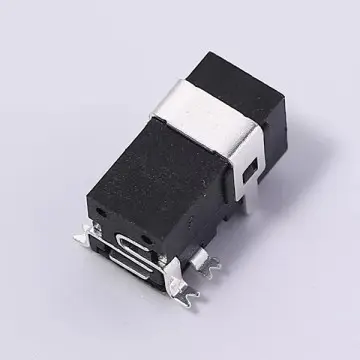
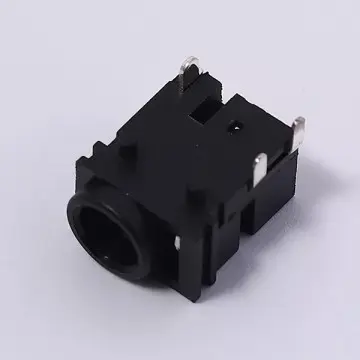
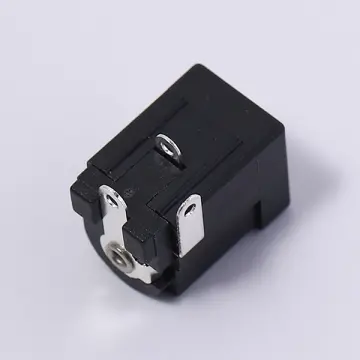
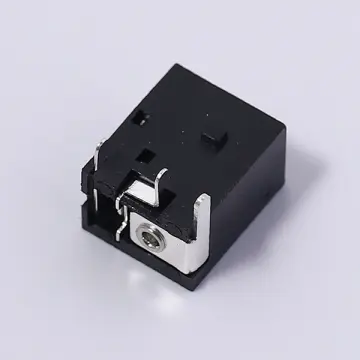
We maintain advanced manufacturing lines for a wide range of connectors, network interfaces, tactile controls, and custom enclosures.
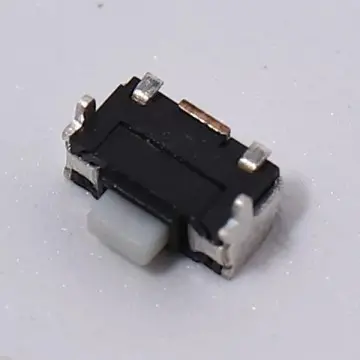
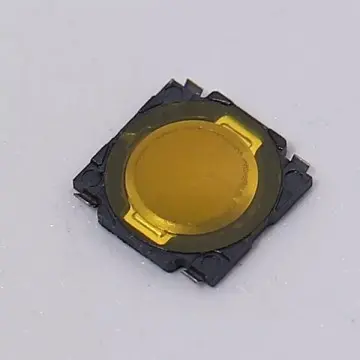
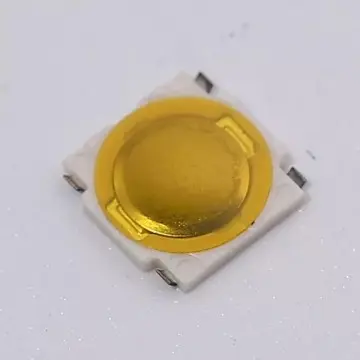
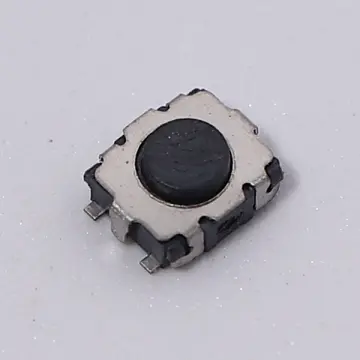
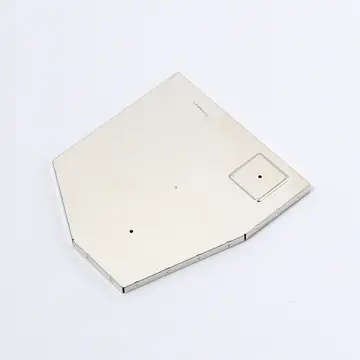
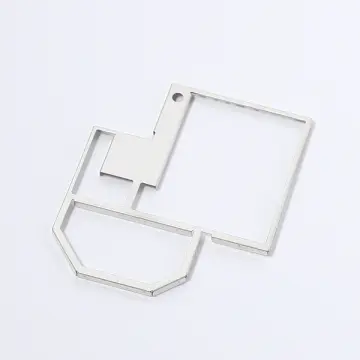
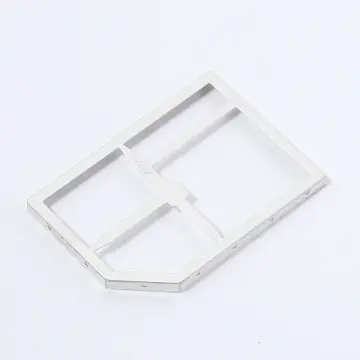
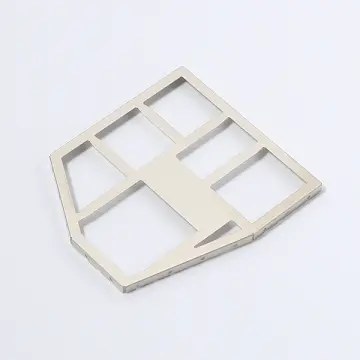
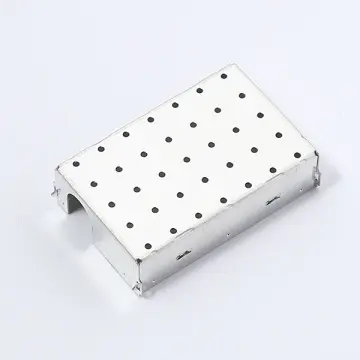
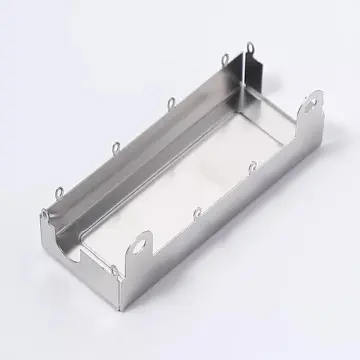
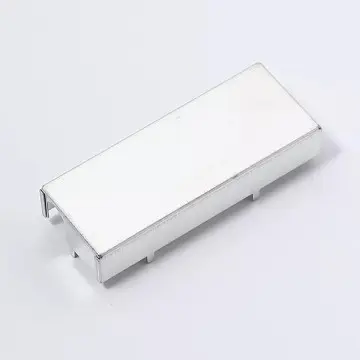
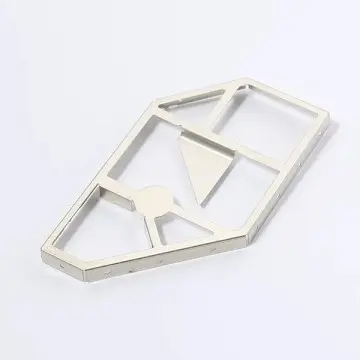
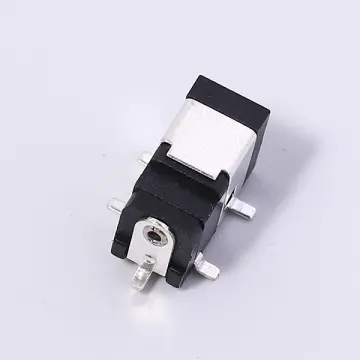
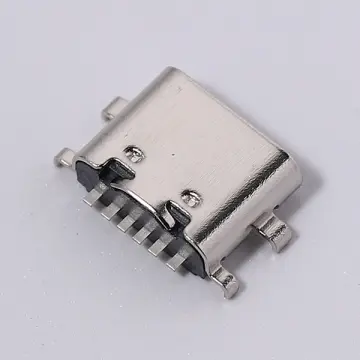
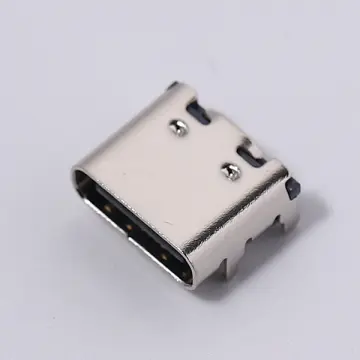
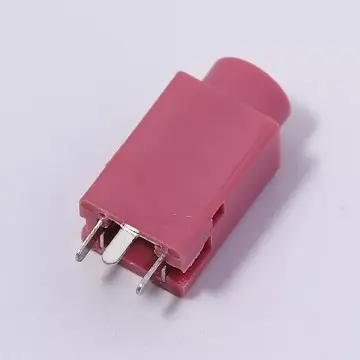
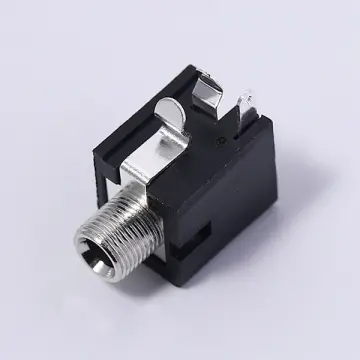
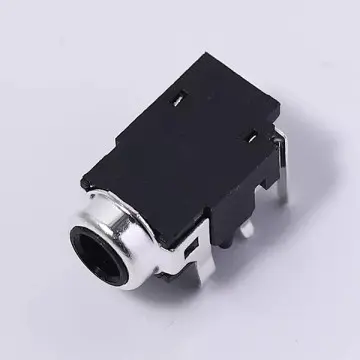
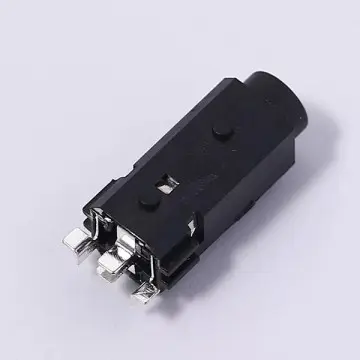
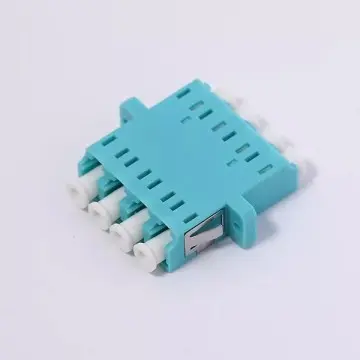
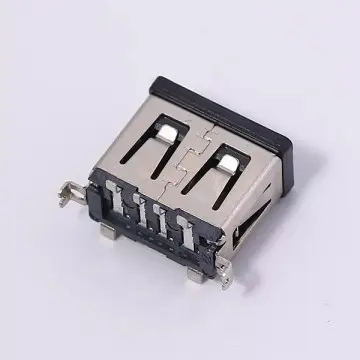
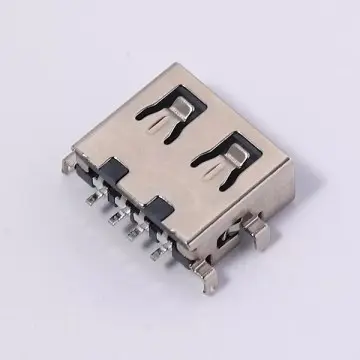
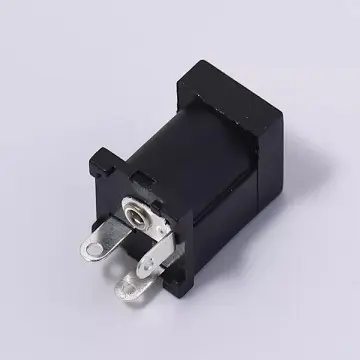
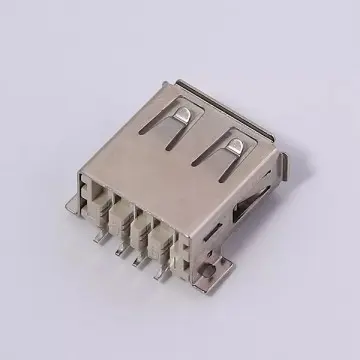
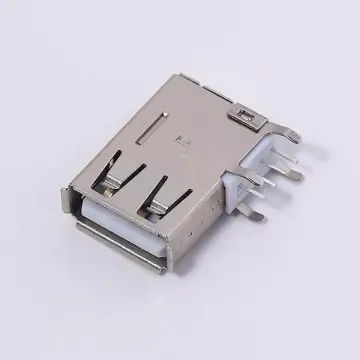
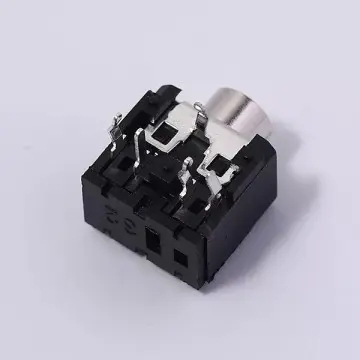
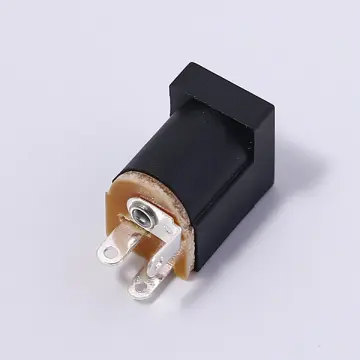
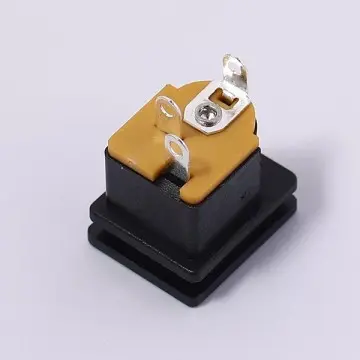
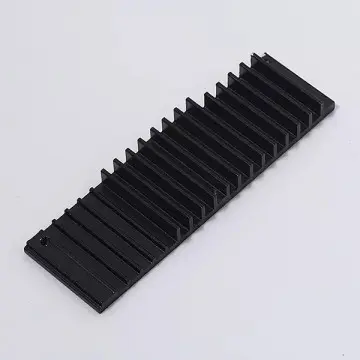
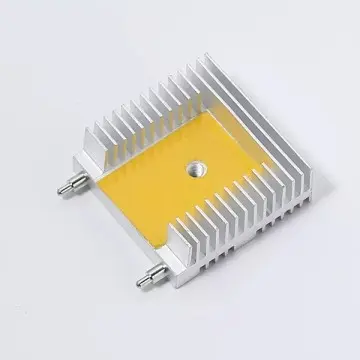
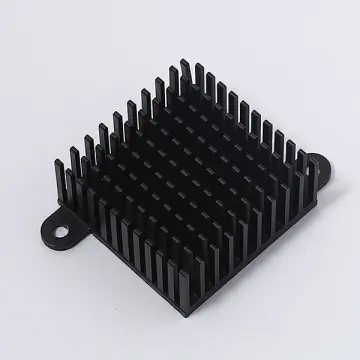
Anodized die-cast radiators are optimized for challenging environments requiring weight reduction and high performance.
Next-generation telecom networks generate localized heat loads within outdoor enclosures. The outdoor units must resist corrosion, humidity, and temperature swings. Our anodized die-cast radiators are engineered for high corrosion protection, protecting critical RF circuitry.
Electric vehicles utilize high-current power management systems that require robust thermal management. Using high-fluidity alloys like AlSi12, we cast radiators with complex, integrated fluid channels and custom mounts, reducing both assembly time and weight.
Motors, variable frequency drives, and PLC controllers generate significant thermal loads. Our custom die-cast housings protect sensitive control logic from environmental dust and humidity while dissipating heat via integrated convective fins.
An organization's capacity to deliver technical consistency is driven by its workforce. Wenzhou Stpete Electronics prioritizes ongoing training, safety, and team cohesion. Regular technical seminars and internal workshops keep our production teams updated on quality standards and casting practices.
In addition to manufacturing operations, we encourage cross-departmental collaboration through regular team-building activities. Our outdoor programs are designed to strengthen communication and build trust among team members. By promoting shared problem-solving outside the factory floor, we build a supportive work culture that translates to high attention to detail on the assembly lines.
By supporting our employees with a healthy and communicative environment, we reduce workplace stress, maintain low staff turnover, and build a dedicated team focused on precision manufacturing.
Answers to common engineering questions regarding the design, coating, and procurement of die-cast thermal radiators.
Browse our selection of specialized interconnect interfaces, tact switches, and network connectors designed for commercial applications.
 Stpete Electronics